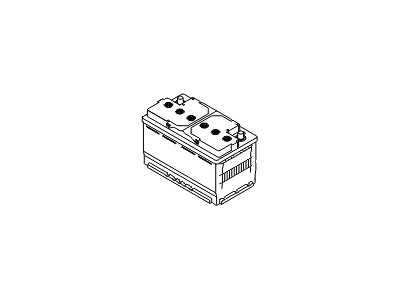
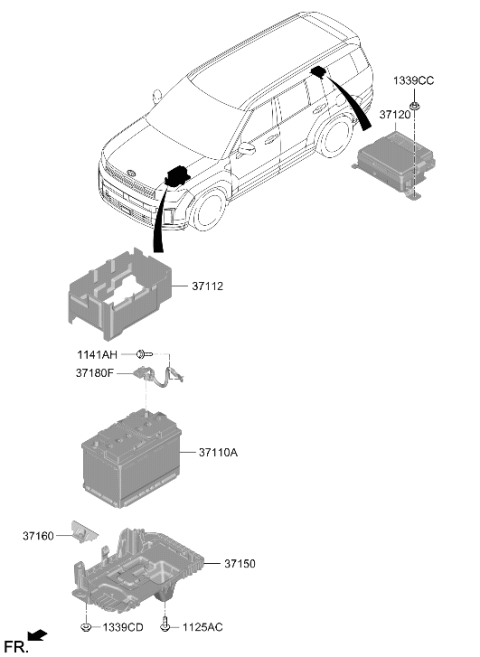
To ensure that your vehicle battery starts quickly and reliably, a routine preventive maintenance program is essential. Before doing any repairs it's necessary to have the right equipment for your safety when working around the battery such as: face shield or safety goggles, baking soda, petroleum jelly, battery post/cable cleaner, treated felt washers, puller and rubber gloves. Safety measures should be taken while servicing the battery like turning off the engine and all accessories and disconnecting the cable from its negative terminal. Always remember that hydrogen gas emitted by the battery is flammable and explosive so never cause sparks or light matches near it moreover charge battery in a well-ventilated location. Also note that there is poisonous corrosive sulfuric acid in electrolyte; thus always remember to put on protective safety glasses when working near a battery. Look for any damage or loose connections outside of the Battery and clean up any corrosion using baking soda solution with water also you can use a terminal cleaner to scrub with a battery brush. Make sure that the tray under the battery is in good condition and that hold-down clamp bolts are tightened properly. Any corroded metal parts should be coated with a zinc-based primer followed by painting them. While charging it is better to remove batteries from vehicles so as not to spoil car paint due to escaping gases. For recharging discharged batteries or maintaining their charges slow-rate charging using one-or two-ampere charger is recommended .This will help avoid high amperage chargers or quick boost charges which may strain or damage your batteries.The time required for an average charge should be determined by instructions accompanying charger used .When being charged at rates exceeding two amperes check regularly for heating up of the batter y After last few hours of each charging cycle if cell caps are removable measure specific gravity hourly through hydrometer Sealed top batteries either contain built-in hydrometers or have to be tested by volt meters where 12-point-6 volts or higher represent a fully charged accumulator.