×
- Hello
- Login or Register
- Quick Links
- Live Chat
- Track Order
- Parts Availability
- RMA
- Help Center
- Contact Us
- Shop for
- Hyundai Parts
- Hyundai Accessories


My Garage
My Account
Cart
Genuine 2017 Hyundai Elantra Cylinder Head
Head- Select Vehicle by Model
- Select Vehicle by VIN
Select Vehicle by Model
orMake
Model
Year
Select Vehicle by VIN
For the most accurate results, select vehicle by your VIN (Vehicle Identification Number).
8 Cylinder Heads found
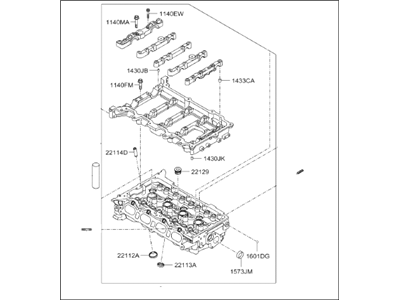

2017 Hyundai Elantra Cylinder Head Assembly
Part Number: 22100-2E085$680.93 MSRP: $973.65You Save: $292.72 (31%)Ships in 1-3 Business DaysProduct Specifications- Other Name: Head Assembly-Cylinder
- Replaced by: 70ZP5-2EX00
- Part Code: 22100
- Item Weight: 36.70 Pounds
- Item Dimensions: 28.8 x 16.3 x 12.6 inches
- Condition: New
- Fitment Type: Direct Replacement
- SKU: 22100-2E085
- Warranty: This genuine part is guaranteed by Hyundai's factory warranty.
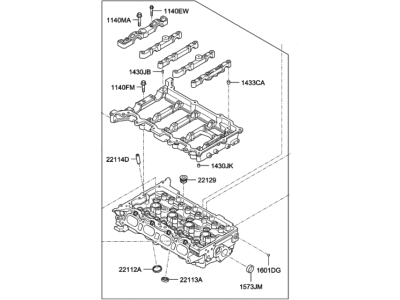

2017 Hyundai Elantra Cylinder Head Assembly
Part Number: 5D095-2EU00$875.89 MSRP: $1252.42You Save: $376.53 (31%)Ships in 1-3 Business DaysProduct Specifications- Other Name: Head Assembly-Cylinder; Cylinder Head
- Replaces: 22100-2E080
- Part Code: 22110B
- Item Weight: 37.40 Pounds
- Condition: New
- Fitment Type: Direct Replacement
- SKU: 5D095-2EU00
- Warranty: This genuine part is guaranteed by Hyundai's factory warranty.
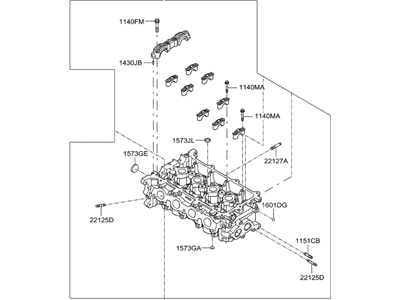
2017 Hyundai Elantra Cylinder Head Assembly
Part Number: 70AU5-03F00$855.22 MSRP: $1222.85You Save: $367.63 (31%)Ships in 1-3 Business DaysProduct Specifications- Other Name: Head Assembly-Cylinder; Cylinder Head
- Manufacturer Note: WIA
- Replaces: 22100-03800
- Part Code: 22100
- Item Weight: 39.00 Pounds
- Item Dimensions: 28.6 x 16.4 x 12.6 inches
- Condition: New
- Fitment Type: Direct Replacement
- SKU: 70AU5-03F00
- Warranty: This genuine part is guaranteed by Hyundai's factory warranty.
2017 Hyundai Elantra Cylinder Head Assembly
Part Number: 22100-03800$855.22 MSRP: $1222.85You Save: $367.63 (31%)Ships in 1-3 Business DaysProduct Specifications- Other Name: Head Assembly-Cylinder
- Manufacturer Note: WIA
- Replaced by: 70AU5-03F00
- Part Code: 22100
- Item Weight: 43.10 Pounds
- Item Dimensions: 29.4 x 16.3 x 13.0 inches
- Condition: New
- Fitment Type: Direct Replacement
- SKU: 22100-03800
- Warranty: This genuine part is guaranteed by Hyundai's factory warranty.
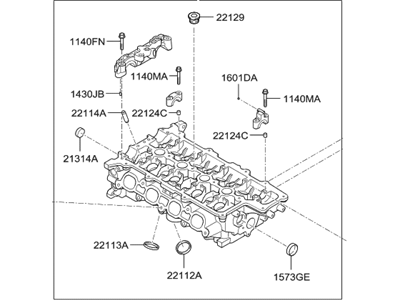

2017 Hyundai Elantra Cylinder Head Assembly
Part Number: 22100-2B705$998.11 MSRP: $1427.18You Save: $429.07 (31%)Ships in 1-3 Business DaysProduct Specifications- Other Name: Head Assembly-Cylinder
- Replaced by: 22100-2B705-S
- Part Code: 22100
- Item Weight: 50.20 Pounds
- Item Dimensions: 29.1 x 15.7 x 12.8 inches
- Condition: New
- Fitment Type: Direct Replacement
- SKU: 22100-2B705
- Warranty: This genuine part is guaranteed by Hyundai's factory warranty.

2017 Hyundai Elantra Cylinder Head Assembly
Part Number: 22100-2E080$875.89 MSRP: $1252.42You Save: $376.53 (31%)Ships in 1-3 Business DaysProduct Specifications- Other Name: Head Assembly-Cylinder
- Replaced by: 5D095-2EU00
- Part Code: 22100
- Item Weight: 35.00 Pounds
- Item Dimensions: 28.3 x 16.1 x 12.8 inches
- Condition: New
- Fitment Type: Direct Replacement
- SKU: 22100-2E080
- Warranty: This genuine part is guaranteed by Hyundai's factory warranty.
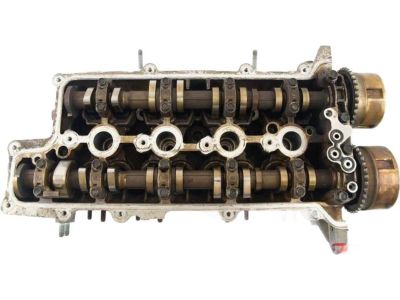
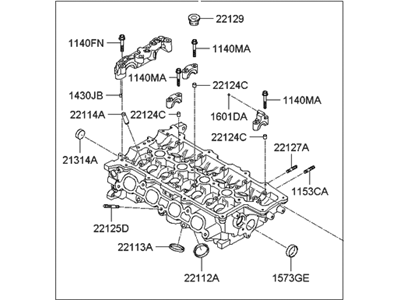 Product Specifications
- Other Name: Head Assembly-Cylinder
- Part Code: 22100
- Item Weight: 35.70 Pounds
- Condition: New
- Fitment Type: Direct Replacement
- SKU: 22100-2B701
- Warranty: This genuine part is guaranteed by Hyundai's factory warranty.
- Product Specifications
- Other Name: Head Assembly-Cylinder; Cylinder Head
- Part Code: 22100
- Item Weight: 34.60 Pounds
- Item Dimensions: 28.8 x 16.4 x 13.1 inches
- Condition: New
- Fitment Type: Direct Replacement
- SKU: 22100-2B702
- Warranty: This genuine part is guaranteed by Hyundai's factory warranty.
2017 Hyundai Elantra Cylinder Head
At HyundaiPartsDeal.com, we boast a vast inventory of genuine 2017 Hyundai Elantra Cylinder Head at unbeatable prices online. Each OEM 2017 Hyundai Elantra Cylinder Head is backed by the manufacturer's warranty, giving you peace of mind with your purchase. Additionally, our services include a hassle-free return policy and expedited delivery. So, what's holding you back? Start your shopping journey with us today!
2017 Hyundai Elantra Cylinder Head Parts Questions & Experts Answers
- Q:How to thorough cleaning and inspect the cylinder head and valve train components during an engine overhaul on 2017 Hyundai Elantra?Posted by Rona B.A:It is recommended that in case of any signs of corrosion and worn out they should naked viewed to determine the extent of service that the valve need in the course of overhauling of an engine. Remove every vestige of the old gasket material and sealant off the head gasket, intake manifold, and exhaust manifold surfaces without cutting the cylinder head. Disconnect from the radiator and scrub out all the accumulated scale from the coolant passages and pass a wire brush through various holes to remove deposits. Insert a tap of suitable size into each tapped hole to wash out the corrosion and the thread sealant, and blowing the hole with compressed air after mounting eye protection. Thoroughly scrub the exhaust manifold and intake manifold stud threads with the wire brush, and then use solvent to clean the cylinder head; blow dry the cylinder head with compressed air to hasten the drying process. Cleaning and decarbonizing chemicals may be of help in cleaning up cylinder heads and valve train parts but their use should be done so carefully. All valve springs, keepers, and retainers must be cleaned to the extent that no dirt present can take a blue loctite color if applied thereon; the cleaning must be done in such a way that; no two like-distinct part should be accompanied so that they cannot mix, and make sure that all steam seal are dry. Remove large deposits from the valves and clean the valve heads and stems using a motorized wire brush; make sure that valves are neat. Check the head for cracks, leakages and any other signs of damage consult the automotive machine shop if needs be. Unsigned head gasket mating surface should be checked with straightedge and a feeler gauge and if the warpage is greater than the permissible limit, it can be machined. Check the valve seats for pitting, cracking or burning and check the valve stem to guide clearance with the help of a dial gauge. Over the face of each valve, carefully check for signs of wear, deformation, and cracks and, measure the diameter of the stem at least three points. For each valve spring; inspect, look around for wear and pits, check and compare its free length and replace any that are short. Go round each spring every spring and ensure that it is square by placing a level board on top of it; the distorted or the sagged springs should be replaced. Check the amount of wear and cracks on the spring retainers, spring seats, and keepers and replace if they seem weak. Last of all is the examination of the camshaft bearing journals on the cylinder head to have checking of the valves since whether or not a cylinder head can be saved is determined by the condition of the camshaft bearing journals; if these are gouged or scored, the cylinder head will have to be replaced in any case, no matter the state of the valves and other related parts that may be sent to a machine shop for servicing. If the visual inspection shows that the components of the valve are poor and worn out beyond the stated limit, then re-installing them in the cylinder head is necessary.Answered by Hyundai Parts Specialist Kevin / Mar 21, 2025
Related 2017 Hyundai Elantra Parts
 2017 Hyundai Elantra Cylinder Head Bolts
 2017 Hyundai Elantra Cylinder Head Gasket
 2017 Hyundai Elantra Timing Cover
 2017 Hyundai Elantra Spool Valve
 2017 Hyundai Elantra Intake Valve
 2017 Hyundai Elantra Camshaft
 2017 Hyundai Elantra Exhaust Valve