×
- Hello
- Login or Register
- Quick Links
- Live Chat
- Track Order
- Parts Availability
- RMA
- Help Center
- Contact Us
- Shop for
- Hyundai Parts
- Hyundai Accessories


My Garage
My Account
Cart
Genuine Hyundai Elantra Oil Pan
Oil Drain Pan- Select Vehicle by Model
- Select Vehicle by VIN
Select Vehicle by Model
orMake
Model
Year
Select Vehicle by VIN
For the most accurate results, select vehicle by your VIN (Vehicle Identification Number).
24 Oil Pans found
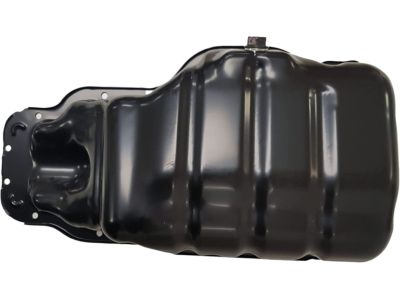
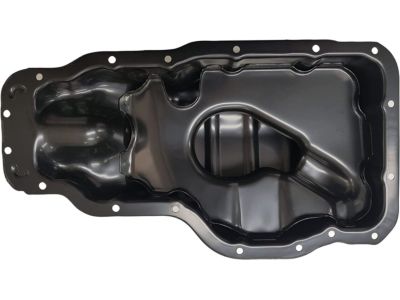
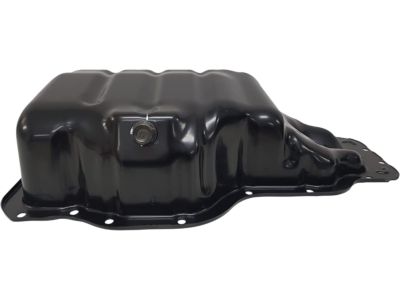
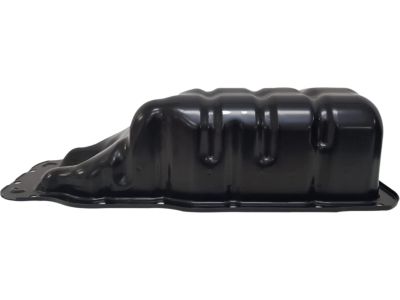
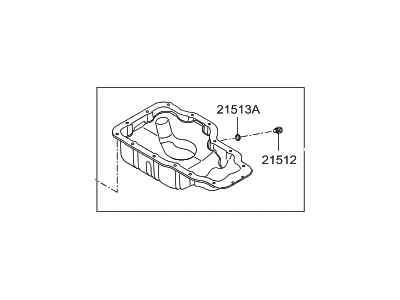

Hyundai Elantra Engine Oil Pan Assembly
Part Number: 21510-2E023$93.11 MSRP: $130.82You Save: $37.71 (29%)Ships in 1-3 Business Days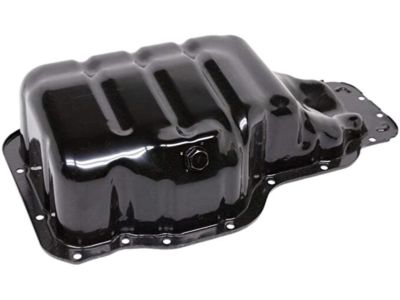
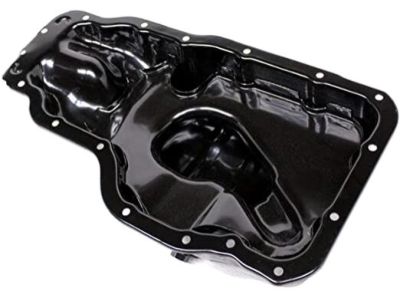

Hyundai Elantra Engine Oil Pan Assembly
Part Number: 21510-2E022$93.11 MSRP: $130.82You Save: $37.71 (29%)Ships in 1-3 Business Days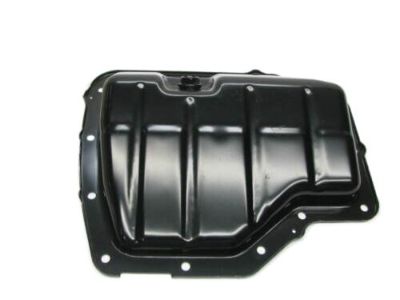
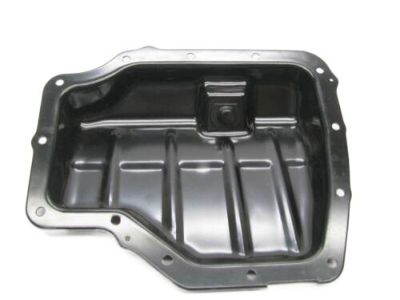
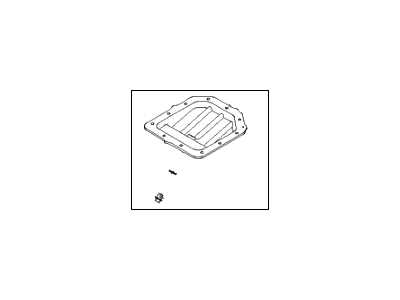
Hyundai Elantra Engine Oil Pan Assembly
Part Number: 21510-2B700$26.04 MSRP: $36.27You Save: $10.23 (29%)Ships in 1-3 Business Days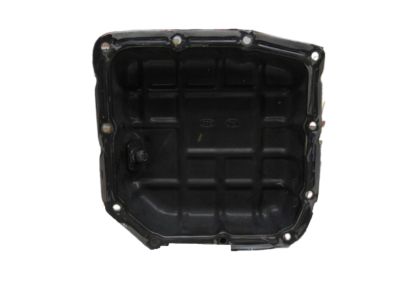
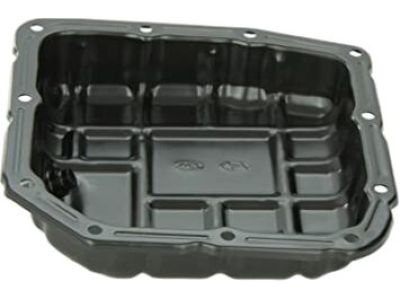
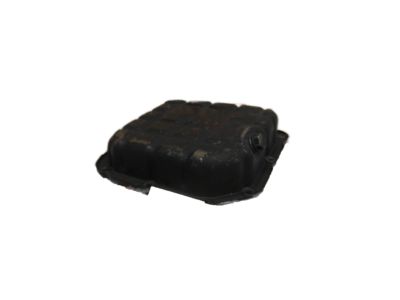
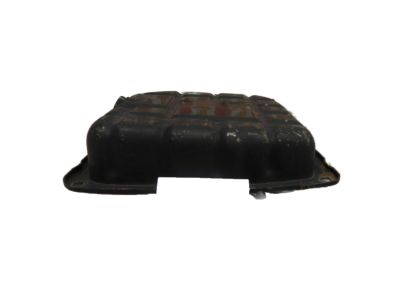
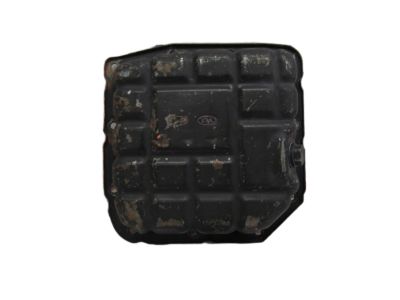
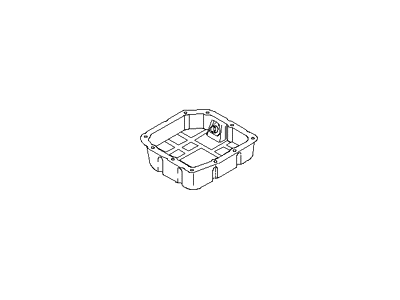

Hyundai Elantra Pan Assembly-Oil,Lower
Part Number: 21510-23700$41.33 MSRP: $57.56You Save: $16.23 (29%)Ships in 1-3 Business Days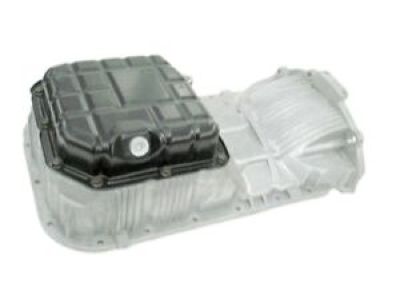
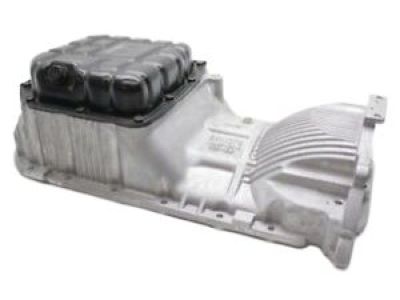
Hyundai Elantra Engine Oil Pan Assembly
Part Number: 21520-23700$248.48 MSRP: $349.11You Save: $100.63 (29%)Ships in 1-3 Business Days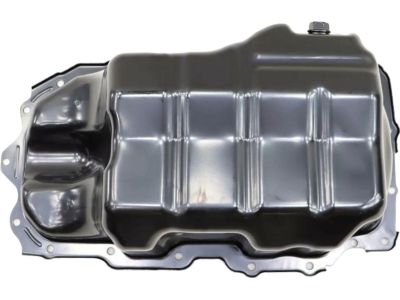
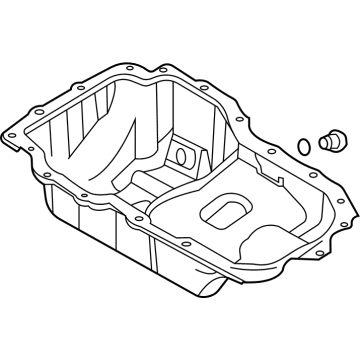

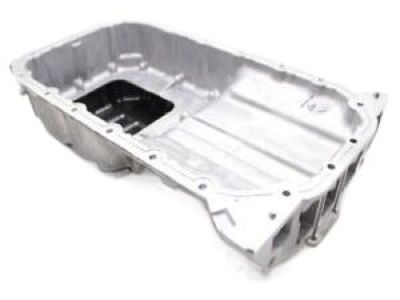
Hyundai Elantra Engine Oil Pan Assembly
Part Number: 21510-2M800$68.01 MSRP: $95.55You Save: $27.54 (29%)Ships in 1-3 Business Days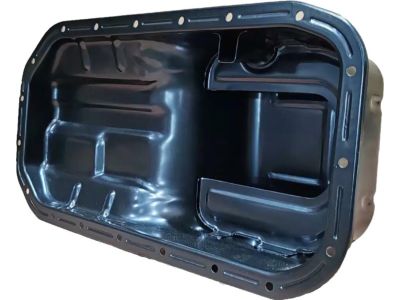
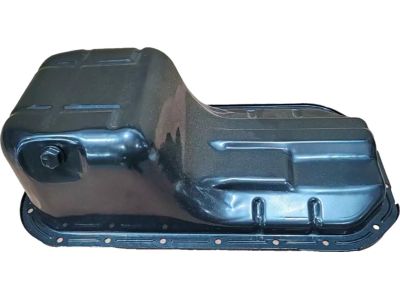
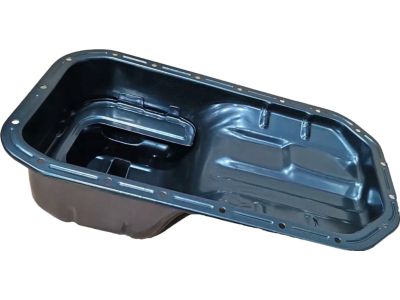
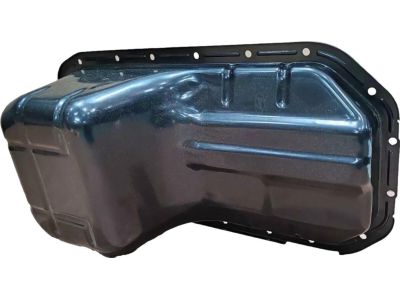
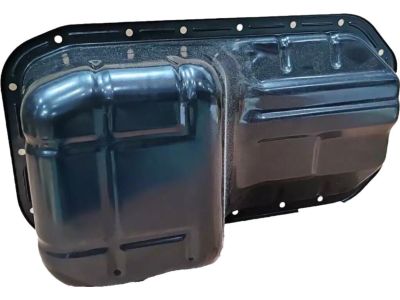
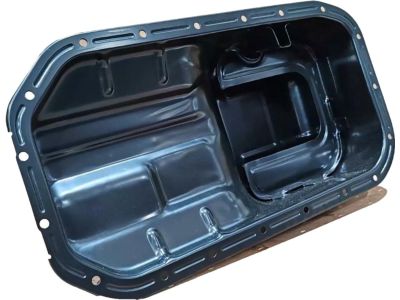
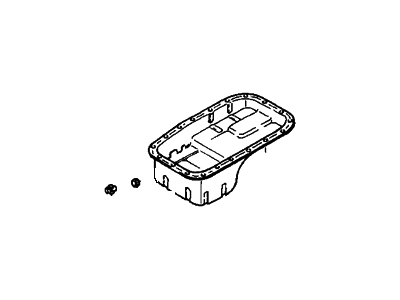

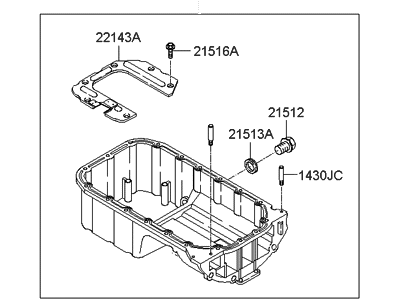
Hyundai Elantra Engine Oil Pan Assembly
Part Number: 21510-23030$115.28 MSRP: $161.97You Save: $46.69 (29%)Ships in 1-3 Business Days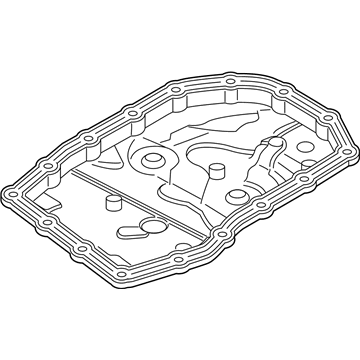

Hyundai Elantra Pan Assembly-Oil
Part Number: 48280-2H000$29.68 MSRP: $41.34You Save: $11.66 (29%)Ships in 1-3 Business Days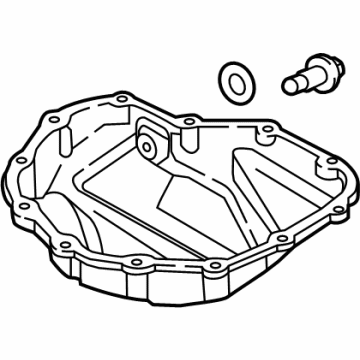

Hyundai Elantra Engine Oil Pan Assembly
Part Number: 21510-03HA0$51.23 MSRP: $71.35You Save: $20.12 (29%)Ships in 1-3 Business Days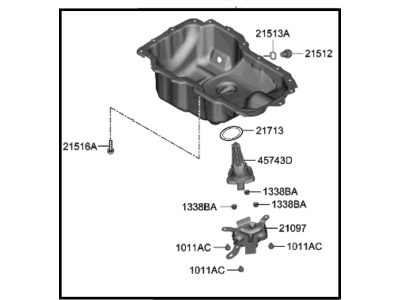

Hyundai Elantra PAN ASSY-ENGINE OIL
Part Number: 21510-2M870$106.13 MSRP: $149.11You Save: $42.98 (29%)Ships in 1-3 Business Days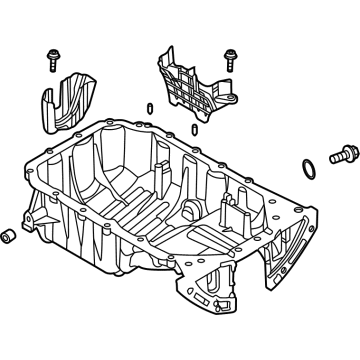

Hyundai Elantra Engine Oil Pan Assembly
Part Number: 21510-2J001$195.73 MSRP: $275.00You Save: $79.27 (29%)Ships in 1-3 Business Days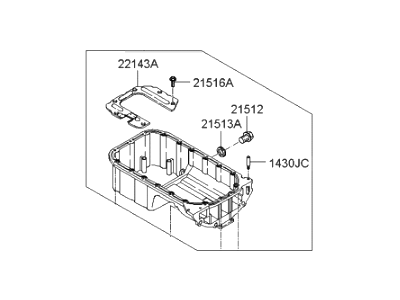

Hyundai Elantra Engine Oil Pan Assembly
Part Number: 21520-23604$288.94 MSRP: $405.95You Save: $117.01 (29%)Ships in 1-2 Business Days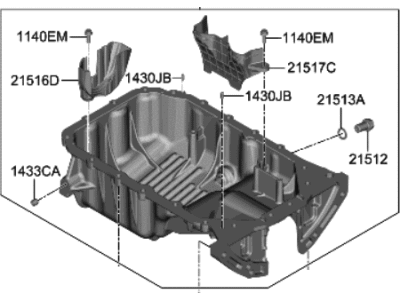

Hyundai Elantra PAN ASSY-ENGINE OIL
Part Number: 21510-2J100$302.62 MSRP: $425.18You Save: $122.56 (29%)Ships in 1-3 Business Days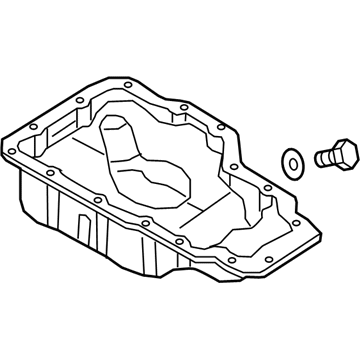

Hyundai Elantra Engine Oil Pan Assembly
Part Number: 21510-2E040$93.11 MSRP: $130.82You Save: $37.71 (29%)Ships in 1-3 Business Days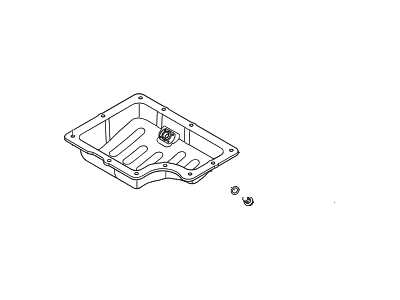

Hyundai Elantra Engine Oil Pan Assembly
Part Number: 21510-03801$44.31 MSRP: $61.71You Save: $17.40 (29%)Ships in 1-3 Business DaysHyundai Elantra Engine Oil Pan Assembly
Part Number: 21510-03800$48.66 MSRP: $67.77You Save: $19.11 (29%)Ships in 1-3 Business Days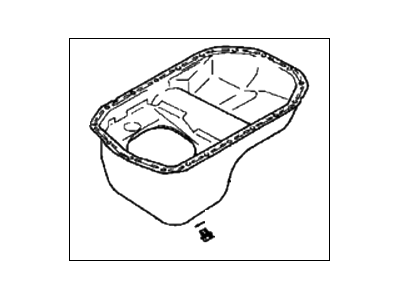

Hyundai Elantra Engine Oil Pan Assembly
Part Number: 21510-33431$84.65 MSRP: $118.94You Save: $34.29 (29%)Ships in 1-3 Business Days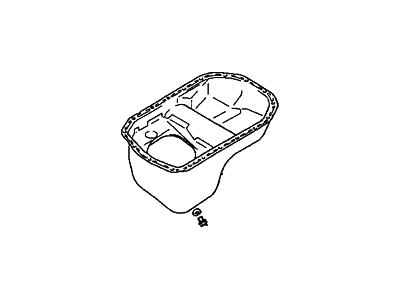
Hyundai Elantra Engine Oil Pan Assembly
Part Number: 21510-33430$84.65 MSRP: $118.94You Save: $34.29 (29%)Ships in 1-3 Business DaysHyundai Elantra Engine Oil Pan Assembly
Part Number: 21510-33010$84.65 MSRP: $118.94You Save: $34.29 (29%)Ships in 1-3 Business Days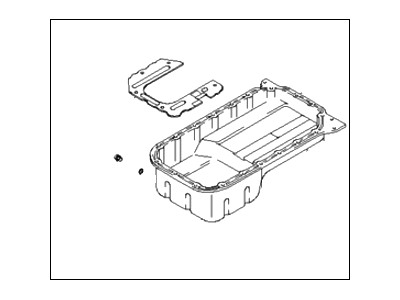

Hyundai Elantra Engine Oil Pan Assembly
Part Number: 21520-23602$288.94 MSRP: $405.95You Save: $117.01 (29%)Ships in 1-3 Business Days
| Page 1 of 2 |Next >
1-20 of 24 Results
Hyundai Elantra Oil Pan
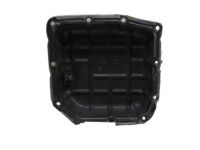
The Hyundai Elantra Oil Pan serves as the primary storage for the engine and helps protect the lubricant applied to keep every moving part of the engine lubricated and running smoothly. Sitting below the block in a wet sump layout, this stamped steel Oil Pan basin collects returning oil for the pump to pick up again, keeping the flow pressurized and steady during day-to-day cruising and lane changes throughout the Hyundai lineup. Many versions of the Hyundai Elantra are based on this kind of simple wet sump design because it keeps the fluid stored right under the engine, which makes for less complexity and cost but does mean that the block is a bit higher and there is some slosh during sharp corners. Across the generations, Elantra drivers are aware that the Oil Pan is also a structural cover that seals the crankcase to help prevent leaks. Performance machines sometimes use a dry sump with additional scavenging pumps and an external tank to avoid starvation, but the regular Hyundai Elantra goes with the single Oil Pan approach which suits the needs of commuter driving. In the new model year, the Oil Pan still bolts to the bottom of the crankcase and seals using a gasket and has a drain plug for servicing. A damaged pan can lead to oil loss if not addressed.
If you are looking for affordable high-quality OEM Hyundai Elantra Oil Pan, then you have come to the prime place. Our website provides a large amount of genuine Hyundai Elantra Oil Pan at unbeatable prices. All our parts come backed with the manufacturer's warranty.
Hyundai Elantra Oil Pan Parts Questions & Experts Answers
- Q:How to remove and insatall the oil pan on Hyundai Elantra?Posted by Sang K.A:For removing the oil pan, turn on the parking brake and apply the wheel chocks on the rear wheels and then lift the front end of the car and put it on sturdy jackstands. For models from 2001 and later, there is a splash shield below the oil filter; remove the required bolts to release it. Dispose with the engine oil and also remove the oil dipstick, if any from the engine. On most models, there is a need to remove the exhaust system section beneath the engine; For 2001+ models, in a similar manner to the above explanation, unscrew the flange bolts and nuts of the catalyst to exhaust pipe, in addition to exhaust pipe bracket bolt. For the models from 1996 to 2000, unbolt the flywheel/driveplate access cover and the engine block-to-transaxle reinforcement bracket. Subsequently, the oil pan bolts should be unscrewed and the oil pan should be unbolted, the putty knife or a screwdriver might be necessary to ease the process since you should not harm the contact surfaces. For installating, remove the old sealant from the block and also from the oil pan, and also clean the joint surfaces and also the threaded bolt holes. Check the oil pan flange for bending and the OPR oil pump pick-up tube assembly for cracks or blockages, replace pick-up tube assembly with new O-ring or gasket if has been removed. Run a 3/16-inch bead of RTV sealant on the oil pan flange, set the oil pan in place and screw the bolts by hand while loosely tightening them. Torque all the bolts from the center towards the periphery for the next stage, the flywheel/ driveplate access cover and also the engine block to transaxle reinforcement bracket with the bolts being tightly fixed in place. The other steps of installation are the reversal of the removal process and one hour is given for the curing of the sealant before the addition of oil. Last but not least, start the engine and observe and look at the dials for oil pressure and ensure there are no signs of oil leaks.Answered by Hyundai Parts Specialist Shaun / Jul 04, 2023
Related Hyundai Elantra Parts
 Hyundai Elantra Oil Filter
 Hyundai Elantra Drain Plug Washer
 Hyundai Elantra Rod Bearing
 Hyundai Elantra Drain Plug
 Hyundai Elantra Oil Pressure Switch
 Hyundai Elantra Crankshaft
 Hyundai Elantra Piston Ring Set
 Hyundai Elantra Dipstick
 Hyundai Elantra Crankshaft Thrust Washer Set
 Hyundai Elantra Dipstick Tube
 Hyundai Elantra Crankshaft Pulley
 Hyundai Elantra Oil Pump
Browse by Year
2026 Oil Pan 2025 Oil Pan 2024 Oil Pan 2023 Oil Pan 2022 Oil Pan 2021 Oil Pan 2020 Oil Pan 2019 Oil Pan 2018 Oil Pan 2017 Oil Pan 2016 Oil Pan 2015 Oil Pan 2014 Oil Pan 2013 Oil Pan 2012 Oil Pan 2011 Oil Pan 2010 Oil Pan 2009 Oil Pan 2008 Oil Pan 2007 Oil Pan 2006 Oil Pan 2005 Oil Pan 2004 Oil Pan 2003 Oil Pan 2002 Oil Pan 2001 Oil Pan 2000 Oil Pan 1999 Oil Pan 1998 Oil Pan 1997 Oil Pan 1996 Oil Pan 1995 Oil Pan 1994 Oil Pan 1993 Oil Pan 1992 Oil Pan 1991 Oil Pan