×
- Hello
- Login or Register
- Quick Links
- Live Chat
- Track Order
- Parts Availability
- RMA
- Help Center
- Contact Us
- Shop for
- Hyundai Parts
- Hyundai Accessories


My Garage
My Account
Cart
Genuine Hyundai Santa Fe Fuse
Circuit Fuse- Select Vehicle by Model
- Select Vehicle by VIN
Select Vehicle by Model
orMake
Model
Year
Select Vehicle by VIN
For the most accurate results, select vehicle by your VIN (Vehicle Identification Number).
54 Fuses found
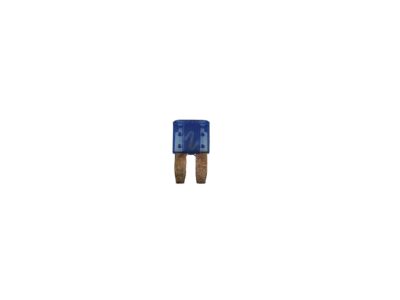
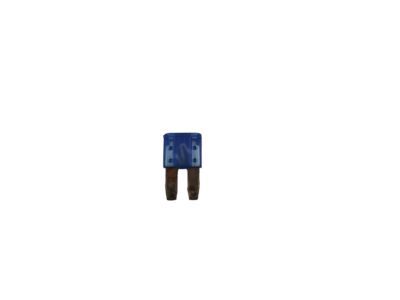
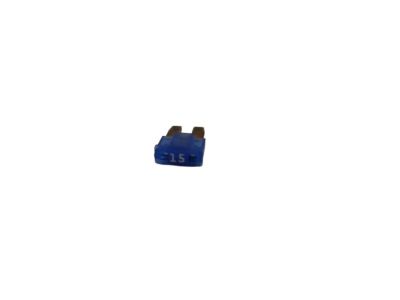
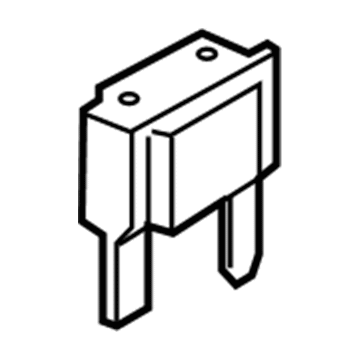

Hyundai Santa Fe Fuse-Micro 15A
Part Number: 18790-05262$1.11 MSRP: $1.44You Save: $0.33 (23%)Ships in 1-2 Business Days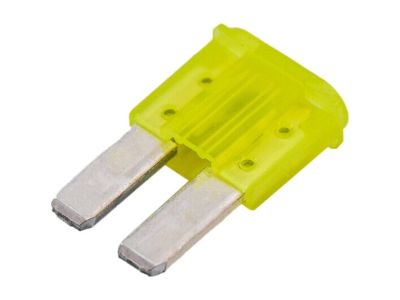
Hyundai Santa Fe Fuse-Micro 20A
Part Number: 18790-05263$1.11 MSRP: $1.44You Save: $0.33 (23%)Ships in 1-3 Business Days

Hyundai Santa Fe Fuse-Micro 10A
Part Number: 18790-05261$1.11 MSRP: $1.44You Save: $0.33 (23%)Ships in 1-2 Business Days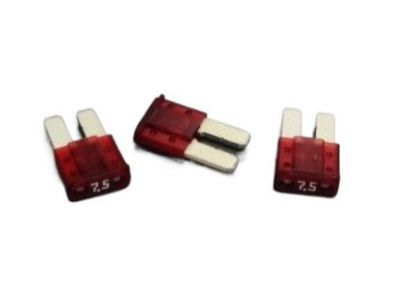

Hyundai Santa Fe Fuse-Micro 7.5A
Part Number: 18790-05260$1.12 MSRP: $1.45You Save: $0.33 (23%)Ships in 1-2 Business Days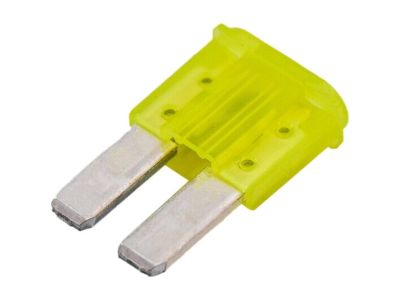
Hyundai Santa Fe Fuse-Micro 25A
Part Number: 18790-05264$1.15 MSRP: $1.48You Save: $0.33 (23%)Ships in 1-3 Business Days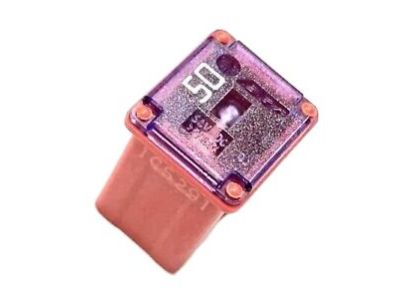
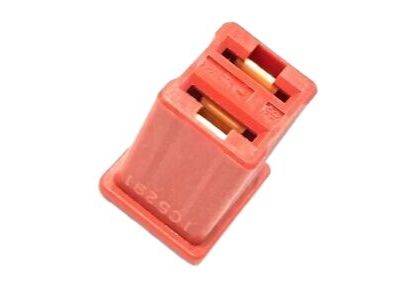


Hyundai Santa Fe Lp-S/B Fuse 50A
Part Number: 18790-01125$2.62 MSRP: $3.39You Save: $0.77 (23%)Ships in 1-3 Business Days
Hyundai Santa Fe Fuse-Micro 30A
Part Number: 18790-05265$1.11 MSRP: $1.44You Save: $0.33 (23%)Ships in 1-2 Business Days

Hyundai Santa Fe Lp-S/B Fuse 40A
Part Number: 18790-01124$2.45 MSRP: $3.16You Save: $0.71 (23%)Ships in 1-3 Business Days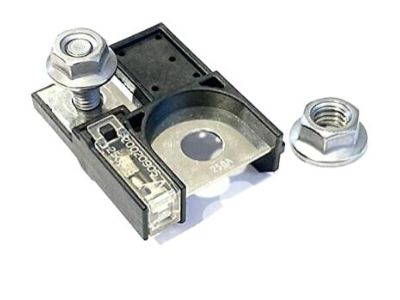
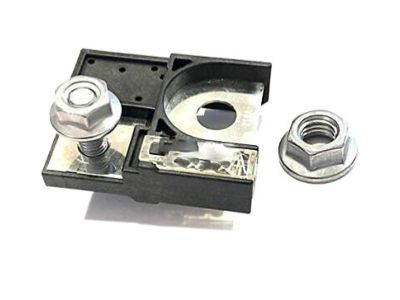
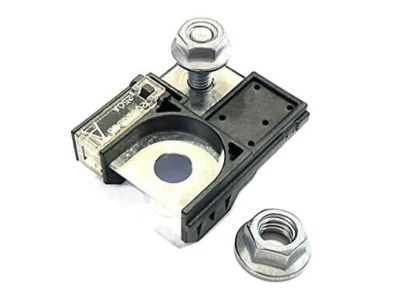
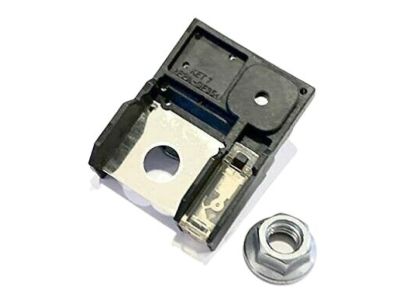

Hyundai Santa Fe Fuse-250A
Part Number: 18980-08500$16.31 MSRP: $21.08You Save: $4.77 (23%)Ships in 1-3 Business Days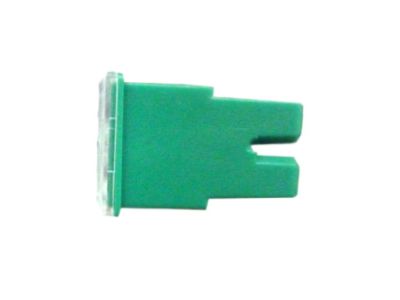

Hyundai Santa Fe Fuse-Slow Blow 40A
Part Number: 18790-04934$3.86 MSRP: $4.98You Save: $1.12 (23%)Ships in 1-3 Business Days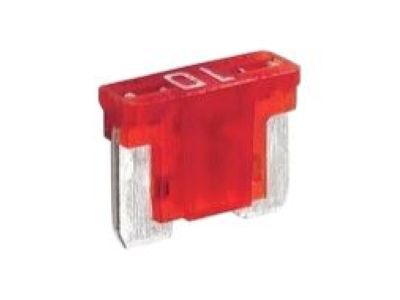

Hyundai Santa Fe Lp-Mini Fuse 10A
Part Number: 18790-01108$0.74 MSRP: $0.95You Save: $0.21 (23%)Ships in 1-3 Business Days
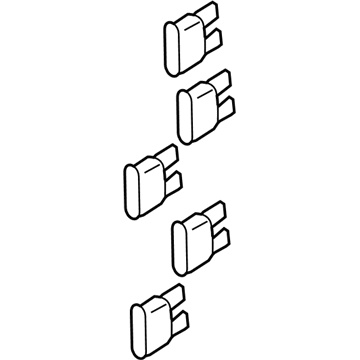

Hyundai Santa Fe Fuse-Min 10A
Part Number: 18980-04815$1.35 MSRP: $1.74You Save: $0.39 (23%)Ships in 1-3 Business Days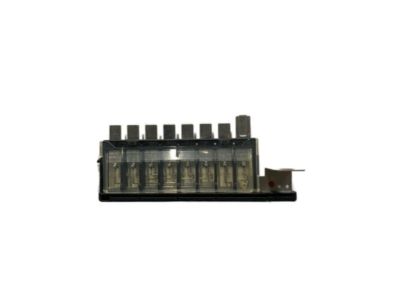
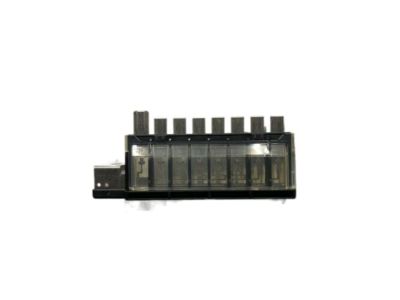
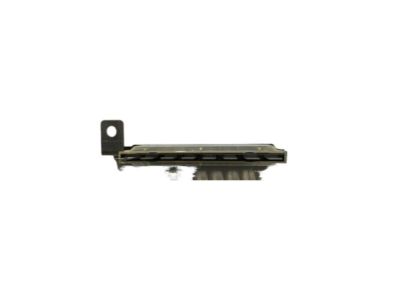
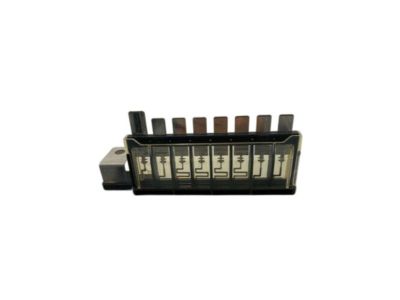

Hyundai Santa Fe Multi Fuse
Part Number: 18790-01316$58.19 MSRP: $81.76You Save: $23.57 (29%)Ships in 1-3 Business Days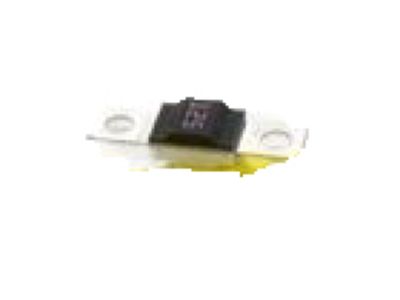
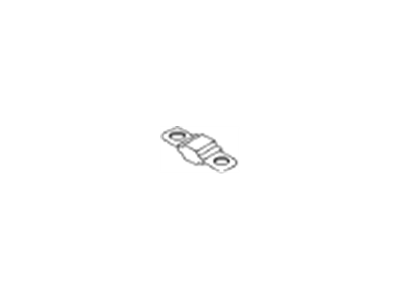

Hyundai Santa Fe Fuse
Part Number: 18980-05931$13.28 MSRP: $17.16You Save: $3.88 (23%)Ships in 1-3 Business Days
Hyundai Santa Fe Lp-Mini Fuse 15A
Part Number: 18790-01109$0.74 MSRP: $0.95You Save: $0.21 (23%)Ships in 1 Business Day

Hyundai Santa Fe Lp-Mini Fuse 25A
Part Number: 18790-01111$0.74 MSRP: $0.95You Save: $0.21 (23%)Ships in 1 Business Day
Hyundai Santa Fe Fuse-Slow Blow Micro 30A
Part Number: 18790-04933$3.71 MSRP: $4.79You Save: $1.08 (23%)Ships in 1-3 Business Days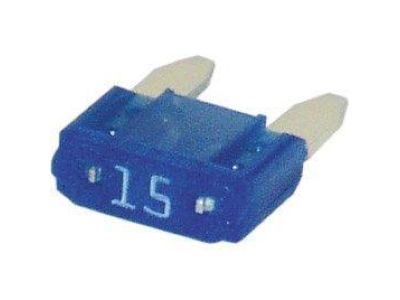


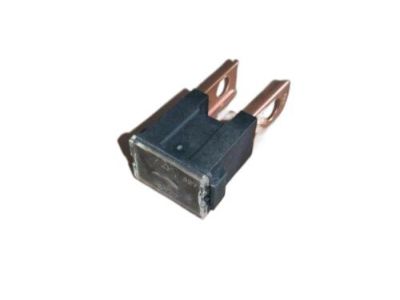

Hyundai Santa Fe Diode(2P)
Part Number: 91870-38110$22.98 MSRP: $29.69You Save: $6.71 (23%)Ships in 1-3 Business Days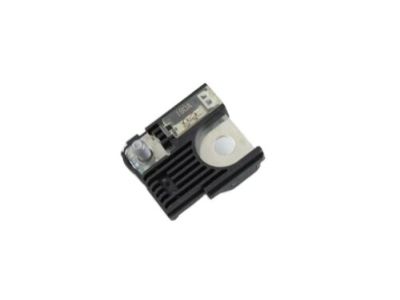
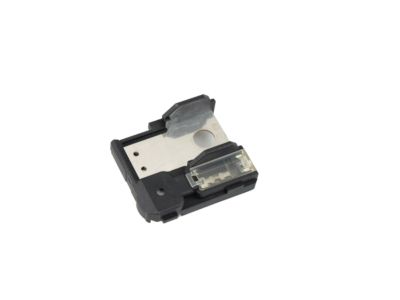

Hyundai Santa Fe Fuse(180A)
Part Number: 18790-01319$44.14 MSRP: $61.48You Save: $17.34 (29%)Ships in 1-2 Business Days
| Page 1 of 3 |Next >
1-20 of 54 Results
Hyundai Santa Fe Fuse
Hyundai Santa Fe Fuse cuts off power the moment excessive current threatens wiring. This makes the drives of users worry-free. The Fuse is a component located under the dashboard or in a hard plastic case under the hood. Next to the relays that send battery and alternator output to radios, lights, GPS units and other goodies, the Fuse's metal strip melts quickly to break the circuit before heat or surges can damage them. Generally, if a component, such as a horn or turn signal, comes to an abrupt stop, the car owners simply lift the lid, refer to the diagram and test the corresponding Fuse with a probe. If only one side lights, that Fuse is seen to have blown. A matching twin, as stocked in the kit, can then be snapped in to restore operation within minutes. There are two main styles that have appeared across the Hyundai Santa Fe's life. Contemporary blade designs have vivid coloration to signal the amperage. These are offered in low-profile mini, mini, regular and maxi formats in dark blue 0.5 amp slivers to purple 120 amp giants. Earlier, glass tube objects may be of one diameter but have diverse ratings and no color code, so one will have to be more careful while reading values. The hot vibrating engine bay will eventually wear any Hyundai casing, but a quick swap of the correct Fuse ensures that every trip in a Santa Fe is bright and connected.
If you are looking for affordable high-quality OEM Hyundai Santa Fe Fuse, then you have come to the prime place. Our website provides a large amount of genuine Hyundai Santa Fe Fuse at unbeatable prices. All our parts come backed with the manufacturer's warranty.
Hyundai Santa Fe Fuse Parts Questions & Experts Answers
- Q:What are fuses and how do they protect electrical circuits in Hyundai Santa Fe?Posted by Donna H.A:Protection of the electrical circuits of the vehicle is provided by fuses, circuit breakers, and fusible links; and the fuse blocks are located beneath the left-hand side of the instrument panel and in the compartment, within the guide on the cover. Every fuse is selected to safeguard a given circuit and the circuits are labeled on the cover of the fuse panel. The compact type has blade terminal configurations, are easy to install and replace; when an electrical part is not working, it is recommended to first check the fuse. With a test light, you can check for power where the terminal tips of the fuses are exposed and if there is power on one side of the fuse but not on the other side then this means that the fuse is blown and the evidence of this is seen by mere looking at the fuse where you will note that the element on the fuse is melted between the terminals. Replacing a fuse, one should use a fuse of the given type, as using the fuses of the different rating which are physically interchangeable is not advised given the requirement of certain levels of protection for every circuit, and the amperage value usually molded onto the body of the fuse. In case a fuse blows as soon as it is replaced, it should not be replaced again until the system condition that leads to Blown fuses, normally a short circuit due to a faulty wire is fixed. Moreover, some circuits are protected with fusible links, which apply in non-fused circuits, such as the high current side of the charging or starting circuits. Traditional inline fusible links have a larger part in the cable and are situated in their own block located within the engine compartment fuse and relay box; therefore, these cartridges are exchangeable for units with the identical amperage as soon as the negative battery terminal is disconnected.Answered by Hyundai Parts Specialist Miguel / Nov 10, 2025