×
- Hello
- Login or Register
- Quick Links
- Live Chat
- Track Order
- Parts Availability
- RMA
- Help Center
- Contact Us
- Shop for
- Hyundai Parts
- Hyundai Accessories


My Garage
My Account
Cart
Genuine Hyundai Sonata Brake Master Cylinder
- Select Vehicle by Model
- Select Vehicle by VIN
Select Vehicle by Model
orMake
Model
Year
Select Vehicle by VIN
For the most accurate results, select vehicle by your VIN (Vehicle Identification Number).
28 Brake Master Cylinders found
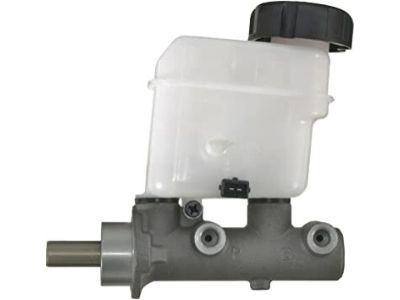
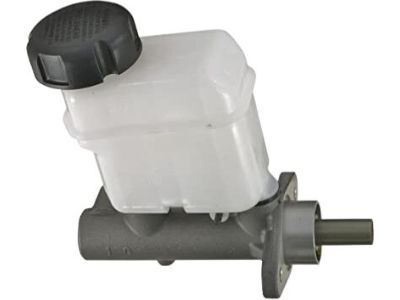
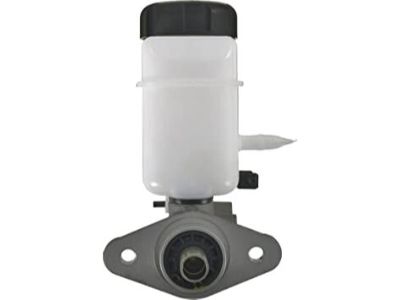
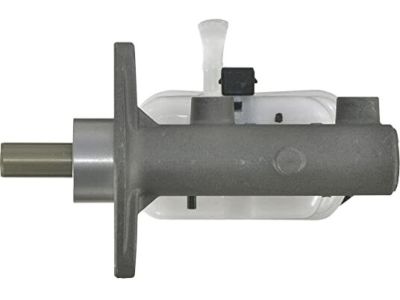
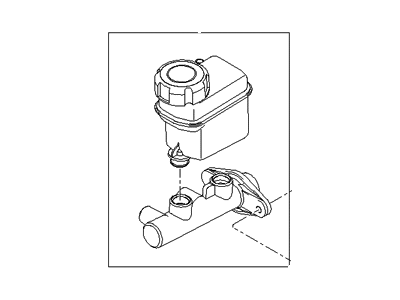

Hyundai Sonata Brake Master Cylinder Assembly
Part Number: 58510-3K300$455.27 MSRP: $645.26You Save: $189.99 (30%)Ships in 1-3 Business Days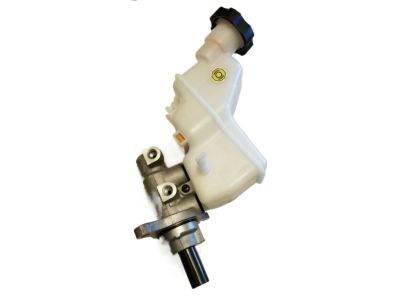
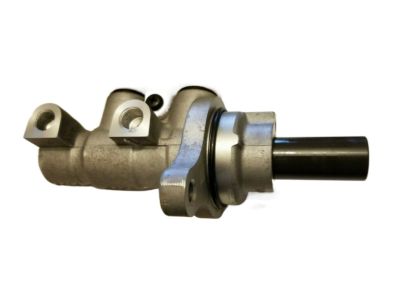
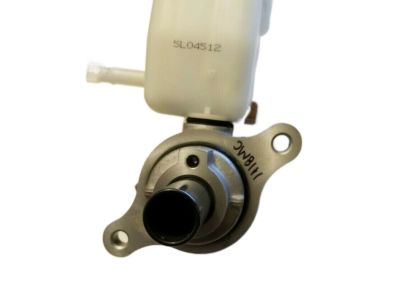
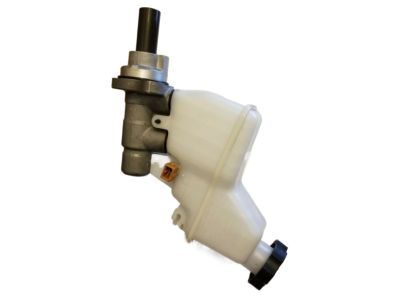
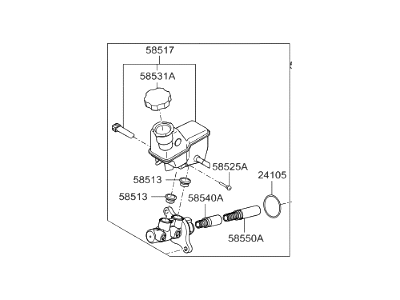

Hyundai Sonata Brake Master Cylinder Assembly
Part Number: 58510-C1200$443.10 MSRP: $628.02You Save: $184.92 (30%)Ships in 1-3 Business Days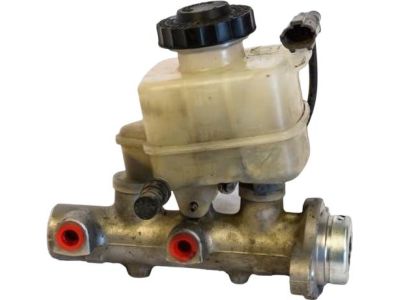
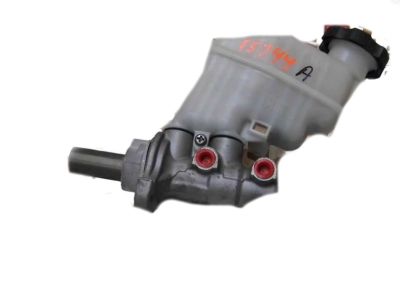
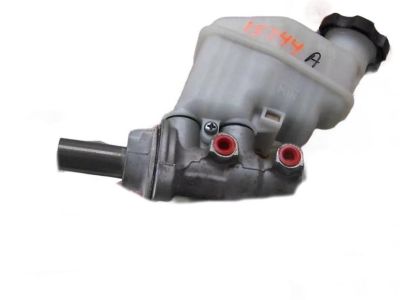
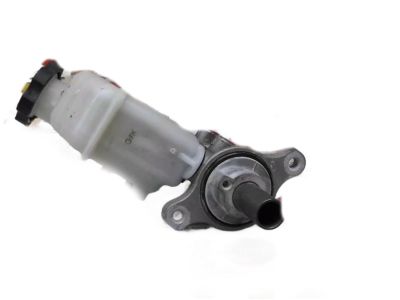
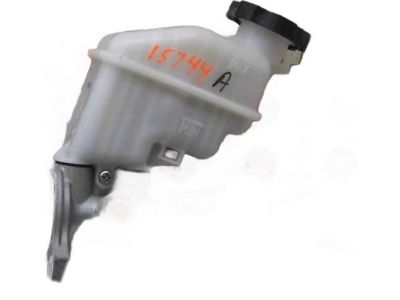
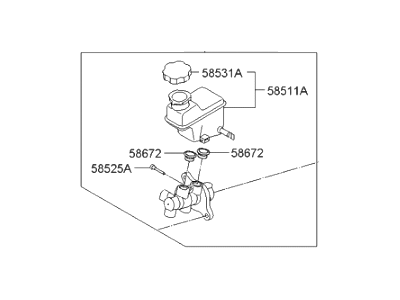

Hyundai Sonata Brake Master Cylinder Assembly
Part Number: 58510-3Q400$496.81 MSRP: $704.13You Save: $207.32 (30%)Ships in 1-2 Business DaysHyundai Sonata Brake Master Cylinder Assembly
Part Number: 58510-3Q300$401.96 MSRP: $569.71You Save: $167.75 (30%)Ships in 1-3 Business Days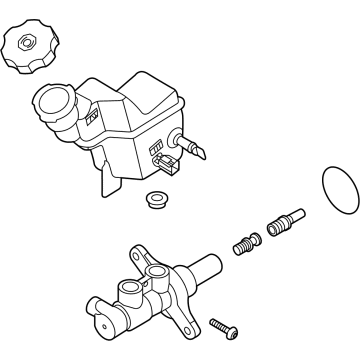

Hyundai Sonata Brake Master Cylinder Assembly
Part Number: 58510-L1000$261.92 MSRP: $367.98You Save: $106.06 (29%)Ships in 1-3 Business DaysHyundai Sonata Brake Master Cylinder Assembly
Part Number: 58510-3K200$362.19 MSRP: $513.34You Save: $151.15 (30%)Ships in 1-3 Business DaysHyundai Sonata Brake Master Cylinder Assembly
Part Number: 58510-C1500$443.10 MSRP: $628.02You Save: $184.92 (30%)Ships in 1-3 Business DaysHyundai Sonata Brake Master Cylinder Assembly
Part Number: 58510-L1200$249.45 MSRP: $350.47You Save: $101.02 (29%)Ships in 1-3 Business Days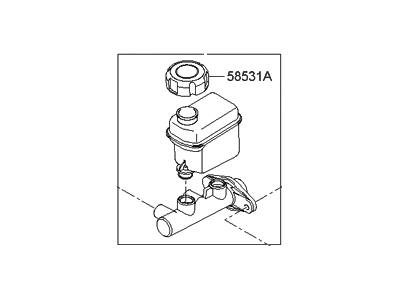

Hyundai Sonata Brake Master Cylinder Assembly
Part Number: 58510-3K000$366.98 MSRP: $520.13You Save: $153.15 (30%)Ships in 1-3 Business Days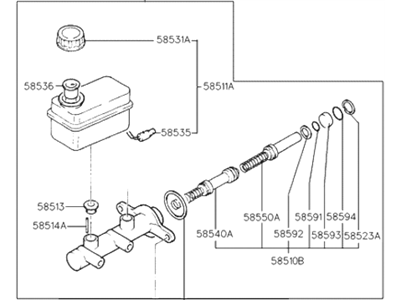

Hyundai Sonata Brake Master Cylinder Assembly
Part Number: 58510-34030$61.04 MSRP: $85.76You Save: $24.72 (29%)Ships in 1-3 Business Days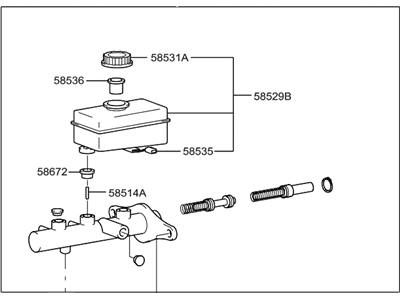

Hyundai Sonata Brake Master Cylinder Assembly
Part Number: 58510-3D500$677.87 MSRP: $969.27You Save: $291.40 (31%)Ships in 1-3 Business Days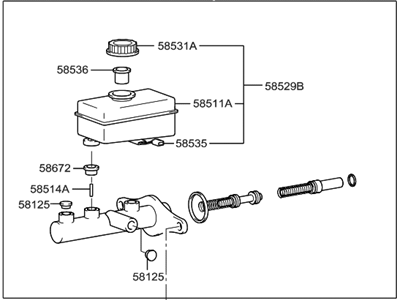

Hyundai Sonata Brake Master Cylinder Assembly
Part Number: 58510-38304$941.90 MSRP: $1346.81You Save: $404.91 (31%)Ships in 1-3 Business Days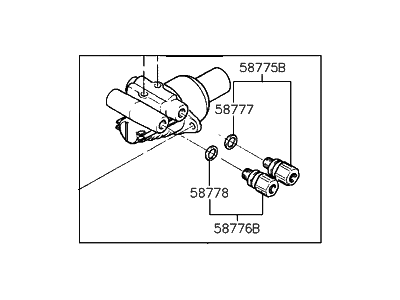

Hyundai Sonata Brake Master Cylinder Assembly
Part Number: 58510-33300$372.68 MSRP: $528.21You Save: $155.53 (30%)Ships in 1-3 Business Days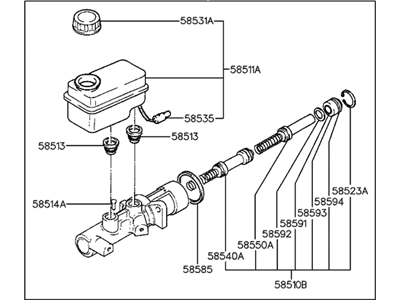

Hyundai Sonata Brake Master Cylinder Assembly
Part Number: 58510-33252$452.20 MSRP: $640.90You Save: $188.70 (30%)Ships in 1-3 Business DaysHyundai Sonata Brake Master Cylinder Assembly
Part Number: 58510-33250$452.20 MSRP: $640.90You Save: $188.70 (30%)Ships in 1-3 Business DaysHyundai Sonata Brake Master Cylinder Assembly
Part Number: 58510-33201$452.20 MSRP: $640.90You Save: $188.70 (30%)Ships in 1-3 Business DaysHyundai Sonata Brake Master Cylinder Assembly
Part Number: 58510-38004$480.58 MSRP: $681.13You Save: $200.55 (30%)Ships in 1-3 Business DaysHyundai Sonata Brake Master Cylinder Assembly
Part Number: 58510-34330$497.53 MSRP: $705.16You Save: $207.63 (30%)Ships in 1-3 Business DaysHyundai Sonata Brake Master Cylinder Assembly
Part Number: 58510-34310$497.53 MSRP: $705.16You Save: $207.63 (30%)Ships in 1-3 Business DaysHyundai Sonata Brake Master Cylinder Assembly
Part Number: 58510-34300$497.53 MSRP: $705.16You Save: $207.63 (30%)Ships in 1-3 Business Days
| Page 1 of 2 |Next >
1-20 of 28 Results
Hyundai Sonata Brake Master Cylinder
The hydraulic pressure is generated by the Brake Master Cylinder converting the pedal motion in Hyundai Sonata. Every generation of Hyundai Sonata delivers powerful braking power. Normally bolted to the front of the vacuum booster, the Brake Master Cylinder is a cast iron or aluminum housing that contains twin pistons, springs, and seals. These pressurize the fluid in two separate circuits, so that a single line failure still leaves partial braking. The earlier units had one locking cap in a single integral metal reservoir while the later designs on the Sonata switched to a lightweight top-mounted plastic reservoir that had O-ring seals and threaded caps, both being original Hyundai parts that will fit correctly. Either way, the Brake Master Cylinder is kept supplied with fluid through small ports that open when the pedal is at rest. When you step on the pedal, it pushes the pistons forward via a pushrod. Fluid flows through high-pressure lines to calipers or drums so the wheels stop. When you release the pedal, the return springs reset the Brake Master Cylinder pistons to draw fresh fluid. Routine bleeding of the brakes on a Sonata eliminates air that can create a false symptom of Brake Master Cylinder failure. Additionally, adhering to factory Hyundai specifications prevents moisture-induced corrosion that would lengthen stopping distances of all Hyundai Sonata on the road.
If you are looking for affordable high-quality OEM Hyundai Sonata Brake Master Cylinder, then you have come to the prime place. Our website provides a large amount of genuine Hyundai Sonata Brake Master Cylinder at unbeatable prices. All our parts come backed with the manufacturer's warranty.
Hyundai Sonata Brake Master Cylinder Parts Questions & Experts Answers
- Q: How to remove and install the Brake Master Cylinder on Hyundai Sonata?A:Before removing the Brake Master Cylinder, make sure that no body parts get scraped as this may result in spoiling the paint work and any finished surface should the brake fluid drip, it should be wiped off using water. Start with the air filter housing and air intake duct to be taken out; the excess fluid in the reservoir should be sucked out using a syringe. Remove the electrical connector of the brake fluid level warning switch, put some rag on the fittings, and some caps or plastic bags for the ends of the lines after separating. Remove the fittings at the ends of the Brake Lines entering the Brake Master Cylinder with a flare-nut wrench to ensure you do not round the flats. Gently retract the brake lines off the Brake Master Cylinder and cap the ends in order to prevent any form of contamination. Loosen and take out the nuts that hold the Brake Master Cylinder to the power booster and pull it off the studs without over-turning the hydraulic fluid or bending the brake hoses. If not possible to move brake lines going to the ABS actuator out of the way safely, it may be necessary to un-bolt them. To install, bench bleed the new Brake Master Cylinder by fitting it to a vise and connecting the bleeder tubes to the outlet ports. Pour in the type of brake fluid you are advised to use and draw the piston of the Brake Master Cylinder back and push it in again to force the air out into the reservoir as this is done until no air bubble is seen in the reservoir. Once the bleed tubes had been removed and plugs placed in the open ports the reservoir cover was replaced and the Brake Master Cylinder positioned over the studs on the power Brake Booster nuts were tightened but only with fingers at first. Slide the brake line fittings over the Brake Master Cylinder, while the Brake Master Cylinder should still be slightly loose for easier installation. Both the mounting nuts of the brake line and the fittings should be tightened well and the reservoir should be filled with the brake fluid for the Brake Master Cylinder and the brake system needs to be bleed for the brake system, an assistant pumps the brake pedal with the loosening of the nut of fitting to release both the air and the fluid. If the Brake Master Cylinder to actuator brake lines were disconnected, then bleed the brake lines at the unit as well. Last, return components in the reverse order of removal and inspect the brake system's function before normal operations, seeking professional help if the brake system, including the lights, feels unresponsive.
Related Hyundai Sonata Parts
 Hyundai Sonata Brake Proportioning Valve
 Hyundai Sonata Brake Fluid Pump
 Hyundai Sonata Brake Fluid Level Sensor
 Hyundai Sonata Brake Booster
 Hyundai Sonata Master Cylinder Repair Kit
Browse by Year
2026 Brake Master Cylinder 2025 Brake Master Cylinder 2024 Brake Master Cylinder 2023 Brake Master Cylinder 2022 Brake Master Cylinder 2021 Brake Master Cylinder 2020 Brake Master Cylinder 2019 Brake Master Cylinder 2018 Brake Master Cylinder 2017 Brake Master Cylinder 2016 Brake Master Cylinder 2015 Brake Master Cylinder 2014 Brake Master Cylinder 2013 Brake Master Cylinder 2012 Brake Master Cylinder 2011 Brake Master Cylinder 2010 Brake Master Cylinder 2009 Brake Master Cylinder 2008 Brake Master Cylinder 2007 Brake Master Cylinder 2006 Brake Master Cylinder 2005 Brake Master Cylinder 2004 Brake Master Cylinder 2003 Brake Master Cylinder 2002 Brake Master Cylinder 2001 Brake Master Cylinder 2000 Brake Master Cylinder 1999 Brake Master Cylinder 1998 Brake Master Cylinder 1997 Brake Master Cylinder 1996 Brake Master Cylinder 1995 Brake Master Cylinder 1994 Brake Master Cylinder 1993 Brake Master Cylinder 1992 Brake Master Cylinder 1991 Brake Master Cylinder 1990 Brake Master Cylinder 1989 Brake Master Cylinder 1988 Brake Master Cylinder