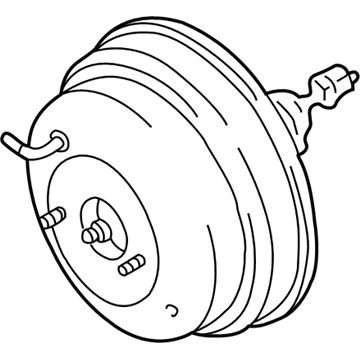
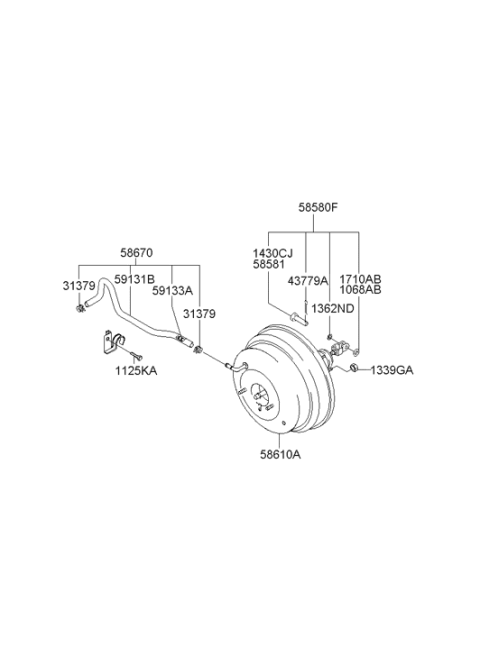
Brakes should be inspected whenever the wheels are removed or when a brake system defect is suspected, in addition to the specified maintenance intervals. Watch out for such brake system problems as vehicle pull to one side when applying the brake pedal or squeal/ drag noise during braking, too much loss of brake pedal travel, pedal pulsations and even brake fluid leaks. Commence by loosening wheel lug nuts; then raise and safely support the vehicle on stands. Remove the wheels in order to gain access to the braking components. For vehicles that have disc brakes both front and rear with a mechanical drum-type parking brake mechanism inside the rear discs, check pad thickness through inspection window in caliper body and replace pads if lining material is insufficient. If you cannot assess pad thickness accurately or are unsure about anything else, remove calipers and pads for more detailed examination. After cleaning these pads using brake cleaner re-measure them again. Using a micrometer measure disc thickness making sure it meets minimum specified thickness; replace thinner discs and resurface damaged ones. Before putting back on wheels inspect all break lines/hoses for damages/wear/corrosion/leakage and correct accordingly. Lastly go through a sequence of checking your booster systems followed by evaluating how effective your park brakes are by testing them on steep hills while the car is parked Neutral gear. The parking brakes require attention if they do not stop rolling downhill.