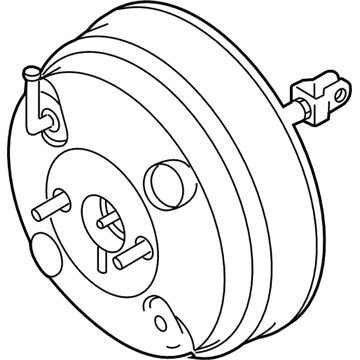
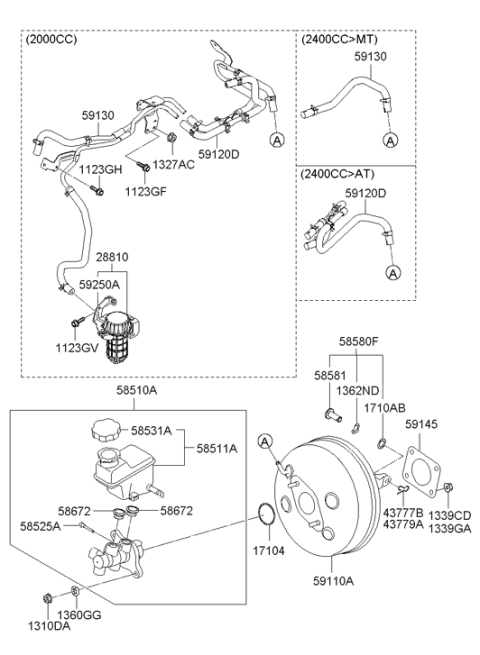
In order to maintain vehicles in good condition, regular checking of brakes is necessary. When it is required and as per the specifications, these should checked upon removing the wheels or when there is a doubt about any defect. One side pulling of vehicle under application of brake pedal, noise squealing during applying the brake system, too much travel on the brake pedal, pulsation of pedal or leakage of fluid when pressing the brakes are signs that your vehicle might have problems with its braking system which may be easily diagnosed by mechanic who will immediately advise you on what to do next in order to rectify it. The wheel lug nuts have to be loosened and removed; then the car has to be lifted safely using jackstands; finally, you need to take off all wheels while inspecting them for damage as well as wear marks. For each caliper, disc in this case comprises two pads: an outer pad and an inner one whose thickness's must be verified through looking at inspection window on either side. More examination requires removing calipers so that pads can be cleaned properly if needed. Micrometer is used for measuring disc thickness while gouging resulting from burning instances or scoring are indicators as well. It's also very important that after having taken away the wheels examine each brake line plus hose carefully for any kind of damages or wear among other issues. Other extra tasks include removal of drum coverings on rear drum brakes; washing out behind it; making sure that lining now meets prescribed standards; inspecting thoroughly all elements found inside drum assembly particularly spoilt fluid spots. A procedure for examining boosters is provided together with a parking method involving placing a vehicle on a steep slope with a set parking brake while leaving transmission at neutral position to ascertain if it would stop rolling down hill even though engine was not running.