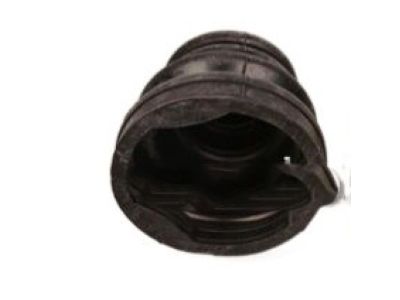
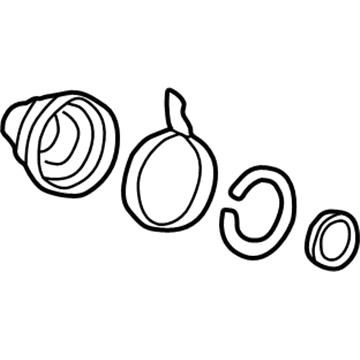
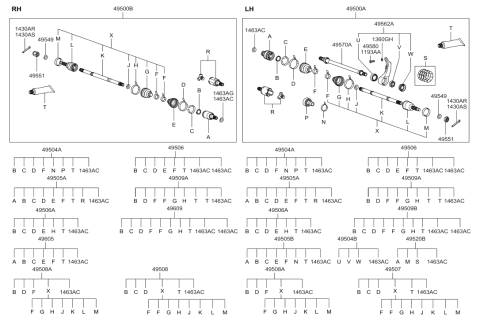
Rock the steering wheel back and forth with the vehicle's front wheels pointed straight ahead, while on the ground. Excessive freeplay may result from worn main shaft yoke, intermediate shaft yoke, lower arm balljoint, front wheel bearings or a broken or incorrectly adjusted steering gear. Other indications that there might be something wrong with your car's steering components include too much body movement when driving through rough roads, leaning or swaying during cornering and binding when turning the steering wheel. Test the shock absorber by pushing down on each corner of the vehicle and release it. If within one or two bounces the vehicle does not return to a level position then shocks/struts are worn out and need replacing. While bouncing the car listen for squeaks and noises coming from suspension parts. Lift the car up using a floor jack and put it on jackstands which will hold it securely in place. Of course it is also important to inspect tires for abnormal wear patterns as well as check their inflation pressures. The universal joint connecting between steering shaft and steering gear housing should be inspected as well as lubricant leakage or oozing in the gear housing itself. Dust seals and boots must not have any damage signs while at all boot clamps must never come loose anyhow; rightly so you should ensure that they have not been damaged in any way but if found loose then tighten them right away before anything else goes wrong with your machine! Examine tie-rod ends for play of excessive amount and search for disconnected parts, broken bolts and decayed rubber bushings on all suspension and steering elements Disorderly Helper In case his/her assistant turns this part from left side to right side; what needs to be done here is to make sure that all these parts can move without any problem just like they used to do before since no any rubbing has taken place again once upon some time now!!! Check for where slack exists among them. Try moving each control arm up and down on the prybar to check for play in balljoints. Any joint with play needs replacement. Inspect the balljoint boots for damage from cracking and leaking grease in them. Replace any damaged balljoints. CV Joint Boots are there to ensure that dirt, water and other foreign materials do not enter or damage CV joints. Check if any of these boots have tears, cracks or loose clamps that tell you something is wrong with it then replace as soon possible so as to prevent more coming damages within your system!