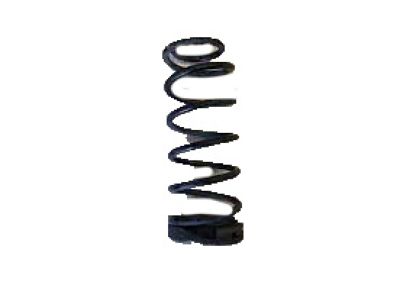
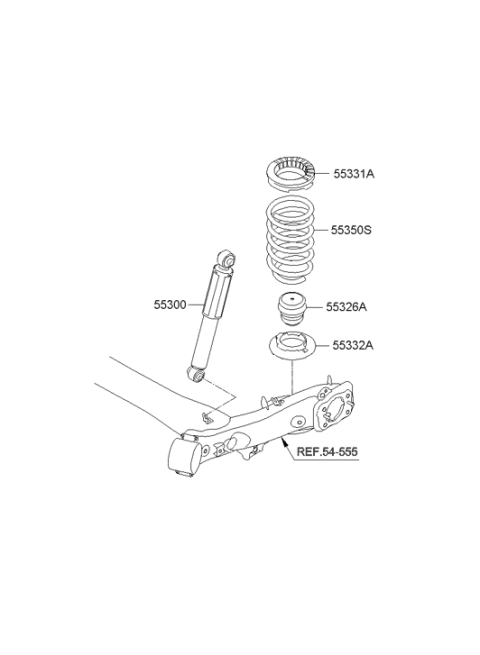
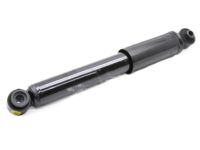
In the following situations, one must get the information regarding the other alternatives before beginning, If the struts or coil springs are leaking fluid or loss of its damping characteristics and the physical attributes of the struts or coil springs are like chipped, sagging or even cracked coil springs. The strut/damper is non-separable and the assemblies have to be changed if a fault is noted but there may be complete strut assemblies complete with springs available for exchange to save time. Ensure the cost and availability of the parts before dismantling the vehicle as dismantling of a strut is very sensitive and requires so much attention not to cause severe injuries. This is where the need to employ a high quality spring compressor comes in There are always guidelines for the use of the spring compressor and these should be followed to a T. Once you have disconnected the coil spring from the strut you should put it aside in a suitable area. To dismantle, first, you need to take out the strut and spring assembly and put it between the vise and wear wooden or rag on the vise's jaw and screw should not be over tightened. Mount the spring compressor as per the manufacture's instructions and tighten the vice and compress the spring until you release pressure from the upper spring seat which is indicated by vibrations. Lift the dust cover up with a crow bar, and then unbolt the damper shaft nut; after this, remove the upper suspension support, turn the bearing to check its silky feel, and examine the rubber for signs of wear. Gently raise the compressed spring from the damper shaft, inspect the rubber spring seat for a possible damage then put the spring far from everyone as it poses a high risk on people. If the spring seat and rubber seal is stuck you will have to pry them apart with the help of a screw driver while detaching the dust boot from the damper shaft, and to examine the condition of the lower insulator. For reassembly, if the lower insulator is replaced; ensure it is well fitted; activate the damper rod; and fit the dust boot. Position the coil spring over the lower insulator, making sure that it must enter correctly and then put in the upper insulator and the spring seat with the D-shaped cutout situated over the damper's shaft. Last, the dust seal and the suspension support are to be fitted, the nut is tighten while preventing the shaft from rotating and the strut/coil spring assembly must be refitted.