×
- Hello
- Login or Register
- Quick Links
- Live Chat
- Track Order
- Parts Availability
- RMA
- Help Center
- Contact Us
- Shop for
- Hyundai Parts
- Hyundai Accessories


My Garage
My Account
Cart
Genuine Hyundai Accent Crankshaft Pulley
Crankshaft Pulley Engine Harmonic Balancer- Select Vehicle by Model
- Select Vehicle by VIN
Select Vehicle by Model
orMake
Model
Year
Select Vehicle by VIN
For the most accurate results, select vehicle by your VIN (Vehicle Identification Number).
10 Crankshaft Pulleys found
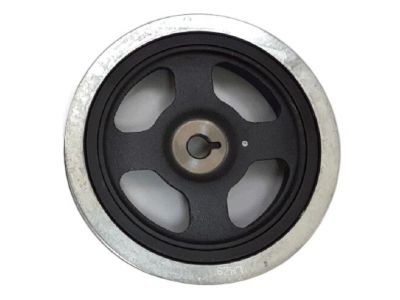

Hyundai Accent Damper Pulley
Part Number: 23124-2B020$116.83 MSRP: $164.15You Save: $47.32 (29%)Ships in 1-3 Business Days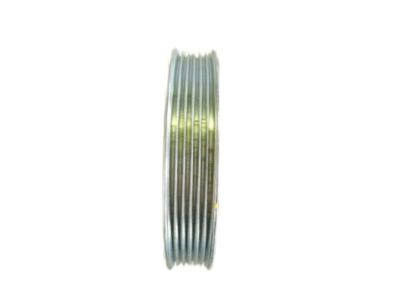
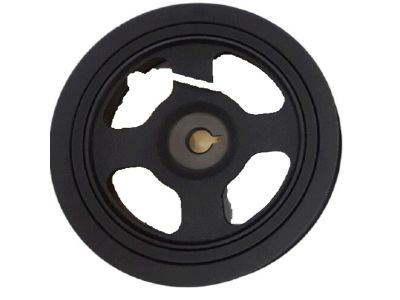
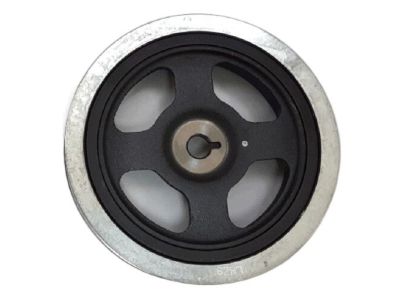

Hyundai Accent Damper Pulley
Part Number: 23124-2B010$116.83 MSRP: $164.15You Save: $47.32 (29%)Ships in 1-3 Business Days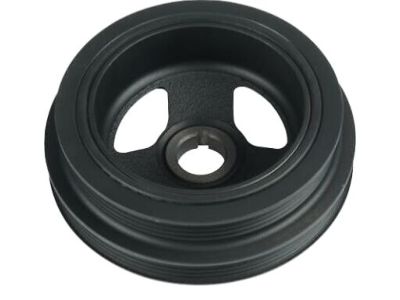

Hyundai Accent Damper Pulley
Part Number: 23124-22020$109.26 MSRP: $153.50You Save: $44.24 (29%)Ships in 1-3 Business Days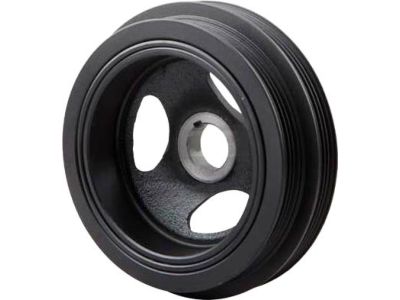
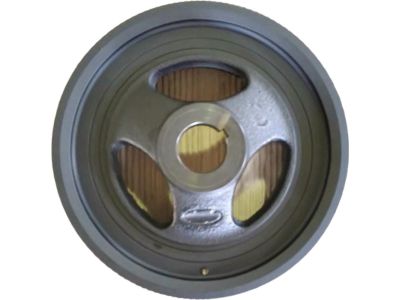

Hyundai Accent Damper Pulley
Part Number: 23124-22601$109.26 MSRP: $153.50You Save: $44.24 (29%)Ships in 1-3 Business Days

Hyundai Accent Damper Pulley
Part Number: 23124-26030$132.18 MSRP: $185.71You Save: $53.53 (29%)Ships in 1-3 Business Days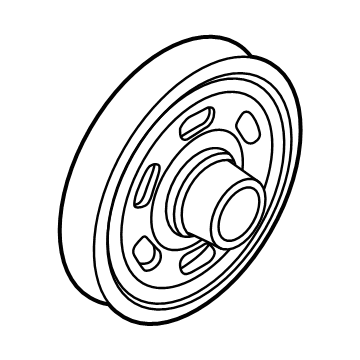
Hyundai Accent Damper Pulley
Part Number: 23124-2M000$116.83 MSRP: $164.15You Save: $47.32 (29%)Ships in 1-3 Business DaysHyundai Accent Damper Pulley
Part Number: 23124-2B000$116.83 MSRP: $164.15You Save: $47.32 (29%)Ships in 1-3 Business DaysHyundai Accent Damper Pulley
Part Number: 23124-22600$109.26 MSRP: $153.50You Save: $44.24 (29%)Ships in 1-3 Business DaysHyundai Accent Damper Pulley
Part Number: 23124-26011$111.85 MSRP: $157.14You Save: $45.29 (29%)Ships in 1-3 Business DaysHyundai Accent Damper Pulley
Part Number: 23124-26010$111.85 MSRP: $157.14You Save: $45.29 (29%)Ships in 1-3 Business Days
Hyundai Accent Crankshaft Pulley
The Crankshaft Pulley can be regarded as one of the most important fitments for any Hyundai Accent model as it offers excellent works for the car's overall performance. Hyundai Accent Crankshaft Pulley is primarily intended to deliver power from the engine to the components like power steering pump, A/C compressor, as well as alternator with great efficiency and reliability, which can evidently contribute to the vehicle's performance and safety. It directly provides the torque to the engine's crankshaft and efficiently makes the running hassle free besides acting as a balancer for harmonizing the vibration. Different types of Crankshaft Pulley have been manufactured in past few years keeping in mind that they should be easy to handle and should be long lasting that is why the company always tries to bring something new in its products. Its versatility and significance to preserving the engagements and operation of the Hyundai Accent is made evident by the model's compatibility with several generations of Hyundai Accent starting on the year 1994. Crankshaft Pulley enhanced with additional details or considerably more progressive material blends and configurations distinguish it in the auto market that it answers to the current requirements of car driving. Hyundai Accent Crankshaft Pulley is actually a reliable component that improves the performance of the car besides being a safety and standard part of the Hyundai Accent, being one of the most famous subcompact cars.
If you are looking for affordable high-quality OEM Hyundai Accent Crankshaft Pulley, then you have come to the prime place. Our website provides a large amount of genuine Hyundai Accent Crankshaft Pulley at unbeatable prices. All our parts come backed with the manufacturer's warranty.
Hyundai Accent Crankshaft Pulley Parts Questions & Experts Answers
- Q:How to remove and install the crankshaft pulley on Hyundai Accent?Posted by Jeremy D.A:Disconnect the cable from the negative terminal of the battery. Remove the drivebelt. With the parking brake applied and the shifter in Park (automatic) or in gear (manual), loosen the lug nuts from the right front wheel, then raise the front of the vehicle and support it securely on jackstands. Remove the engine splash shield (if installed), the front wheel, and the splash shield from the right wheelwell. Remove all other interfering components that are installed on your particular vehicle. Remove the bolt from the front of the crankshaft using a breaker bar, as the bolt is very light, and hold the crankshaft from turning with a strap wrench or have an assistant lock the Flywheel in place with a prybar or special tool 09231-30100. A puller should not be necessary, but if needed, use one that bolts to the crankshaft hub to remove the crankshaft pulley, using a large wrench to keep the crankshaft from turning while removing the crankshaft pulley bolt and then the pulley itself. Avoid using a jaw-type puller to prevent damage to the pulley/damper assembly and use the proper adapter to protect the end of the crankshaft. To install the crankshaft pulley, slide it onto the crankshaft as far as it will go, then use a vibration damper installation tool to press it onto the crankshaft, ensuring the slot in the hub aligns with the Woodruff key in the crankshaft. The crankshaft bolt can also be used to press the pulley into position. Finally, tighten the crankshaft bolt to the specified torque, and complete the installation by reversing the removal steps.Answered by Hyundai Parts Specialist Shaun / Apr 07, 2024
Related Hyundai Accent Parts
 Hyundai Accent Rod Bearing
 Hyundai Accent Crankshaft
 Hyundai Accent Piston Ring Set
 Hyundai Accent Cam Gear
 Hyundai Accent Oil Pan
 Hyundai Accent Crankshaft Thrust Washer Set
 Hyundai Accent Crankshaft Gear
 Hyundai Accent Harmonic Balancer
 Hyundai Accent Oil Pan Gasket
 Hyundai Accent Oil Pump
 Hyundai Accent Camshaft
Browse by Year
2022 Crankshaft Pulley 2021 Crankshaft Pulley 2020 Crankshaft Pulley 2019 Crankshaft Pulley 2018 Crankshaft Pulley 2017 Crankshaft Pulley 2016 Crankshaft Pulley 2015 Crankshaft Pulley 2014 Crankshaft Pulley 2013 Crankshaft Pulley 2012 Crankshaft Pulley 2011 Crankshaft Pulley 2010 Crankshaft Pulley 2009 Crankshaft Pulley 2008 Crankshaft Pulley 2007 Crankshaft Pulley 2006 Crankshaft Pulley 2005 Crankshaft Pulley 2004 Crankshaft Pulley 2003 Crankshaft Pulley 2002 Crankshaft Pulley 2001 Crankshaft Pulley 2000 Crankshaft Pulley 1999 Crankshaft Pulley 1998 Crankshaft Pulley 1997 Crankshaft Pulley 1996 Crankshaft Pulley 1995 Crankshaft Pulley 1994 Crankshaft Pulley