×
- Hello
- Login or Register
- Quick Links
- Live Chat
- Track Order
- Parts Availability
- RMA
- Help Center
- Contact Us
- Shop for
- Hyundai Parts
- Hyundai Accessories


My Garage
My Account
Cart
Genuine Hyundai Elantra Drive Belt
Serpentine Belt- Select Vehicle by Model
- Select Vehicle by VIN
Select Vehicle by Model
orMake
Model
Year
Select Vehicle by VIN
For the most accurate results, select vehicle by your VIN (Vehicle Identification Number).
31 Drive Belts found
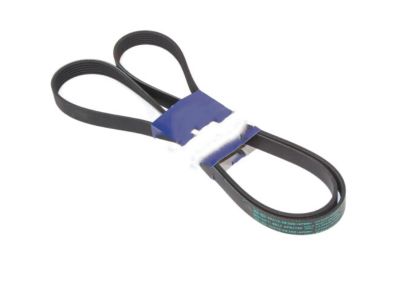

Hyundai Elantra Ribbed V-Belt
Part Number: 25212-2E300$47.35 MSRP: $65.95You Save: $18.60 (29%)Ships in 1-3 Business Days
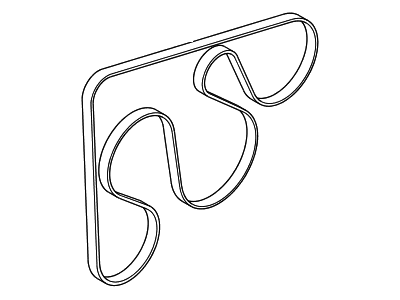
Hyundai Elantra Ribbed V-Belt
Part Number: 25212-2B720$40.69 MSRP: $56.68You Save: $15.99 (29%)Ships in 1-3 Business Days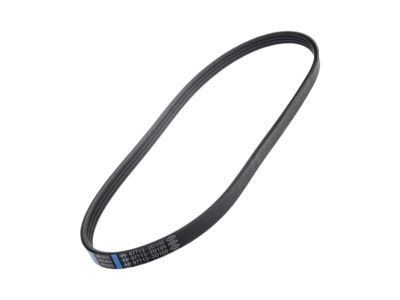
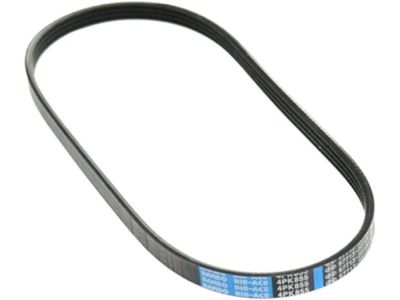

Hyundai Elantra V-Belt
Part Number: 97713-2D100$35.25 MSRP: $49.10You Save: $13.85 (29%)Ships in 1-3 Business Days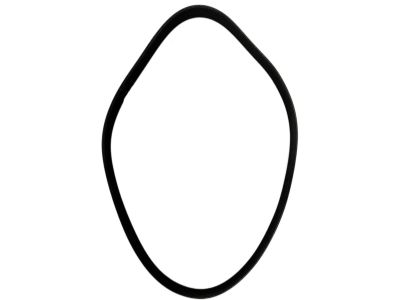
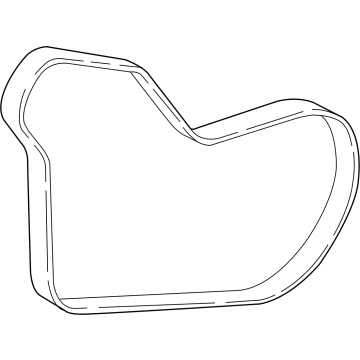

Hyundai Elantra Ribbed V-Belt
Part Number: 25212-03HA0$58.35 MSRP: $81.98You Save: $23.63 (29%)Ships in 1-2 Business Days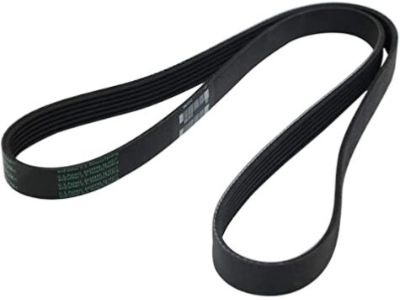
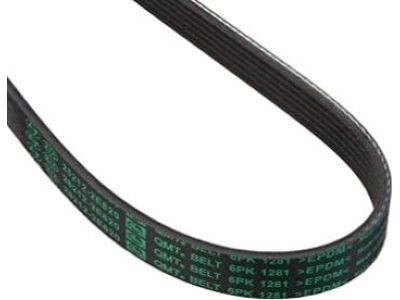

Hyundai Elantra Ribbed V-Belt
Part Number: 25212-2E820$40.69 MSRP: $56.68You Save: $15.99 (29%)Ships in 1-2 Business Days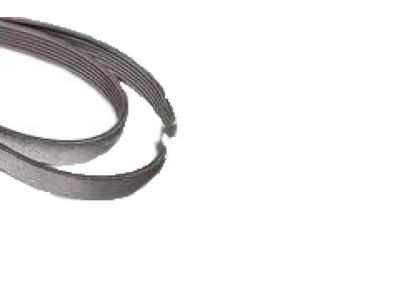
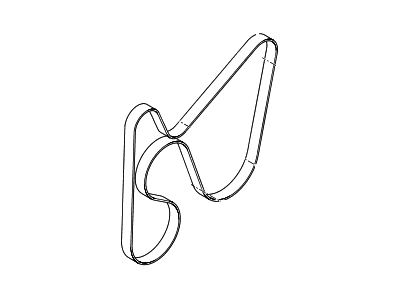

Hyundai Elantra Ribbed V-Belt
Part Number: 25212-03821$51.11 MSRP: $71.19You Save: $20.08 (29%)Ships in 1-3 Business Days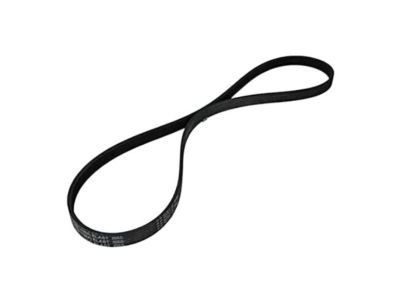
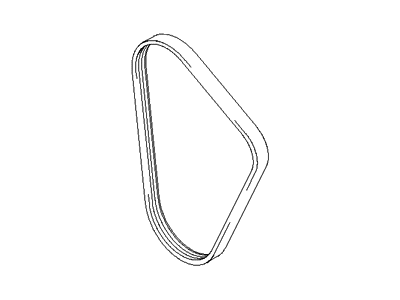

Hyundai Elantra Ribbed V-Belt
Part Number: 25212-23000$16.19 MSRP: $20.92You Save: $4.73 (23%)Ships in 1-3 Business Days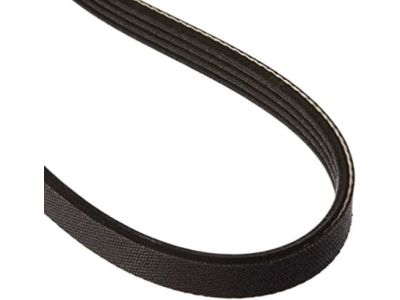
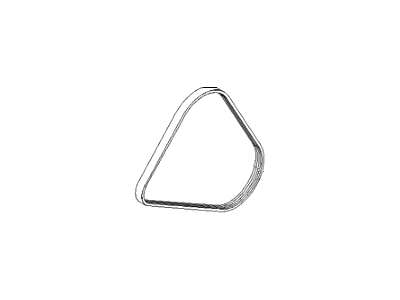

Hyundai Elantra Ribbed V-Belt
Part Number: 25212-23721$17.15 MSRP: $22.16You Save: $5.01 (23%)Ships in 1-2 Business Days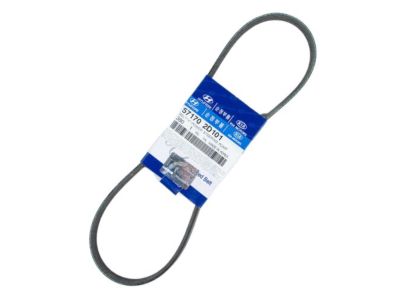
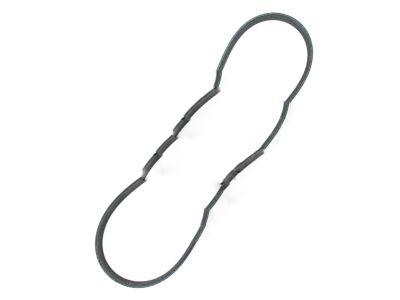
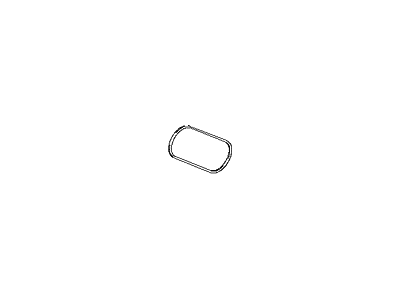

Hyundai Elantra Power Steering Pump V-Belt
Part Number: 57170-2D101$20.24 MSRP: $26.16You Save: $5.92 (23%)Ships in 1-3 Business Days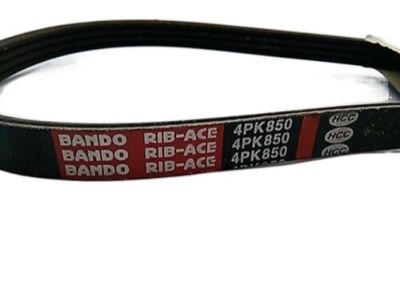
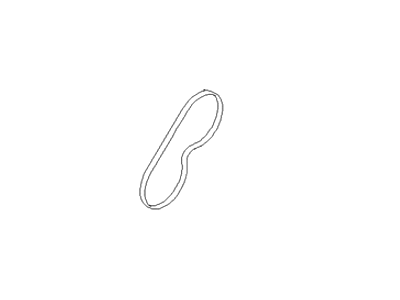
Hyundai Elantra V-Belt
Part Number: 97713-29000$39.18 MSRP: $54.56You Save: $15.38 (29%)Ships in 1-3 Business Days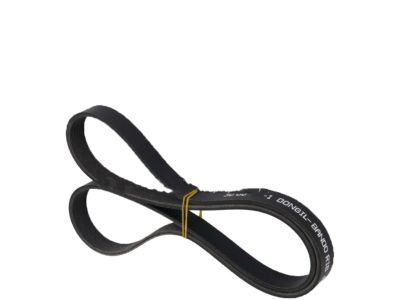
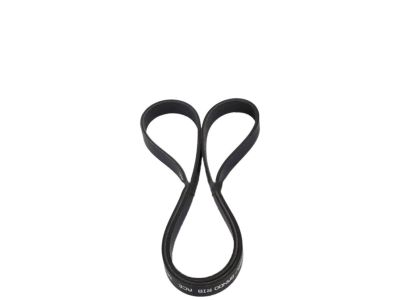
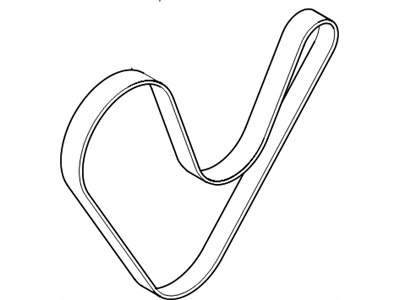

Hyundai Elantra Ribbed V-Belt
Part Number: 25212-2E020$40.69 MSRP: $56.68You Save: $15.99 (29%)Ships in 1-2 Business Days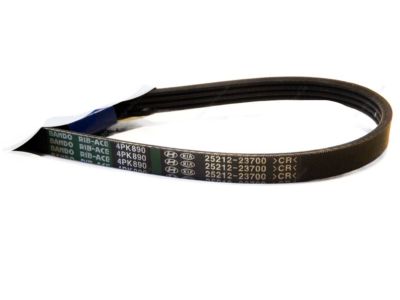
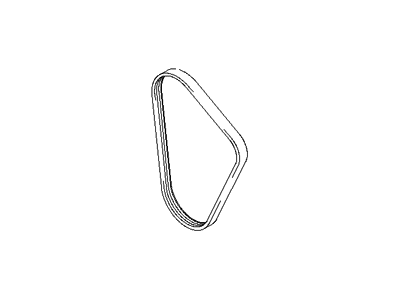

Hyundai Elantra Ribbed V-Belt
Part Number: 25212-23700$17.15 MSRP: $22.16You Save: $5.01 (23%)Ships in 1-3 Business Days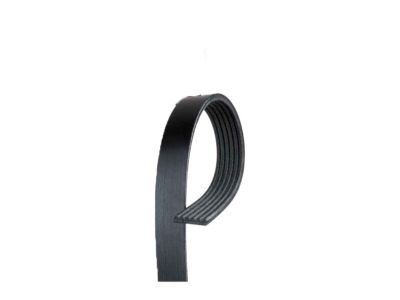
Hyundai Elantra Ribbed V-Belt
Part Number: 25212-2E720$25.97 MSRP: $36.18You Save: $10.21 (29%)Ships in 1-2 Business Days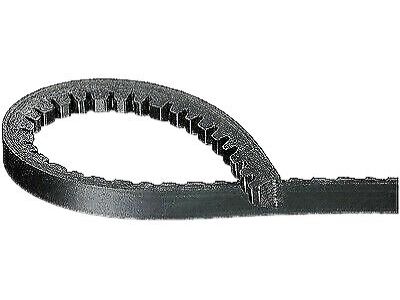
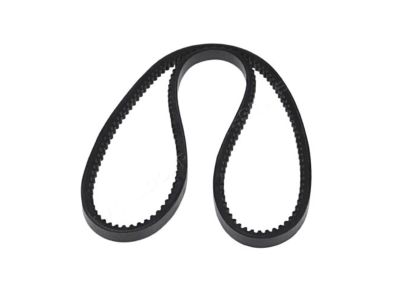

Hyundai Elantra Power Steering Pump V-Belt
Part Number: 57231-28410$9.41 MSRP: $12.16You Save: $2.75 (23%)Ships in 1-3 Business Days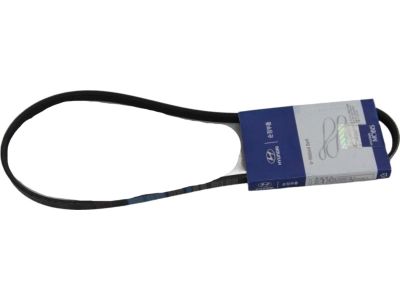
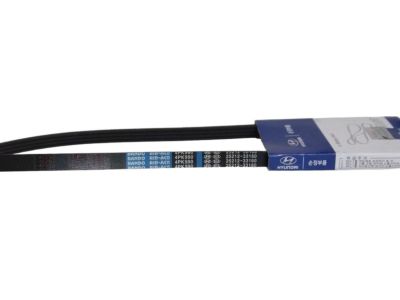

Hyundai Elantra Ribbed V-Belt
Part Number: 25212-33160$11.64 MSRP: $15.05You Save: $3.41 (23%)Ships in 1-3 Business Days

Hyundai Elantra Ribbed V-Belt
Part Number: 25212-2M000$47.35 MSRP: $65.95You Save: $18.60 (29%)Ships in 1-3 Business Days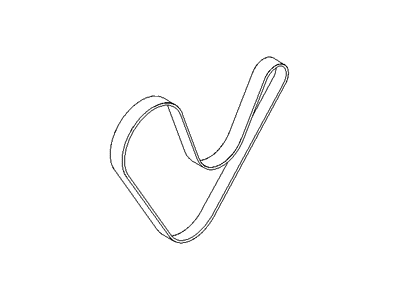

Hyundai Elantra Ribbed V-Belt
Part Number: 25212-2E830$40.69 MSRP: $56.68You Save: $15.99 (29%)Ships in 1-3 Business Days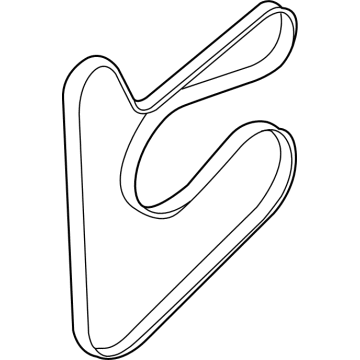

Hyundai Elantra RIBBED Belt-V
Part Number: 25212-2JTA0$46.09 MSRP: $64.19You Save: $18.10 (29%)Ships in 1-3 Business Days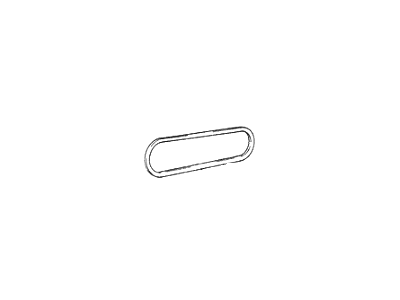

Hyundai Elantra Power Steering Pump V-Belt
Part Number: 57231-29000$11.86 MSRP: $15.32You Save: $3.46 (23%)Ships in 1-3 Business Days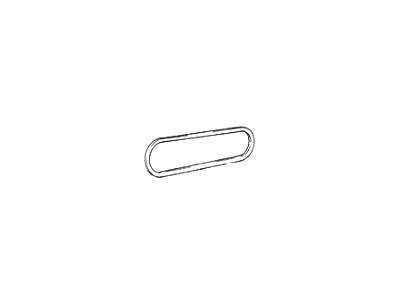
Hyundai Elantra Power Steering Pump V-Belt
Part Number: 57231-29200$9.41 MSRP: $12.16You Save: $2.75 (23%)Ships in 1-3 Business Days
| Page 1 of 2 |Next >
1-20 of 31 Results
Hyundai Elantra Drive Belt
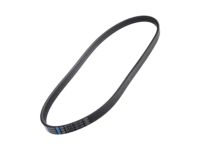
The Hyundai Elantra Drive Belt connects the engine crankshaft to vital components, allowing power steering, alternator, and air conditioning to operate with little space and fuss. Early Elantra models were in the industry tradition of using rubber V-belts, with several loops to drive the water pump, fan, and generator. Space constraints and the increasing number of components prompted Hyundai to adopt a single serpentine Drive Belt, which snakes around idler pulleys and a spring tensioner, keeping all the pieces spinning while reducing the chore of adjustment. This newer style, which is molded out of a hard-wearing, durable EPDM material, wears away by losing rib material, not by cracking, so owners assess health by rib depth and belt profile rather than by surface lines. Routine checks help Hyundai drivers spot the wear and swap the Drive Belt before unit failure. A misaligned pulley or weak tensioner can cause the Drive Belt to chirp or slip, which generates heat and reduces service life. Hyundai updates parts to ensure that every generation of Elantra enjoys the compact and efficient belt path. For special layouts, Elantra variants have also had double-sided serpentine and modern stretch Drive Belt designs, the former of which drive pulleys on both faces and the latter of which holds the tension without the use of a separate tensioner, but all serve the same basic purpose of efficient drive.
If you are looking for affordable high-quality OEM Hyundai Elantra Drive Belt, then you have come to the prime place. Our website provides a large amount of genuine Hyundai Elantra Drive Belt at unbeatable prices. All our parts come backed with the manufacturer's warranty.
Hyundai Elantra Drive Belt Parts Questions & Experts Answers
- Q:How to inspect and adjust the drive belt on a Hyundai Elantra?Posted by Caranita H.A:The drive belts are located at the front of the engine and are vital for the proper functioning of the vehicle and its parts. They wear out over time and these belts should therefore be inspected periodically and adjusted to prevent major damage to the engine. The number of belts that are required will depend on what accessories are used such as an alternator, power-steering pump, water pump or air conditioning compressor. To inspect for cracks, separation, fraying, or glazing open the hood while checking for defects on the belts. By pushing on a belt halfway between pulleys its tension can be checked. For 4"-7" spaced sheaves there should be 1/4 inch deflection while for 8"-10" spaced sheaves there should be 1/2 inch deflection. Adjustments can be made by tightening or loosening adjustment bolt at alternator, tensioner pulley bolt or through-bolt and adjuster lock bolt for power steering pump belt. The water pump and alternator belt utilize alternator adjuster lock bolt and adjuster bolt respectively. Measure the belt tension after adjustments then repeat if necessary. When replacing one's belts it is recommendable to replace all of them at once instead of buying a single one. While purchasing new ones take with you old ones so as to get correct length, width and design types.When installing a new belt make sure you have returned it in reverse order as before back onto pulleys.The extra measures may need to be taken in case of removal of engines lower splash shield raising vehicle using box end wrench to rotate tensioner in case where we have 2017 later car models with 1.4L engines.Taking off drivebelt,tensioner mounting bolts,reinstalling it back again plus installing new tensioner is what entails a replacement process for any given tensioner.It requires removing drivebelt & tensioner mounting bolts,introducing new tensioner before putting it back on.Answered by Hyundai Parts Specialist Allen / Jul 31, 2026
Related Hyundai Elantra Parts
 Hyundai Elantra Rod Bearing
 Hyundai Elantra Timing Belt
 Hyundai Elantra Timing Chain Guide
 Hyundai Elantra Timing Chain Tensioner
 Hyundai Elantra Timing Cover
 Hyundai Elantra Piston Ring Set
 Hyundai Elantra Alternator
 Hyundai Elantra Crankshaft Pulley
 Hyundai Elantra Crankshaft Gear
 Hyundai Elantra Harmonic Balancer
Browse by Year
2026 Drive Belt 2025 Drive Belt 2024 Drive Belt 2023 Drive Belt 2022 Drive Belt 2021 Drive Belt 2020 Drive Belt 2019 Drive Belt 2018 Drive Belt 2017 Drive Belt 2016 Drive Belt 2015 Drive Belt 2014 Drive Belt 2013 Drive Belt 2012 Drive Belt 2011 Drive Belt 2010 Drive Belt 2009 Drive Belt 2008 Drive Belt 2007 Drive Belt 2006 Drive Belt 2005 Drive Belt 2004 Drive Belt 2003 Drive Belt 2002 Drive Belt 2001 Drive Belt 2000 Drive Belt 1999 Drive Belt 1998 Drive Belt 1997 Drive Belt 1996 Drive Belt 1995 Drive Belt 1994 Drive Belt 1993 Drive Belt 1992 Drive Belt 1991 Drive Belt