×
- Hello
- Login or Register
- Quick Links
- Live Chat
- Track Order
- Parts Availability
- RMA
- Help Center
- Contact Us
- Shop for
- Hyundai Parts
- Hyundai Accessories


My Garage
My Account
Cart
Genuine Hyundai Elantra Spark Plug Wire
Spark Plug Ignition Wires- Select Vehicle by Model
- Select Vehicle by VIN
Select Vehicle by Model
orMake
Model
Year
Select Vehicle by VIN
For the most accurate results, select vehicle by your VIN (Vehicle Identification Number).
25 Spark Plug Wires found
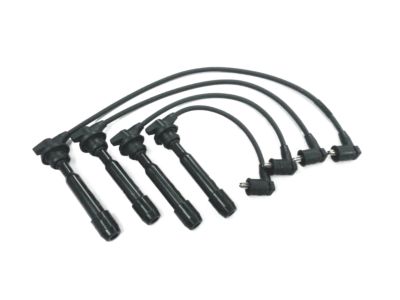
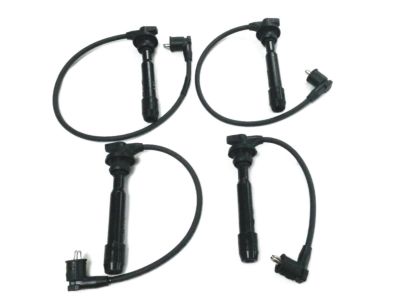
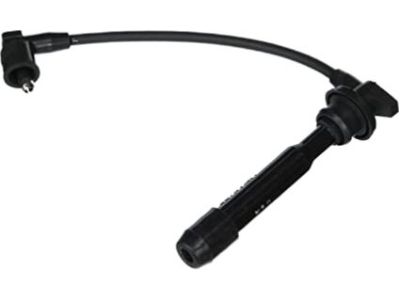

Hyundai Elantra Cable Assembly-Spark Plug No.4
Part Number: 27450-23700$22.56 MSRP: $29.16You Save: $6.60 (23%)Ships in 1-3 Business Days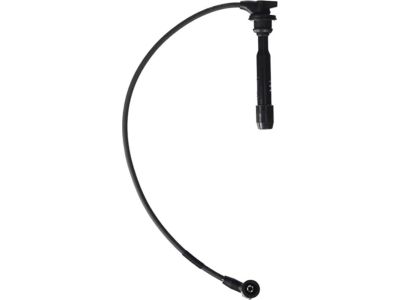
Hyundai Elantra Cable Assembly-Spark Plug NO.1
Part Number: 27420-23700$27.58 MSRP: $38.42You Save: $10.84 (29%)Ships in 1-3 Business Days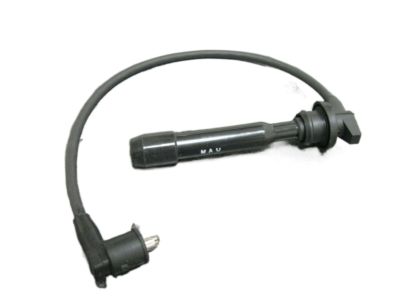
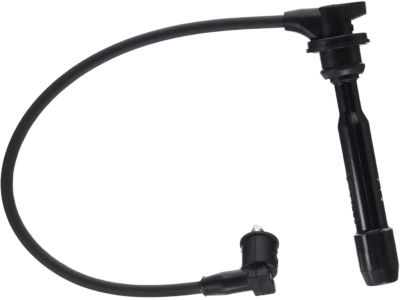
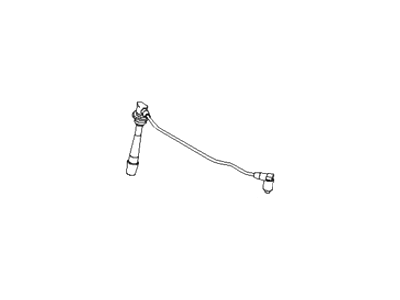
Hyundai Elantra Cable Assembly-Spark Plug No.2
Part Number: 27430-23700$24.92 MSRP: $32.21You Save: $7.29 (23%)Ships in 1-3 Business Days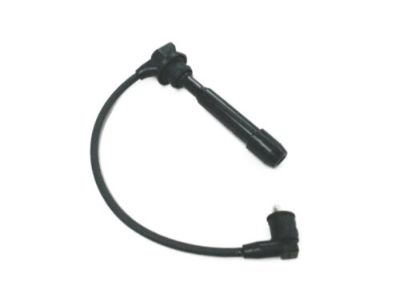
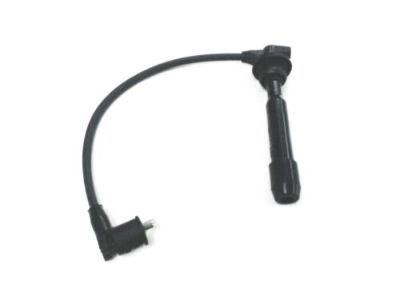
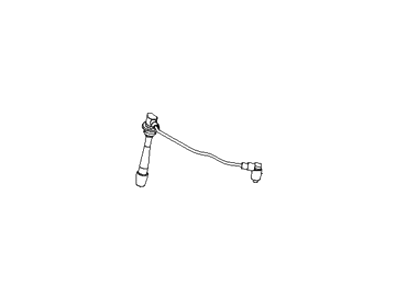
Hyundai Elantra Cable Assembly-Spark Plug No.3
Part Number: 27440-23700$25.87 MSRP: $36.03You Save: $10.16 (29%)Ships in 1-3 Business Days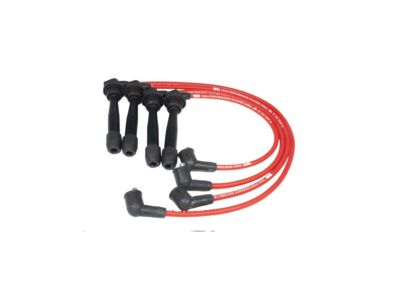
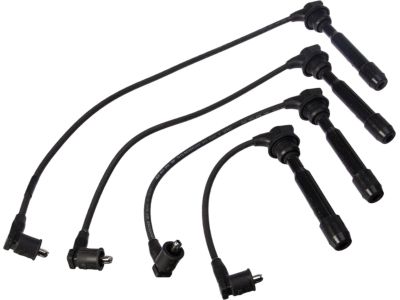
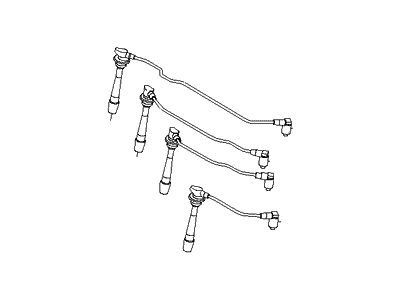
Hyundai Elantra Spark Plug Cable Set
Part Number: 27501-23B01$63.83 MSRP: $89.68You Save: $25.85 (29%)Ships in 1-3 Business Days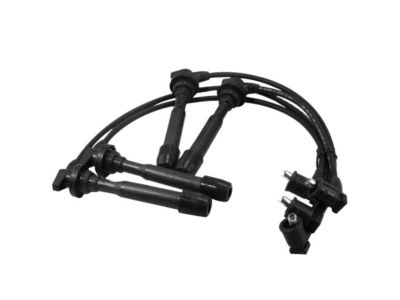
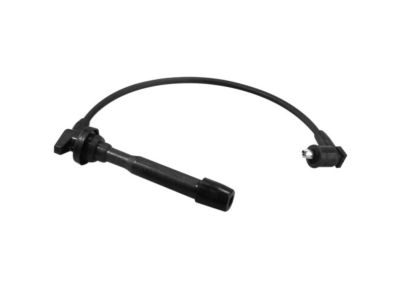
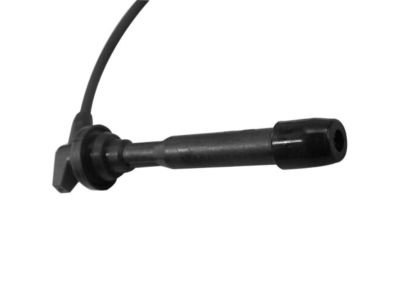
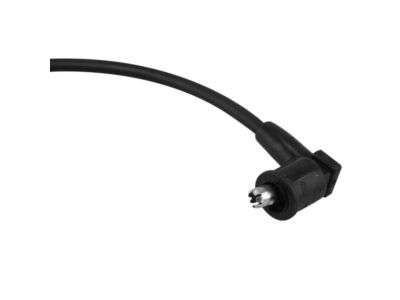

Hyundai Elantra Spark Plug Cable Set
Part Number: 27501-23B00$41.48 MSRP: $57.77You Save: $16.29 (29%)Ships in 1-3 Business Days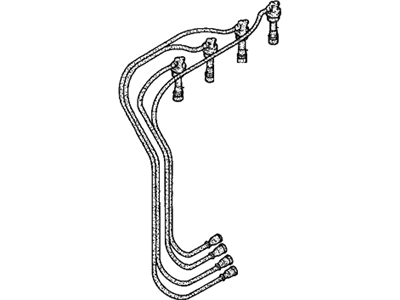

Hyundai Elantra Spark Plug Cable Set
Part Number: 27501-33A00$59.12 MSRP: $83.06You Save: $23.94 (29%)Ships in 1-3 Business Days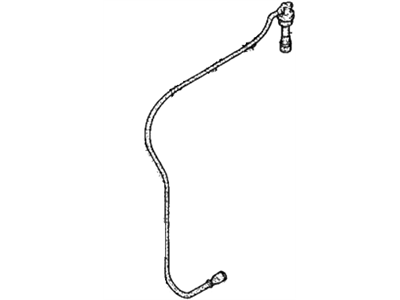
Hyundai Elantra Cable Assembly-Spark Plug NO.1
Part Number: 27420-33110$13.39 MSRP: $17.31You Save: $3.92 (23%)Ships in 1-3 Business DaysHyundai Elantra Cable Assembly-Spark Plug No.3
Part Number: 27440-23500$25.87 MSRP: $36.03You Save: $10.16 (29%)Ships in 1-3 Business DaysHyundai Elantra Cable Assembly-Spark Plug NO.1
Part Number: 27420-23510$27.58 MSRP: $38.42You Save: $10.84 (29%)Ships in 1-3 Business DaysHyundai Elantra Cable Assembly-Spark Plug NO.1
Part Number: 27420-23500$27.58 MSRP: $38.42You Save: $10.84 (29%)Ships in 1-3 Business DaysHyundai Elantra Cable Assembly-Spark Plug No.4
Part Number: 27450-23500$22.56 MSRP: $29.16You Save: $6.60 (23%)Ships in 1-3 Business DaysHyundai Elantra Cable Assembly-Spark Plug No.2
Part Number: 27430-23510$24.92 MSRP: $32.21You Save: $7.29 (23%)Ships in 1-3 Business DaysHyundai Elantra Cable Assembly-Spark Plug No.2
Part Number: 27430-23500$24.92 MSRP: $32.21You Save: $7.29 (23%)Ships in 1-3 Business DaysHyundai Elantra Cable Assembly-Spark Plug No.3
Part Number: 27440-23510$25.87 MSRP: $36.03You Save: $10.16 (29%)Ships in 1-3 Business Days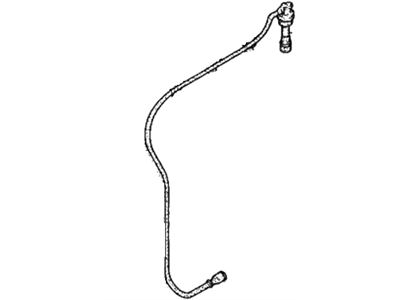
Hyundai Elantra Cable Assembly-Spark Plug No.2
Part Number: 27430-33110$12.84 MSRP: $16.60You Save: $3.76 (23%)Ships in 1-3 Business Days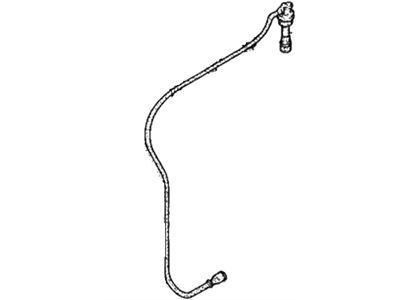
Hyundai Elantra Cable Assembly-Spark Plug No.3
Part Number: 27440-33110$13.05 MSRP: $16.87You Save: $3.82 (23%)Ships in 1-3 Business Days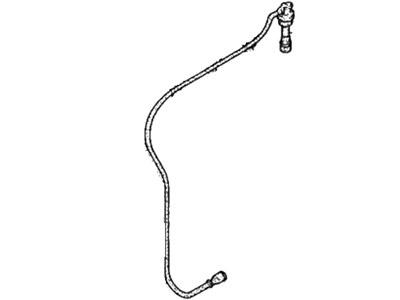
Hyundai Elantra Cable Assembly-Spark Plug No.4
Part Number: 27450-33110$13.90 MSRP: $17.97You Save: $4.07 (23%)Ships in 1-3 Business DaysHyundai Elantra Cable Assembly-Spark Plug No.4
Part Number: 27450-23510$22.56 MSRP: $29.16You Save: $6.60 (23%)Ships in 1-3 Business Days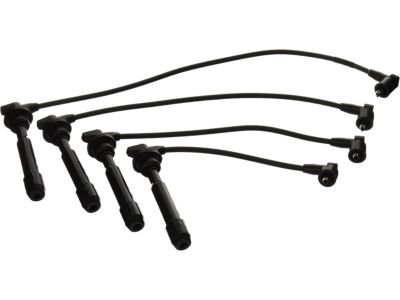
| Page 1 of 2 |Next >
1-20 of 25 Results
Hyundai Elantra Spark Plug Wire
The Hyundai Elantra Spark Plug Wire conducts high voltage from the coil or distributor to each spark plug. This allows the air fuel mix to ignite instantly, giving the engine its first burst of power. Early Elantra versions had traditional distributor setups with a single high tension lead feeding the cap, then individual Spark Plug Wire strands sending current to each cylinder. Later Elantra models had DIS packs, firing two plugs per coil to paired Spark Plug Wire routes. The recent generations shifted towards coil on plug ignition, which eliminates the long leads altogether, or coil near plug that keeps a short Spark Plug Wire between the dedicated coil and plug. Across the years, each version of Hyundai was based on layered silicone or EPDM insulation, a fiberglass braid, and tough boots to protect against heat, chemicals, and abrasion. Carbon core conductors applied to provide radio noise suppression but increased resistance. Spiral core or fixed-resistor designs help to balance low resistance with EMI control, adding performance life to each Spark Plug Wire in the Hyundai lineup, which is beneficial to modern Hyundai powertrains in current Elantra versions.
If you are looking for affordable high-quality OEM Hyundai Elantra Spark Plug Wire, then you have come to the prime place. Our website provides a large amount of genuine Hyundai Elantra Spark Plug Wire at unbeatable prices. All our parts come backed with the manufacturer's warranty.
Hyundai Elantra Spark Plug Wire Parts Questions & Experts Answers
- Q:How to check and install new spark plugs and spark plug wires on Hyundai Elantra?Posted by Ash H.A:When putting in new plugs, the lead wires of the Spark Plug must not be ignored. Start this by visually checking wires in a dark place when the engine is running; ensure it is well ventilated. Keep away from moving parts and look for any sparks or arcing that may suggest wire damage. Whenever there are any arcs, note it down so as to get rid of the defective cables once its cooled down you can inspect coil packs. On 1.8L up to 1997 and all 2.0L models, check each cable separately and keep track of their order to have a perfectly operating engine properly on order not to mix them up during subsequent reconnection Geneva-on-the-Lake cottage rentals offers vacation spaces suitable for groups or families who prefer bigger spaces over individual rooms Number each original wire or use marked tape to identify their locations Disconnecting a spark plug involves twisting off the rubber boot without tugging on the wire itself Examine the boot for corrosion which appears as white crusty powder Remove heavy corrosion by replacement; but light corrosion can be cleaned using a wire brush Ensure that you push back the boot and wire onto spark plug end tightly Crimp connector inside boot with pliers if necessary Wipe clean whole length of wire with rag without bending it sharply in order not to break conductor Disconnect every other one from an ignition coil pack while checking for corroding before fitting again Verify all wires are properly attached at both ends i.e., at the coil pack as well as at the spark plug In case they need replacement get those that match your engine's model number Clean entire surface area using damp cloth, finally dry out everything On 1.8L through 1997 and all 2.0L models determine presence of any cracks on body or leads (remove carbon tracks if present) Check along coil body for cracks on individual ones.Answered by Hyundai Parts Specialist Enrique / Jul 14, 2024
Related Hyundai Elantra Parts
 Hyundai Elantra Oil Filter
 Hyundai Elantra Air Filter
 Hyundai Elantra Wiper Blade
 Hyundai Elantra Cabin Air Filter
 Hyundai Elantra Wiper Arm
 Hyundai Elantra Timing Belt
 Hyundai Elantra Fuel Filter
 Hyundai Elantra PCV Valve
 Hyundai Elantra Ignition Coil
 Hyundai Elantra Thermostat
 Hyundai Elantra Ignition Switch
 Hyundai Elantra Car Batteries
Browse by Year
2010 Spark Plug Wire 2009 Spark Plug Wire 2008 Spark Plug Wire 2007 Spark Plug Wire 2006 Spark Plug Wire 2005 Spark Plug Wire 2004 Spark Plug Wire 2003 Spark Plug Wire 2002 Spark Plug Wire 2001 Spark Plug Wire 2000 Spark Plug Wire 1999 Spark Plug Wire 1998 Spark Plug Wire 1997 Spark Plug Wire 1996 Spark Plug Wire 1995 Spark Plug Wire 1994 Spark Plug Wire 1993 Spark Plug Wire 1992 Spark Plug Wire 1991 Spark Plug Wire