×
- Hello
- Login or Register
- Quick Links
- Live Chat
- Track Order
- Parts Availability
- RMA
- Help Center
- Contact Us
- Shop for
- Hyundai Parts
- Hyundai Accessories


My Garage
My Account
Cart
Genuine Hyundai Santa Fe Brake Master Cylinder
- Select Vehicle by Model
- Select Vehicle by VIN
Select Vehicle by Model
orMake
Model
Year
Select Vehicle by VIN
For the most accurate results, select vehicle by your VIN (Vehicle Identification Number).
8 Brake Master Cylinders found
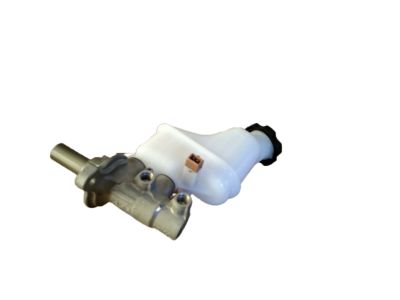
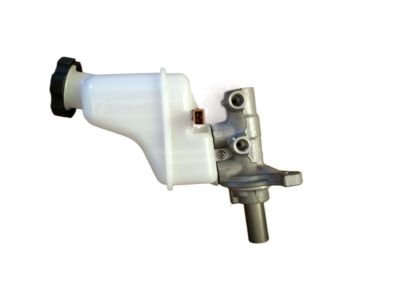
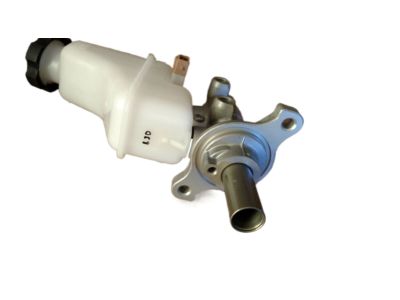
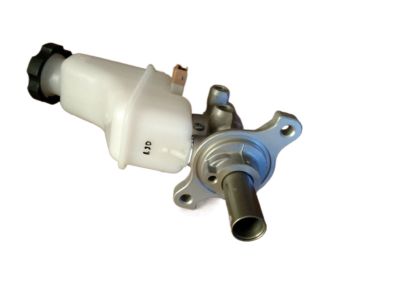
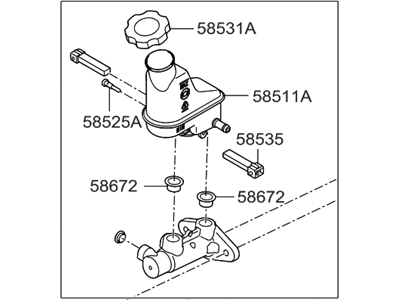

Hyundai Santa Fe Brake Master Cylinder Assembly
Part Number: 58510-1U801$372.49 MSRP: $527.94You Save: $155.45 (30%)Ships in 1-3 Business Days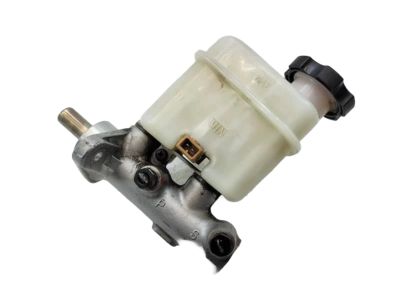
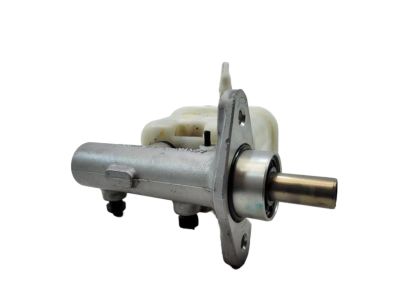
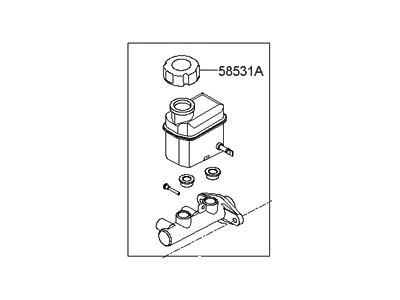

Hyundai Santa Fe Brake Master Cylinder Assembly
Part Number: 58510-2B800$396.27 MSRP: $561.65You Save: $165.38 (30%)Ships in 1-3 Business Days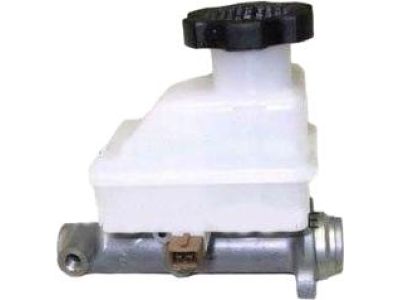
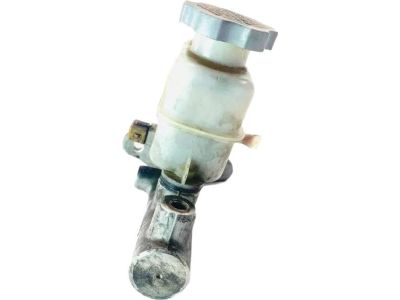
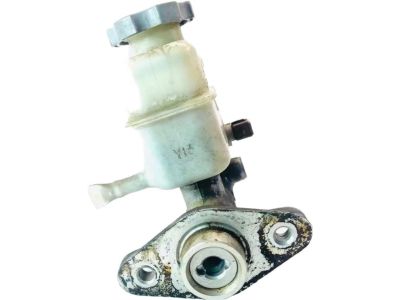
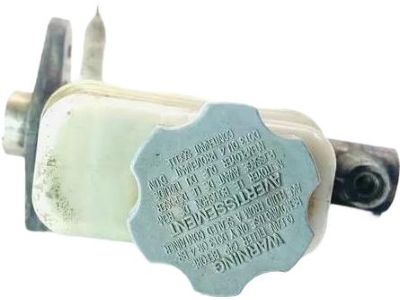
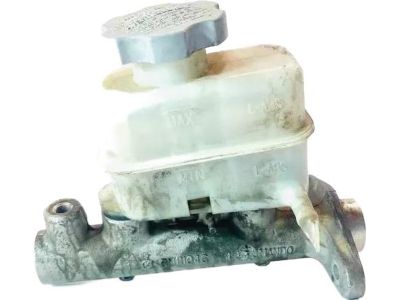
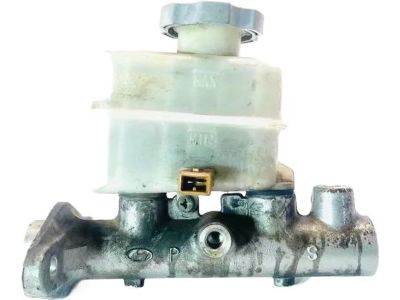
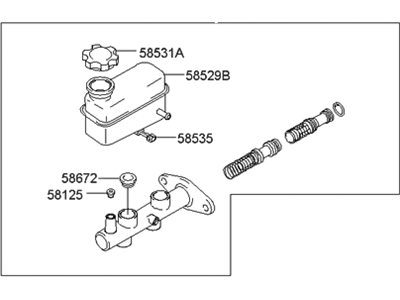

Hyundai Santa Fe Brake Master Cylinder Assembly
Part Number: 59110-26050$570.51 MSRP: $808.60You Save: $238.09 (30%)Ships in 1-3 Business Days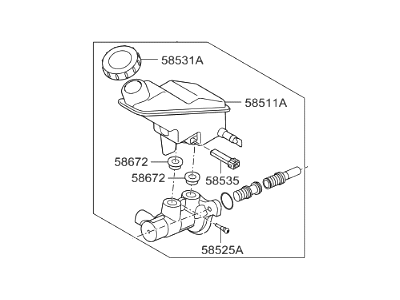

Hyundai Santa Fe Brake Master Cylinder Assembly
Part Number: 58510-2W800$372.49 MSRP: $527.94You Save: $155.45 (30%)Ships in 1-3 Business Days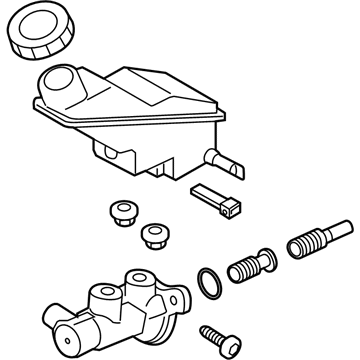

Hyundai Santa Fe Brake Master Cylinder Assembly
Part Number: 58510-S1070$409.29 MSRP: $580.10You Save: $170.81 (30%)Ships in 1-3 Business DaysHyundai Santa Fe Brake Master Cylinder Assembly
Part Number: 58510-1U701$372.49 MSRP: $527.94You Save: $155.45 (30%)Ships in 1-3 Business Days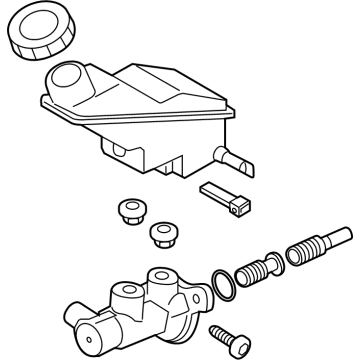

Hyundai Santa Fe Brake Master Cylinder Assembly
Part Number: 58510-R5000$325.00 MSRP: $456.61You Save: $131.61 (29%)Ships in 1-3 Business DaysHyundai Santa Fe Brake Master Cylinder Assembly
Part Number: 59110-26000$570.51 MSRP: $808.60You Save: $238.09 (30%)Ships in 1-3 Business Days
Hyundai Santa Fe Brake Master Cylinder
The Brake Master Cylinder of the Hyundai Santa Fe converts the force applied to the pedal into hydraulic pressure. The Brake Master Cylinder applies consistent pressure to the brake pads. The vehicle confidently stops this way. Twin pistons ride on springs and seals inside a cast aluminum or traditional cast iron housing. When the driver presses the pedal, a pushrod moves them forward to pressurize fluid. When the driver releases the pedal, the pistons return to their original position because of a return spring. The Brake Master Cylinder on every one of these Santa Fe models has a dual circuit design mandated by safety since the late sixties. One circuit can lose pressure, but the other will still clamp the brakes enough to stop the vehicle. Older Hyundai vehicles sometimes featured an integral metal reservoir with a single bail-held cap. However, for the present version, the Brake Master Cylinder is now paired with a separate plastic reservoir. This is sealed, as usual, by O-rings with a threaded cap. Thus, it is easier to check and top up the fluid. The two styles install at the firewall ahead of the vacuum booster, which keeps the Brake Master Cylinder close to the pedal for crisp response. The diagonal split hydraulic lines in Hyundai allow a Santa Fe to not miss all the braking force even if a wheel cylinder or hose gets compromised, but it still needs to be repaired immediately to keep driving safe.
If you are looking for affordable high-quality OEM Hyundai Santa Fe Brake Master Cylinder, then you have come to the prime place. Our website provides a large amount of genuine Hyundai Santa Fe Brake Master Cylinder at unbeatable prices. All our parts come backed with the manufacturer's warranty.
Hyundai Santa Fe Brake Master Cylinder Parts Questions & Experts Answers
- Q:How to remove and install the Brake Master Cylinder on Hyundai Santa Fe?Posted by Banty P.A:Before disconnecting it, ensure that no painted parts of the car come into contact with the brake fluid by wearing gloves or a mask, ensure that any droppings are cleaned with water as soon as they occur. Start by taking out the air filter housing and air intake duct, next after you fill the syringe with fluid, try to squeeze it as much as you can into the reservoir. There is an electrical connector for brake fluid level warning switch that has to be disconnected as the fittings will be weeping; dial rags must be placed under the fittings while one has to prepare caps or plastic bags for the ends of the line in preparation of their disconnection. Release the nuts screwed on the ends of the Brake Lines that feed the Brake Master Cylinder using a flare-nut wrench in order not to round the flats. It is also advisable to carry the brake lines very gingerly and apply a stopper at the end to minimize on dirt. Unbolt the Brake Master Cylinder from the power booster by releasing the nuts and pulling it off the studs without spilling the fluid and braking lines bending. If this is impossible, cut brake lines that go to the ABS actuator if they have to be relocated to clear the working area. For installation, bench bleed the new Brake Master Cylinder with the help of the mounting arrangements where the Brake Master Cylinder is mounted on a vise and bleeder tubes are connected to the outlet ports. Add the advised brake fluid in the reservoir and slightly press down the pistons into the Brake Master Cylinder to make bubbles come out of the reservoir, up to the point that there is no bubble present at all. The next step after availing the bleed tubes is to fit plugs on the available ports and thereafter fit a cover to the reservoir together with the Brake Master Cylinder, just by screwing the studs fitted on the power Brake Booster without tightening the nuts until the fingers are used in tightening them merely. Slide the brake line fittings over the Brake Master Cylinder; it is vital that they be positioned in a manner which will not strip threads, then tighten the threads and mountings on both line fittings and the Brake Master Cylinder. Add fluid to the Brake Master Cylinder reservoir and depressurize both the Brake Master Cylinder and brake system by having an assistant press the brake pedal while the fitting nut is opened to come off the brake fluid. If the Brake Master Cylinder-to-ABS actuator brake lines had been disconnected, bleed the brake lines at the ABS control unit also. Last but not the least, installation process is the opposite of the removal process, and it is recommended to exercise maximum caution while checking the functionality of the brake system for actual use. In the case of brake system efficiency issues in vehicles with ABS, it is recommended to address the issue to an expert to perform proper bleeding with the scan tool.Answered by Hyundai Parts Specialist Allen / Apr 29, 2026
Related Hyundai Santa Fe Parts
 Hyundai Santa Fe Brake Proportioning Valve
 Hyundai Santa Fe Brake Fluid Pump
 Hyundai Santa Fe Brake Fluid Level Sensor
 Hyundai Santa Fe Master Cylinder Repair Kit
 Hyundai Santa Fe Brake Booster
Browse by Year
2026 Brake Master Cylinder 2025 Brake Master Cylinder 2024 Brake Master Cylinder 2023 Brake Master Cylinder 2022 Brake Master Cylinder 2021 Brake Master Cylinder 2020 Brake Master Cylinder 2019 Brake Master Cylinder 2018 Brake Master Cylinder 2017 Brake Master Cylinder 2016 Brake Master Cylinder 2015 Brake Master Cylinder 2014 Brake Master Cylinder 2013 Brake Master Cylinder 2012 Brake Master Cylinder 2011 Brake Master Cylinder 2010 Brake Master Cylinder 2009 Brake Master Cylinder 2008 Brake Master Cylinder 2007 Brake Master Cylinder 2006 Brake Master Cylinder 2005 Brake Master Cylinder 2004 Brake Master Cylinder 2003 Brake Master Cylinder 2002 Brake Master Cylinder 2001 Brake Master Cylinder 2000 Brake Master Cylinder