×
- Hello
- Login or Register
- Quick Links
- Live Chat
- Track Order
- Parts Availability
- RMA
- Help Center
- Contact Us
- Shop for
- Hyundai Parts
- Hyundai Accessories


My Garage
My Account
Cart
Genuine Hyundai Sonata Clutch Disc
Friction Disc- Select Vehicle by Model
- Select Vehicle by VIN
Select Vehicle by Model
orMake
Model
Year
Select Vehicle by VIN
For the most accurate results, select vehicle by your VIN (Vehicle Identification Number).
29 Clutch Discs found
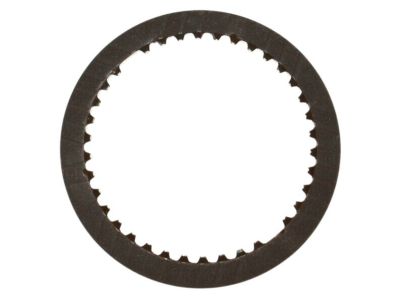

Hyundai Sonata Disc Assembly-Clutch,Rear
Part Number: 45449-22760$33.86 MSRP: $47.16You Save: $13.30 (29%)Ships in 1-3 Business Days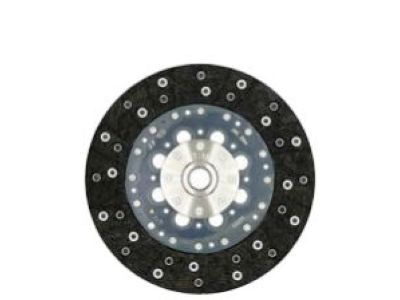
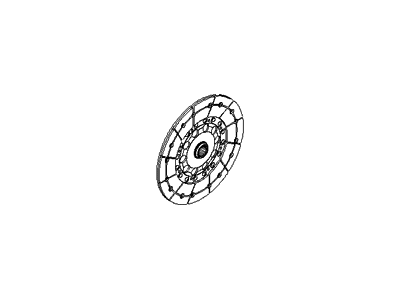

Hyundai Sonata Clutch Disc Assembly
Part Number: 41100-24520$319.99 MSRP: $449.58You Save: $129.59 (29%)Ships in 1-3 Business Days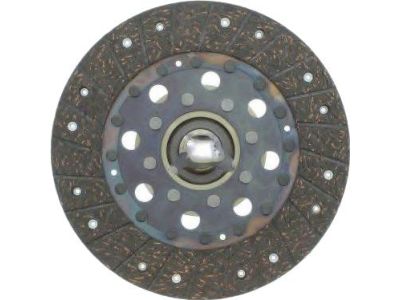

Hyundai Sonata Clutch Disc Assembly
Part Number: 41100-39120$114.25 MSRP: $160.52You Save: $46.27 (29%)Ships in 1-3 Business Days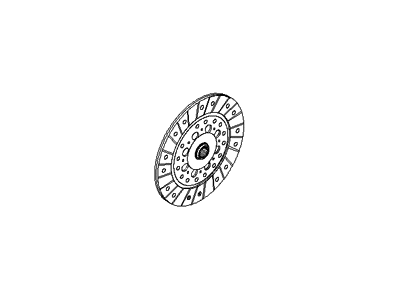

Hyundai Sonata Clutch Disc Assembly
Part Number: 41100-24560$319.99 MSRP: $449.58You Save: $129.59 (29%)Ships in 1-3 Business Days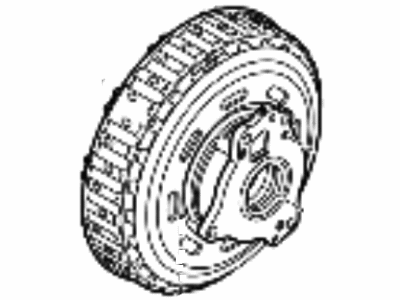

Hyundai Sonata CLUTCH ASSY-DOUBLE
Part Number: 41000-2N610$868.97 MSRP: $1242.52You Save: $373.55 (31%)Ships in 1-2 Business Days
Hyundai Sonata Disc Assembly-Clutch,Front
Part Number: 45473-28060$26.63 MSRP: $37.10You Save: $10.47 (29%)Ships in 1-3 Business Days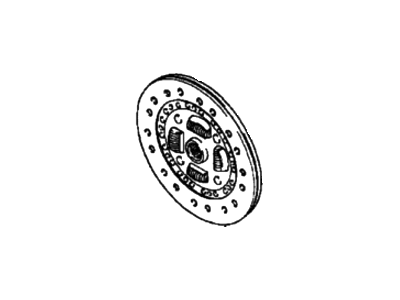

Hyundai Sonata Clutch Disc Assembly
Part Number: 41100-34020$167.24 MSRP: $234.97You Save: $67.73 (29%)Ships in 1-3 Business Days
Hyundai Sonata Clutch Disc Assembly
Part Number: 45560-37060$23.39 MSRP: $32.58You Save: $9.19 (29%)Ships in 1-3 Business Days
Hyundai Sonata Disc Assembly-Clutch,Rear
Part Number: 45449-28060$23.53 MSRP: $32.77You Save: $9.24 (29%)Ships in 1-3 Business Days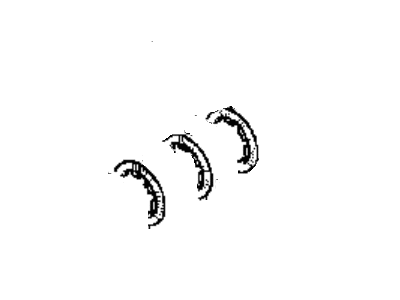

Hyundai Sonata Clutch Disc Assembly
Part Number: 45473-36061$27.13 MSRP: $37.79You Save: $10.66 (29%)Ships in 1-3 Business Days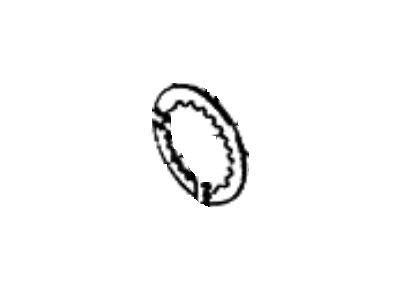
Hyundai Sonata Clutch Disc Assembly
Part Number: 45473-36060$27.13 MSRP: $37.79You Save: $10.66 (29%)Ships in 1-3 Business DaysHyundai Sonata Clutch Disc Assembly
Part Number: 45473-36000$27.13 MSRP: $37.79You Save: $10.66 (29%)Ships in 1-3 Business DaysHyundai Sonata Disc Assembly-Clutch,Rear
Part Number: 45449-22770$29.11 MSRP: $40.55You Save: $11.44 (29%)Ships in 1-3 Business Days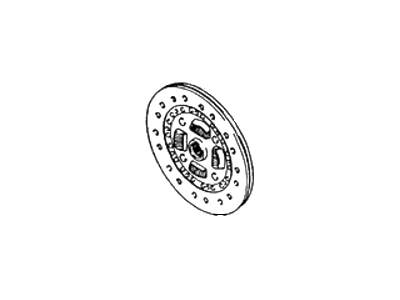
Hyundai Sonata Clutch Disc Assembly
Part Number: 41100-37300$164.75 MSRP: $231.47You Save: $66.72 (29%)Ships in 1-3 Business DaysHyundai Sonata Clutch Disc Assembly
Part Number: 41100-37020$164.75 MSRP: $231.47You Save: $66.72 (29%)Ships in 1-3 Business Days
Hyundai Sonata Clutch Disc Assembly
Part Number: 41100-37010$164.75 MSRP: $231.47You Save: $66.72 (29%)Ships in 1-3 Business DaysHyundai Sonata Clutch Disc Assembly
Part Number: 41100-37000$164.75 MSRP: $231.47You Save: $66.72 (29%)Ships in 1-3 Business Days

Hyundai Sonata Clutch Disc Assembly
Part Number: 41100-39020$202.20 MSRP: $284.08You Save: $81.88 (29%)Ships in 1-3 Business Days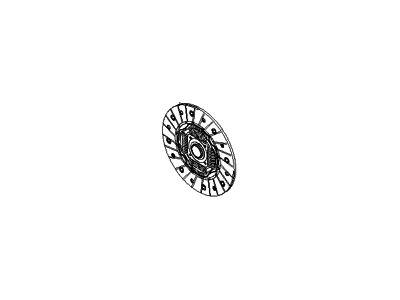
Hyundai Sonata Clutch Disc Assembly
Part Number: 41100-39140$226.68 MSRP: $318.48You Save: $91.80 (29%)Ships in 1-3 Business DaysHyundai Sonata Clutch Disc Assembly
Part Number: 41100-39030$232.63 MSRP: $326.84You Save: $94.21 (29%)Ships in 1-3 Business Days
| Page 1 of 2 |Next >
1-20 of 29 Results
Hyundai Sonata Clutch Disc
In Hyundai Sonata vehicles the Clutch Disc operates as a vital component by linking the engine to the transmission input shaft to enable fluent gear change operations. The Clutch Disc includes friction material on both ends to connect with the flywheel and pressure plate for power transmission between these components. A push on the clutch pedal creates separation between pressure plate and disc thus enabling users to change gears. During clutch pedal release the disc components reconnect to fully transmit power. The production of Hyundai Sonata Clutch Disc has progressed through multiple development phases which integrated four distinct materials including organic material and ceramic material and kevlar material and metallic material. The driving public mainly uses organic discs for their standard models but performance enthusiasts select ceramic discs because of their excellent heat tolerance. Specific Hyundai Sonata Clutch Disc contain either rigid or sprung connector hubs which deliver shock reduction for more smooth operation. Wear requires regular maintenance since it will generate both operational problems and slippage together.
If you are looking for affordable high-quality OEM Hyundai Sonata Clutch Disc, then you have come to the prime place. Our website provides a large amount of genuine Hyundai Sonata Clutch Disc at unbeatable prices. All our parts come backed with the manufacturer's warranty.
Hyundai Sonata Clutch Disc Parts Questions & Experts Answers
- Q:How to remove the Clutch Disc and Release Bearing on Hyundai Sonata?Posted by Cristine D.A:In general, clutch parts usually cannot be accessed without the disassembling of the transaxle. If the engine is undergoing major surgery, one should always look at the clutch for signs of wear and while parts are available, relatively cheap, it is better to replace them here if they are not new, even if they seemingly have life left in them. First, support the rear of the car and then unbolt the transaxle with the help of an engine lift or a hoist from above, or if a jack is used, put wooden spacers between the jack and the oil sump to avoid the stress on the oil pump pickup located right on the bottom of the pan. Meanwhile, with TCity the clutch fork can stay affixed to the bellhousing. For any 2005 and earlier models, locate the release bearing, turn it to your right so that you see its snap ring; engage it with the snap ring pliers; press down on the release bearing to open the snap ring; and finally, pull out the release bearing. For all models, the flywheel and clutch have to be checked for the indexing marks; it can be marked in case they are not present for the proper alignment on assembling. Place a clutch alignment tool through the disc into the pilot bushing as a support for the disc then turn off the pressure plate to flywheel bolts in a diagonal sequence, remove the bolts thus removing the pressure plate and clutch disc. During inspection, cracks and any defects on the flywheel should be seen, and if at all the surface seems to have some small imperfections, a machine shop can center the flywheel. Check pilot bushing for its position within the clutch assembly and thickness of the lining of the clutch disc for signs of wear or damage. The release bearing should be replaced together with the clutch disc and the pressure plate should be checked for wear or damages and changed if necessary. The bearings of the flywheel and pressure plate should first be cleaned, the disc properly placed on the flywheel, the alignment key inserted to secure the disc in place, then place the pressure plate and align it with any marks made earlier. Bolt them in an orderly fashion in a zig zag manner until they are slightly tight then apply the correct torque on them. Last but not the least, as part of the installation, reverse the removal process essentially, to complete the process.Answered by Hyundai Parts Specialist Mike / Mar 15, 2026
Related Hyundai Sonata Parts
 Hyundai Sonata Clutch Fork
 Hyundai Sonata Clutch Slave Cylinder
 Hyundai Sonata Release Bearing
 Hyundai Sonata Clutch Master Cylinder
 Hyundai Sonata Pilot Bearing
 Hyundai Sonata Clutch Master Repair Kit
Browse by Year
2026 Clutch Disc 2025 Clutch Disc 2024 Clutch Disc 2023 Clutch Disc 2014 Clutch Disc 2013 Clutch Disc 2012 Clutch Disc 2011 Clutch Disc 2010 Clutch Disc 2009 Clutch Disc 2008 Clutch Disc 2007 Clutch Disc 2005 Clutch Disc 2004 Clutch Disc 2003 Clutch Disc 2002 Clutch Disc 2001 Clutch Disc 2000 Clutch Disc 1999 Clutch Disc 1998 Clutch Disc 1997 Clutch Disc 1996 Clutch Disc 1995 Clutch Disc 1994 Clutch Disc 1993 Clutch Disc 1992 Clutch Disc 1991 Clutch Disc 1990 Clutch Disc 1989 Clutch Disc 1988 Clutch Disc