×
- Hello
- Login or Register
- Quick Links
- Live Chat
- Track Order
- Parts Availability
- RMA
- Help Center
- Contact Us
- Shop for
- Hyundai Parts
- Hyundai Accessories


My Garage
My Account
Cart
Genuine Hyundai Sonata Release Bearing
Clutch Release Throw Out Bearing- Select Vehicle by Model
- Select Vehicle by VIN
Select Vehicle by Model
orMake
Model
Year
Select Vehicle by VIN
For the most accurate results, select vehicle by your VIN (Vehicle Identification Number).
4 Release Bearings found
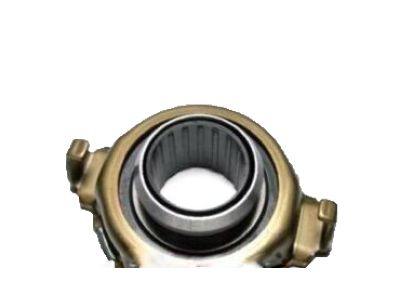

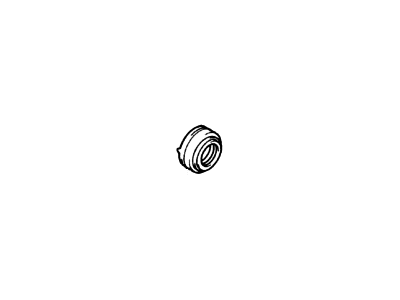
Hyundai Sonata Bearing-Clutch Release
Part Number: 41421-39000$113.77 MSRP: $159.84You Save: $46.07 (29%)Ships in 1-3 Business Days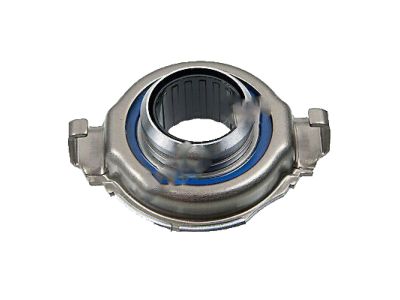
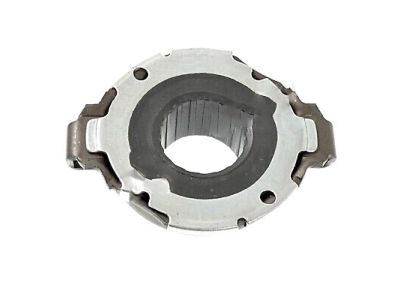

Hyundai Sonata Bearing-Clutch Release
Part Number: 41421-28020$113.77 MSRP: $159.84You Save: $46.07 (29%)Ships in 1-3 Business Days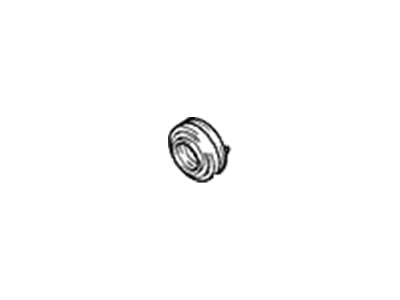

Hyundai Sonata Bearing-Clutch Release
Part Number: 41421-36000$57.43 MSRP: $79.98You Save: $22.55 (29%)Ships in 1-3 Business Days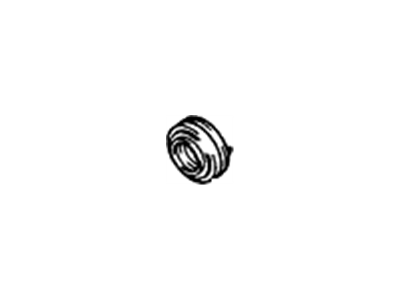

Hyundai Sonata Release Bearing
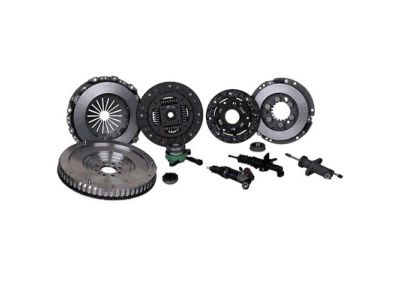
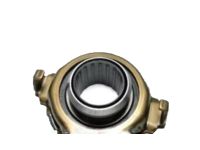
Hyundai Sonata Release Bearing is at the center of the clutch system. Its primary function is to resist the pressure plate when the driver presses the pedal to stop the flow of power and change gears smoothly. Located on the clutch housing, the Release Bearing slides on a hollow shaft and is moved by the clutch fork through either a hydraulic or a cable setup, allowing the disc to reengage the moment the pedal is lifted. Inside each Sonata clutch pack, the Release Bearing rides on the clutch spring and must remain well lubricated in order to move freely. Across model years, Hyundai stuck to one robust radial-roller style Release Bearing, with only differences in whether the force was delivered by hydraulic lines or a cable, meaning that the bearing itself is almost unchanged. For Hyundai owners, when you notice such trouble signs as rattling, pedal vibration, stiff engagement, or gear grinding, it means the Release Bearing is wearing out and may soon damage other clutch components. Regular, smooth pedal work will help the bearing last many miles, but dirt, misadjusted cables, or harsh driving will eventually cause the bearing to fail, so timely replacement is vital for every Sonata driver.
If you are looking for affordable high-quality OEM Hyundai Sonata Release Bearing, then you have come to the prime place. Our website provides a large amount of genuine Hyundai Sonata Release Bearing at unbeatable prices. All our parts come backed with the manufacturer's warranty.
Hyundai Sonata Release Bearing Parts Questions & Experts Answers
- Q: How to remove, inspect, and insatall the transaxle and release bearing on Hyundai Sonata?A:For models manufactured from 1999 to 2005, to extract the transaxle from the car, first, release the bearing of the pressure plate. To take the bearing apart for inspection, grab the center while pushing and rotating the outside; if it feels stiff or is noisy, swap it. Bearing should be cleaned with a rag and examined for signs of damage, wear, and cracks without going through the immersion in a solvent since it has a permanent seal. This way, scrupulously observe the condition of the release fork and its possible damages, and ensure that the snap-ring is securely installed. To install the release bearing, coat the interior of the bearing and the fork fingers/taper bush area with high-temperature grease and the bearing should be positioned on the input shaft of the transaxle such that it fits into the fork fingers and apply high-temperature grease on the input shaft. For the models that are previous 2005, lift the transaxle and place it adjacent to the engine, then fit the release lever to the fork shaft, hook it to the release cylinder with the clevis pin and then use cotter pin, fasten the transaxle to the engine using bolts. After releasing the take-up lever from the release cylinder, rotate it about 16 degrees away from the release cylinder, and listen for a click from the snap-ring; if it doesn't lock the assembly into place, do it again. It is intended that as a result of normal use the release lever should be capable of moving not more than 3 degrees in direction. If everything is in order with the bearing its position on the pressure plate should be correspondingly determined. In case of models from 2006 and later, both release bearing and the transaxle have to be assembled to the engine in the normal way as the process of installation is the reversing of the removal procedure.
Related Hyundai Sonata Parts
 Hyundai Sonata Clutch Disc
 Hyundai Sonata Clutch Fork
 Hyundai Sonata Clutch Slave Cylinder
 Hyundai Sonata Clutch Master Cylinder
 Hyundai Sonata Pilot Bearing
 Hyundai Sonata Clutch Master Repair Kit
Browse by Year
2005 Release Bearing 2004 Release Bearing 2003 Release Bearing 2002 Release Bearing 2001 Release Bearing 2000 Release Bearing 1999 Release Bearing 1998 Release Bearing 1997 Release Bearing 1996 Release Bearing 1995 Release Bearing 1994 Release Bearing 1993 Release Bearing 1992 Release Bearing 1991 Release Bearing 1990 Release Bearing 1989 Release Bearing 1988 Release Bearing