×
- Hello
- Login or Register
- Quick Links
- Live Chat
- Track Order
- Parts Availability
- RMA
- Help Center
- Contact Us
- Shop for
- Hyundai Parts
- Hyundai Accessories


My Garage
My Account
Cart
Genuine 2017 Hyundai Elantra Crankshaft
Crank Shaft- Select Vehicle by Model
- Select Vehicle by VIN
Select Vehicle by Model
orMake
Model
Year
Select Vehicle by VIN
For the most accurate results, select vehicle by your VIN (Vehicle Identification Number).
11 Crankshafts found
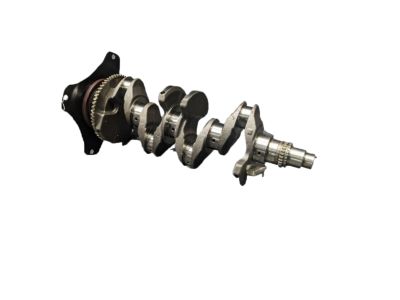
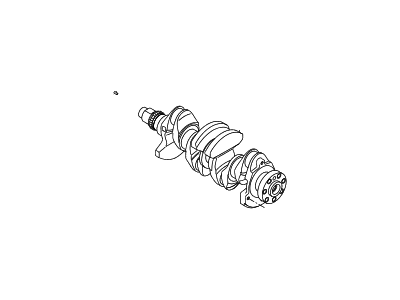

2017 Hyundai Elantra Crankshaft Assembly
Part Number: 23110-2E510$578.01 MSRP: $819.23You Save: $241.22 (30%)Ships in 1-3 Business DaysProduct Specifications- Part Code: 23110
- Item Weight: 31.40 Pounds
- Item Dimensions: 28.2 x 13.7 x 8.8 inches
- Condition: New
- Fitment Type: Direct Replacement
- SKU: 23110-2E510
- Warranty: This genuine part is guaranteed by Hyundai's factory warranty.
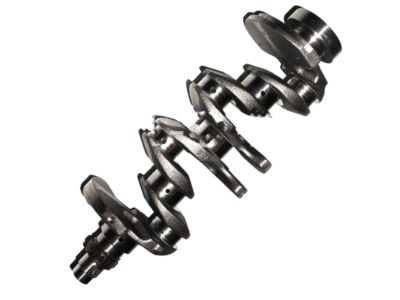
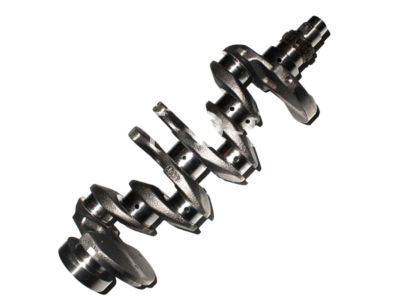
2017 Hyundai Elantra Crankshaft Assembly
Part Number: 23110-2E501$595.94 MSRP: $844.63You Save: $248.69 (30%)Ships in 1-3 Business DaysProduct Specifications- Part Code: 23110
- Item Weight: 38.50 Pounds
- Item Dimensions: 23.2 x 10.2 x 8.3 inches
- Condition: New
- Fitment Type: Direct Replacement
- SKU: 23110-2E501
- Warranty: This genuine part is guaranteed by Hyundai's factory warranty.
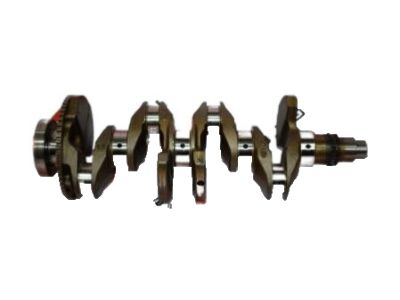
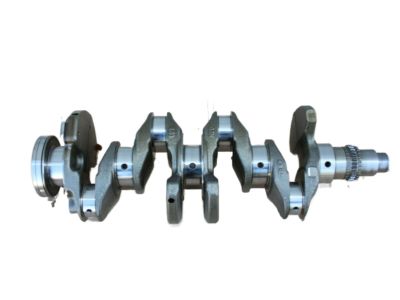
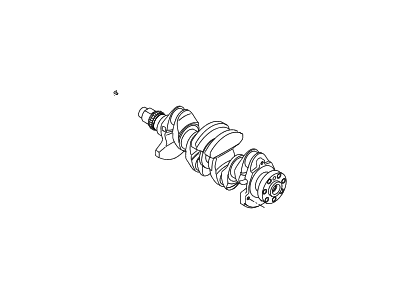

2017 Hyundai Elantra Crankshaft Assembly
Part Number: 23110-2E810$961.97 MSRP: $1375.50You Save: $413.53 (31%)Ships in 1-3 Business DaysProduct Specifications- Replaced by: 90ZN6-2EX00
- Part Code: 23110
- Item Weight: 32.10 Pounds
- Item Dimensions: 25.4 x 12.2 x 9.1 inches
- Condition: New
- Fitment Type: Direct Replacement
- SKU: 23110-2E810
- Warranty: This genuine part is guaranteed by Hyundai's factory warranty.
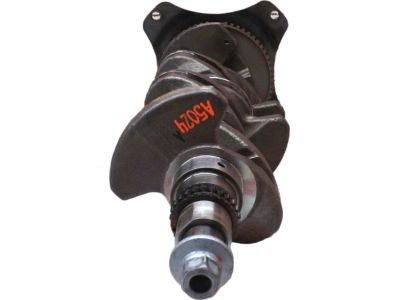
2017 Hyundai Elantra Crankshaft Assembly
Part Number: 23110-2E801$961.97 MSRP: $1375.50You Save: $413.53 (31%)Ships in 1-2 Business DaysProduct Specifications- Replaced by: 90ZN6-2EX00
- Part Code: 23110
- Item Weight: 40.80 Pounds
- Item Dimensions: 29.1 x 14.0 x 8.7 inches
- Condition: New
- Fitment Type: Direct Replacement
- SKU: 23110-2E801
- Warranty: This genuine part is guaranteed by Hyundai's factory warranty.
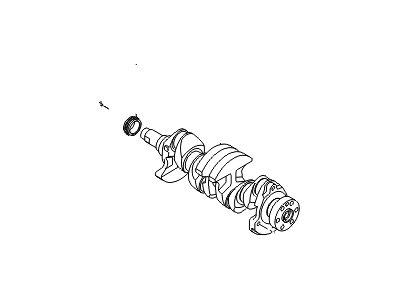

2017 Hyundai Elantra Crankshaft Assembly
Part Number: 23110-2B710$1061.06 MSRP: $1517.19You Save: $456.13 (31%)Ships in 1-3 Business DaysProduct Specifications- Other Name: Crankshaft
- Part Code: 23110
- Item Weight: 44.90 Pounds
- Item Dimensions: 28.2 x 14.1 x 8.7 inches
- Condition: New
- Fitment Type: Direct Replacement
- SKU: 23110-2B710
- Warranty: This genuine part is guaranteed by Hyundai's factory warranty.

2017 Hyundai Elantra Crankshaft Assembly
Part Number: 605N6-2BU00$1074.39 MSRP: $1536.24You Save: $461.85 (31%)Ships in 1-3 Business DaysProduct Specifications- Part Code: 23110
- Item Weight: 48.20 Pounds
- Item Dimensions: 28.5 x 14.0 x 8.7 inches
- Condition: New
- Fitment Type: Direct Replacement
- SKU: 605N6-2BU00
- Warranty: This genuine part is guaranteed by Hyundai's factory warranty.
2017 Hyundai Elantra Crankshaft Assembly
Part Number: RC895-2EW00$757.54 MSRP: $1083.19You Save: $325.65 (31%)Ships in 1-3 Business DaysProduct Specifications- Part Code: 23110
- Condition: New
- Fitment Type: Direct Replacement
- SKU: RC895-2EW00
- Warranty: This genuine part is guaranteed by Hyundai's factory warranty.
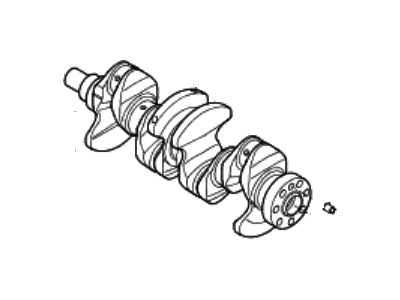
2017 Hyundai Elantra Crankshaft Assembly
Part Number: 73AZ6-03F00$1074.39 MSRP: $1536.24You Save: $461.85 (31%)Ships in 1-3 Business DaysProduct Specifications- Other Name: Crankshaft
- Part Code: 23110
- Condition: New
- Fitment Type: Direct Replacement
- SKU: 73AZ6-03F00
- Warranty: This genuine part is guaranteed by Hyundai's factory warranty.
2017 Hyundai Elantra Crankshaft Assembly
Part Number: 6D056-2EU00$616.80 MSRP: $874.19You Save: $257.39 (30%)Ships in 1-3 Business DaysProduct Specifications- Other Name: Crankshaft
- Manufacturer Note: ULSAN PLANT
- Part Code: 23110
- Item Weight: 44.50 Pounds
- Item Dimensions: 29.3 x 14.0 x 8.7 inches
- Condition: New
- Fitment Type: Direct Replacement
- SKU: 6D056-2EU00
- Warranty: This genuine part is guaranteed by Hyundai's factory warranty.
2017 Hyundai Elantra Crankshaft Assembly
Part Number: 70AZ6-03F00$608.27 MSRP: $862.11You Save: $253.84 (30%)Ships in 1-3 Business DaysProduct Specifications- Other Name: Crankshaft
- Replaces: 23110-03810
- Part Code: 23110
- Item Weight: 42.10 Pounds
- Item Dimensions: 28.2 x 13.7 x 8.7 inches
- Condition: New
- Fitment Type: Direct Replacement
- SKU: 70AZ6-03F00
- Warranty: This genuine part is guaranteed by Hyundai's factory warranty.
2017 Hyundai Elantra Crankshaft Assembly
Part Number: 23110-03810$608.27 MSRP: $862.11You Save: $253.84 (30%)Ships in 1-3 Business DaysProduct Specifications- Replaced by: 70AZ6-03F00
- Part Code: 23110
- Item Weight: 29.50 Pounds
- Item Dimensions: 28.8 x 13.5 x 8.8 inches
- Condition: New
- Fitment Type: Direct Replacement
- SKU: 23110-03810
- Warranty: This genuine part is guaranteed by Hyundai's factory warranty.
2017 Hyundai Elantra Crankshaft
At HyundaiPartsDeal.com, we boast a vast inventory of genuine 2017 Hyundai Elantra Crankshaft at unbeatable prices online. Each OEM 2017 Hyundai Elantra Crankshaft is backed by the manufacturer's warranty, giving you peace of mind with your purchase. Additionally, our services include a hassle-free return policy and expedited delivery. So, what's holding you back? Start your shopping journey with us today!
2017 Hyundai Elantra Crankshaft Parts Questions & Experts Answers
- Q:How to crankshaft insatall in engine reassembly on 2017 Hyundai Elantra?Posted by Lexi G.A:The crankshaft installation is the first step in the reassembly of the engine in case the block together with the crankshaft have been scrubbed and checked for damages and had some work done to it. Place the engine in such a manner that the bottom is up, then loosen and take out the main bearing cap bolts, and take out the caps for proper alignment for reinstallation. If present, the original bearing inserts should be de-mounted from the block and caps, and the bearing surfaces maid to free of any deposit. Before installing the new main bearing inserts, clean the back side of each of them and then, fitting them into the corresponding saddle in the block shall be done properly. Dismantle the thrust washers on each side of the number three main journal and scrape the bearing faces in the block and crankshaft main bearing journals. Inspect or scrub the oil way on the crankshaft and position the crankshaft upon the main bearings. On the crankshaft main bearings, pieces of Plastigage should be fitted on each main bearing journal and measurement of fastener torque performed on the bearing cap screws before cleaning the bearing faces in the caps and re-locating it back to its original position with arrow face forward on the engine. Loosen the rods and main bearing cap bolts starting at the center main and then moving outward but do not turn the crankshaft. After eliminating the caps one has to utilize a Plastigage scale to compare the width of the crushed Plastigage thus getting the main bearing oil clearance and then refer to the specifications for accuracy. If the clearance is wrong, then confirm that none was on the bearing during the time of measurement. It is recommended that all the deposits of Plastigage material shall be removed from the extremities of both the main bearing journals as well as the bearing faces. Remove the crankshaft, and scrape or wipe the bearing locators in the block; smear a 'thumbnail' of moly-base grease or assembly lube to all bearing surfaces and thrusts. Place back the crankshaft, it is also a good practice to clean the bearing faces in the caps before applying lubricants to them and putting back the caps in their respective original positions. Next to specific engine models, put the caps with the arrow that is facing forward and then adjust it using the tapping of the crankshaft. For other models, in the grooves of the lower crankcase, there should be a rubber gasket; apply liquid sealer on it and then fit the lower crankcase on the cylinder block. Degrease the bearing faces in the caps, apply the lubricant, and then screw the caps with the bolts bringing down the bolts to a flush position. Main bearings should be reset and all the main bearing cap bolts should be tightened, turn the crankshaft to check whether the crankshaft is binding, the endplay of the crankshaft must be checked using feeler gauges or a dial indicator. Last, for some engines, remove the gasket, clean the surfaces of the ladder frame, apply a liquid sealer then fit the ladder frame to the crankcase and torque the bolts in circular pattern starting from the centre of the frame.Answered by Hyundai Parts Specialist Josue / Jul 10, 2025
Related 2017 Hyundai Elantra Parts
 2017 Hyundai Elantra Rod Bearing
 2017 Hyundai Elantra Piston Ring Set
 2017 Hyundai Elantra Oil Pan
 2017 Hyundai Elantra Crankshaft Thrust Washer Set
 2017 Hyundai Elantra Crankshaft Pulley
 2017 Hyundai Elantra Crankshaft Gear
 2017 Hyundai Elantra Oil Pump
 2017 Hyundai Elantra Camshaft