×
- Hello
- Login or Register
- Quick Links
- Live Chat
- Track Order
- Parts Availability
- RMA
- Help Center
- Contact Us
- Shop for
- Hyundai Parts
- Hyundai Accessories


My Garage
My Account
Cart
Genuine Hyundai Accent Shock Absorber
Suspension Shock Absorber- Select Vehicle by Model
- Select Vehicle by VIN
Select Vehicle by Model
orMake
Model
Year
Select Vehicle by VIN
For the most accurate results, select vehicle by your VIN (Vehicle Identification Number).
112 Shock Absorbers found
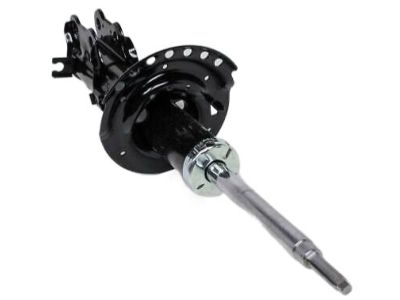
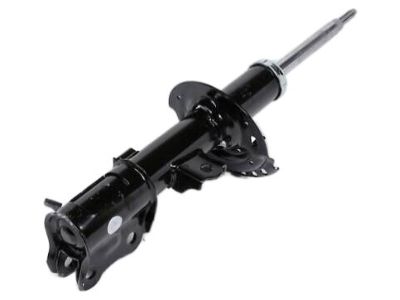
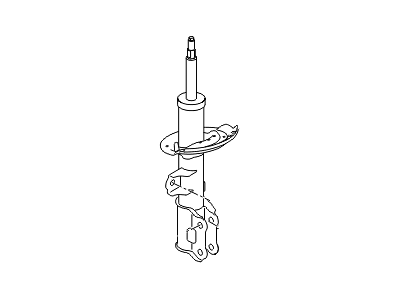

Hyundai Accent Front Strut Assembly Left
Part Number: 54650-1R000$209.38 MSRP: $294.18You Save: $84.80 (29%)Ships in 1-3 Business Days
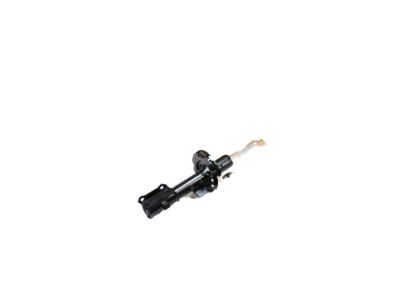
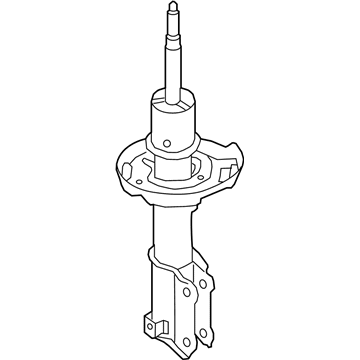

Hyundai Accent Front Strut Assembly Left
Part Number: 54650-J0000$185.78 MSRP: $261.02You Save: $75.24 (29%)Ships in 1-3 Business Days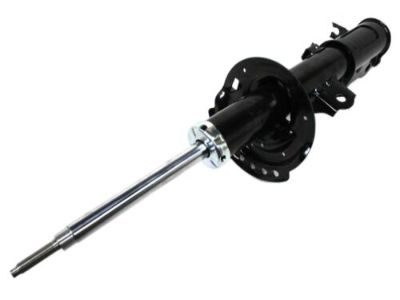
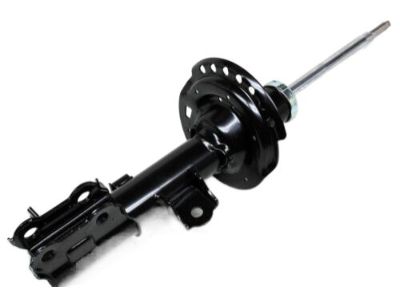
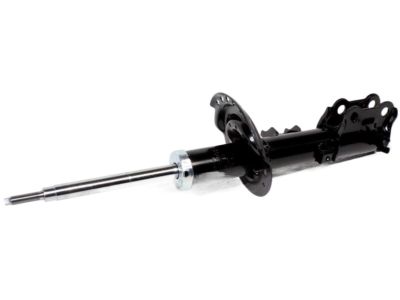
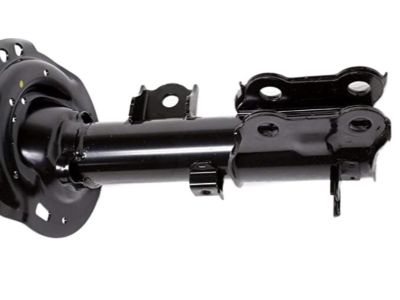
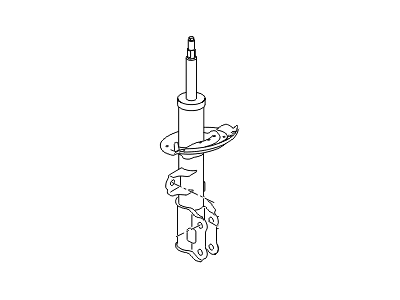
Hyundai Accent Front Strut Assembly Right
Part Number: 54660-1R201$230.09 MSRP: $323.27You Save: $93.18 (29%)Ships in 1-3 Business Days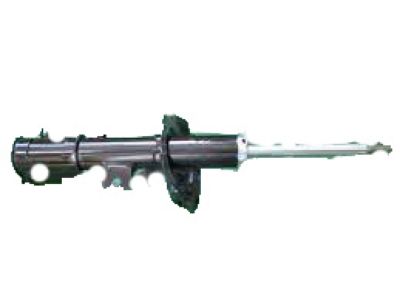
Hyundai Accent Front Strut Assembly Left
Part Number: 54650-1R201$209.38 MSRP: $294.18You Save: $84.80 (29%)Ships in 1-3 Business Days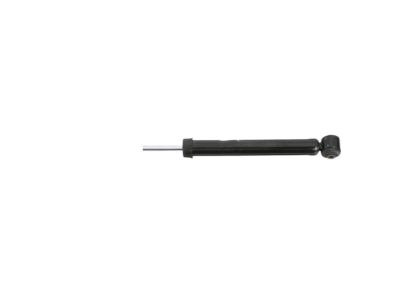
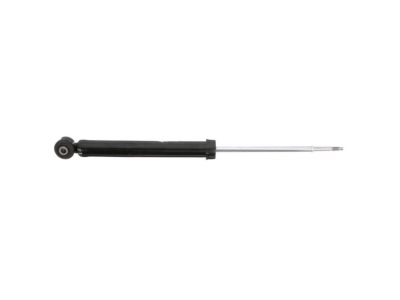
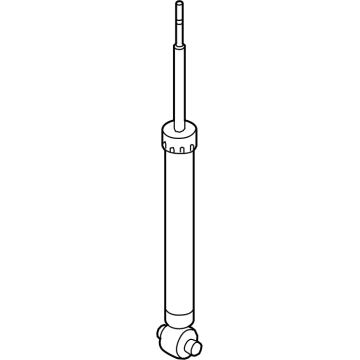

Hyundai Accent Rear Shock Absorber Assembly
Part Number: 55310-H9000$110.68 MSRP: $155.50You Save: $44.82 (29%)Ships in 1-3 Business Days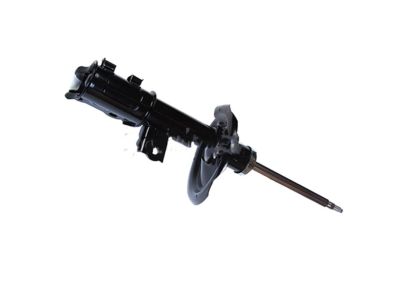
Hyundai Accent Front Strut Assembly Right
Part Number: 54660-1R000$164.26 MSRP: $230.77You Save: $66.51 (29%)Ships in 1-3 Business Days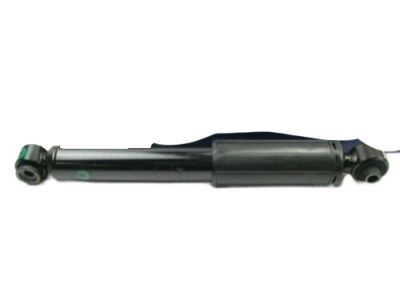
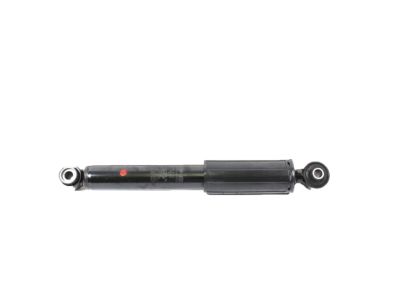
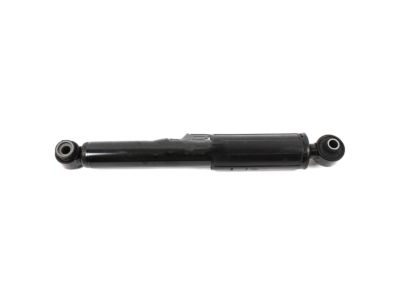
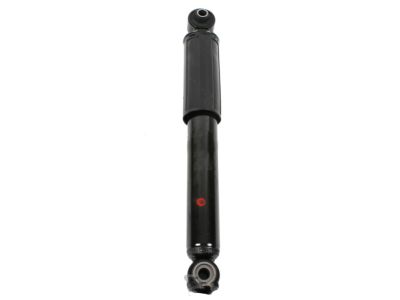
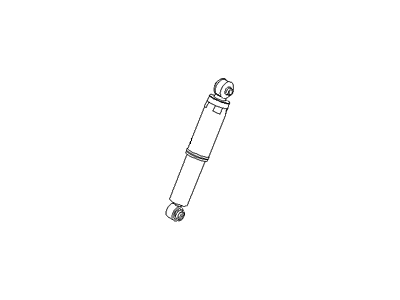

Hyundai Accent Rear Shock Absorber Assembly
Part Number: 55300-1R300$131.71 MSRP: $185.04You Save: $53.33 (29%)Ships in 1-3 Business Days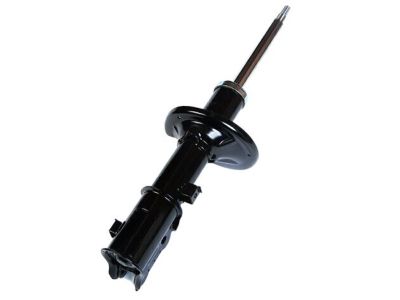
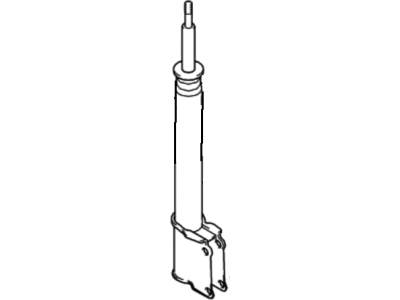

Hyundai Accent Front Strut Assembly Right
Part Number: 54660-25800$155.90 MSRP: $219.03You Save: $63.13 (29%)Ships in 1-3 Business Days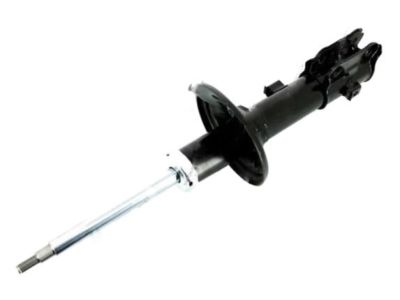
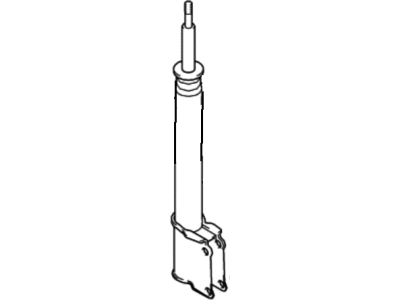
Hyundai Accent Front Strut Assembly Left
Part Number: 54650-25850$155.90 MSRP: $219.03You Save: $63.13 (29%)Ships in 1-3 Business Days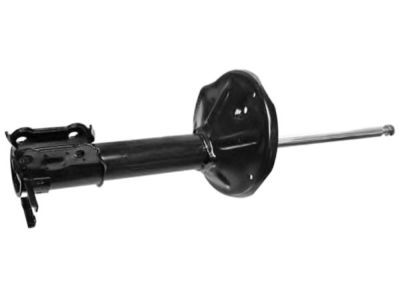
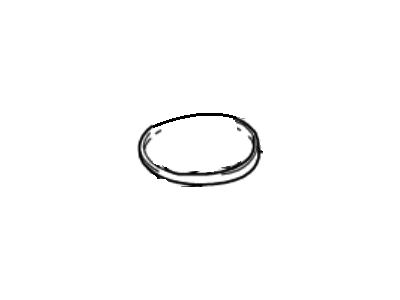

Hyundai Accent Hand Shock Absorber Assembly Rear Left
Part Number: 55350-25800$162.17 MSRP: $227.84You Save: $65.67 (29%)Ships in 1-3 Business Days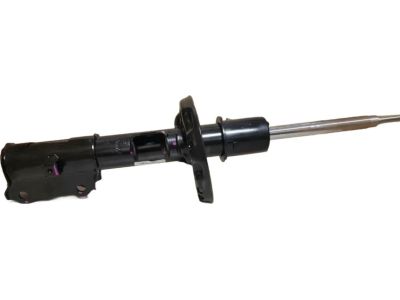
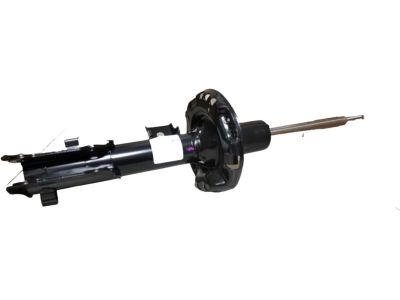
Hyundai Accent Front Strut Assembly Right
Part Number: 54660-J0000$185.78 MSRP: $261.02You Save: $75.24 (29%)Ships in 1-3 Business Days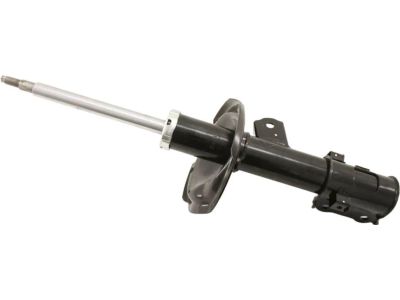
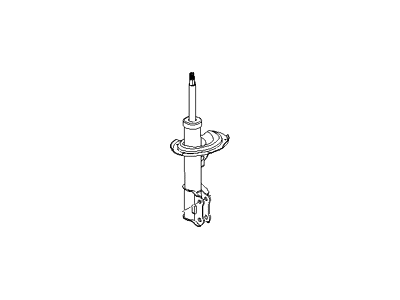

Hyundai Accent Front Strut Assembly Right
Part Number: 54660-1E150$112.95 MSRP: $158.69You Save: $45.74 (29%)Ships in 1-3 Business DaysHyundai Accent Front Strut Assembly Left
Part Number: 54650-1R200$164.26 MSRP: $230.77You Save: $66.51 (29%)Ships in 1-3 Business DaysHyundai Accent Front Strut Assembly Right
Part Number: 54660-J0020$190.41 MSRP: $267.51You Save: $77.10 (29%)Ships in 1-3 Business DaysHyundai Accent Front Strut Assembly Left
Part Number: 54650-J0020$190.41 MSRP: $267.51You Save: $77.10 (29%)Ships in 1-3 Business Days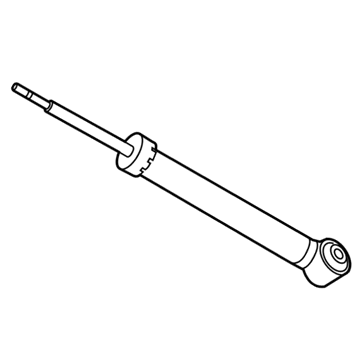
Hyundai Accent Rear Shock Absorber Assembly
Part Number: 55310-H9020$147.74 MSRP: $207.57You Save: $59.83 (29%)Ships in 1-3 Business DaysHyundai Accent Front Strut Assembly Right
Part Number: 54660-1E100$112.95 MSRP: $158.69You Save: $45.74 (29%)Ships in 1-3 Business Days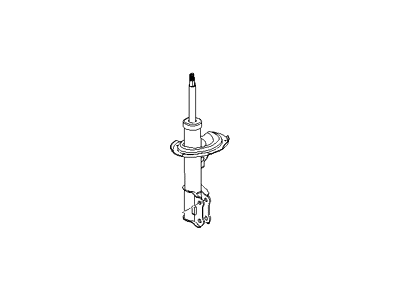
Hyundai Accent Front Strut Assembly Left
Part Number: 54650-1E150$112.95 MSRP: $158.69You Save: $45.74 (29%)Ships in 1-3 Business Days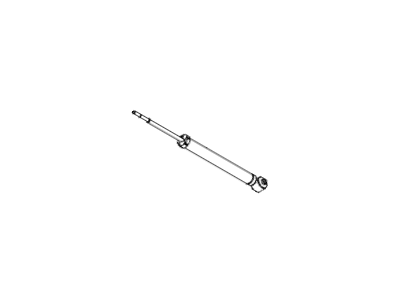

Hyundai Accent Rear Shock Absorber Assembly
Part Number: 55310-1E150$150.59 MSRP: $211.58You Save: $60.99 (29%)Ships in 1-3 Business DaysHyundai Accent Rear Shock Absorber Assembly
Part Number: 55310-1E100$150.59 MSRP: $211.58You Save: $60.99 (29%)Ships in 1-3 Business Days
| Page 1 of 6 |Next >
1-20 of 112 Results
Hyundai Accent Shock Absorber
Hyundai Accent Shock Absorber is a part of Hyundai Accent vehicle and commonly recognized as a durable and efficient type of car part associated with the vehicle's suspension system. Meant to reduce overswing, these Shock Absorbers improve ride comfort and stability for a great driving feeling. For the Shock Absorber of Hyundai Accent, the change of the designs has been made from twin-tube type to the mono-tube type and vice versa. Twin-tube shocks are normally gas-charged for the tough structure while the mono-tube shocks have perfect heat exchange and perfect performing shocks. Other integrated technologies like PSD and ASD give the Shock Absorber better responsiveness for different road conditions to increase efficiency and safety. The universality of these Shock Absorbers means that Hyundai Accent drivers can have access to these chances no matter the generation; these include the first Hyundai Accent that hit the market in 1994 up to the recent models. The structural components like electrorheological and magnetorheological dampers give a chance to have an adaptive suspension which provides substantial enhancement in both comfort and control criterion. The Shock Absorber occupies a particularly significant position among automotive counterparts as it positively meets expectations of the buyers who are in search of effective and profitable modification of their Hyundai Accent's handling, maintaining safety and fuel economy at the same time. The importance of the Shock Absorber cannot be overstated, as it plays a crucial role in the overall performance of the vehicle.
If you are looking for affordable high-quality OEM Hyundai Accent Shock Absorber, then you have come to the prime place. Our website provides a large amount of genuine Hyundai Accent Shock Absorber at unbeatable prices. All our parts come backed with the manufacturer's warranty.
Hyundai Accent Shock Absorber Parts Questions & Experts Answers
- Q:How to remove and install a front strut assembly and Coil Springs and Shock Absorber on Hyundai Accent?Posted by Melita S.A:Loosen the wheel lug nuts, raise the vehicle and support it securely on jackstands. Remove the front wheels. Unbolt the brake hose bracket from the strut. Remove the strut-to-knuckle nuts and knock the bolts out with a hammer and punch. Separate the strut from the Steering Knuckle. Be careful not to overextend the inner CV joint. It's a good idea to wire the top of the steering knuckle to the body to prevent this from happening. If necessary, remove the driveaxle hub nut and separate the driveaxle from the hub splines. Support the strut and spring assembly and remove the strut-to-body nut(s). Remove the assembly out through the fenderwell. On 2012 and later models, there are two piston rod nuts: the upper nut which holds the strut assembly to the body, and the lower nut that secures the spring seat against the spring. Do not loosen the second nut until the spring can be safely secured. Check the strut body for leaking fluid, dents, cracks and other obvious damage which would warrant repair or replacement. Check the coil spring for chips or cracks in the spring coating. If any undesirable conditions exist, proceed to the strut disassembly procedure. Guide the strut assembly up into the fenderwell and insert the upper mounting studs through the holes in the body. Once the studs protrude through the body, install the nuts so the strut won't fall back through. This may require an assistant, as the strut is quite heavy and awkward. Slide the steering knuckle into the strut flange and insert the two bolts. Install the nuts and tighten them to the torque. If removed, install the driveaxle hub nut and tighten it to the torque. Position the brake hose bracket on the strut and install the bolt, tightening it securely. Install the wheel, lower the vehicle and tighten the lug nuts to the torque. Tighten the upper mounting nuts to the torque. Have the front wheel alignment checked and, if necessary, adjusted.Answered by Hyundai Parts Specialist Allen / Apr 10, 2026
Related Hyundai Accent Parts
 Hyundai Accent Coil Springs
 Hyundai Accent Wheelhouse
 Hyundai Accent Steering Knuckle
 Hyundai Accent Steering Wheel
 Hyundai Accent Sway Bar Bushing
 Hyundai Accent Sway Bar Bracket
 Hyundai Accent Tie Rod End
 Hyundai Accent Sway Bar Kit
 Hyundai Accent Fender
 Hyundai Accent Control Arm
Browse by Year
2022 Shock Absorber 2021 Shock Absorber 2020 Shock Absorber 2019 Shock Absorber 2018 Shock Absorber 2017 Shock Absorber 2016 Shock Absorber 2015 Shock Absorber 2014 Shock Absorber 2013 Shock Absorber 2012 Shock Absorber 2011 Shock Absorber 2010 Shock Absorber 2009 Shock Absorber 2008 Shock Absorber 2007 Shock Absorber 2006 Shock Absorber 2005 Shock Absorber 2004 Shock Absorber 2003 Shock Absorber 2002 Shock Absorber 2001 Shock Absorber 2000 Shock Absorber 1999 Shock Absorber 1998 Shock Absorber 1997 Shock Absorber 1996 Shock Absorber 1995 Shock Absorber 1994 Shock Absorber