×
- Hello
- Login or Register
- Quick Links
- Live Chat
- Track Order
- Parts Availability
- RMA
- Help Center
- Contact Us
- Shop for
- Hyundai Parts
- Hyundai Accessories


My Garage
My Account
Cart
Genuine Hyundai Elantra Brake Disc
Disc Rotor- Select Vehicle by Model
- Select Vehicle by VIN
Select Vehicle by Model
orMake
Model
Year
Select Vehicle by VIN
For the most accurate results, select vehicle by your VIN (Vehicle Identification Number).
26 Brake Discs found
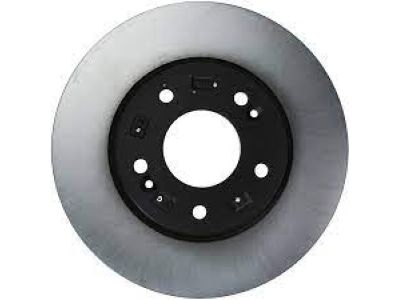
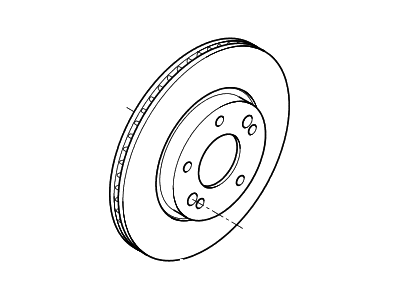

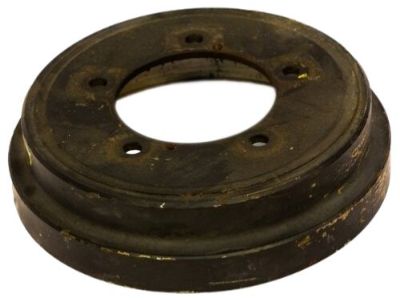
Hyundai Elantra Front Wheel Brake Disc
Part Number: 51712-3X000$91.94 MSRP: $129.18You Save: $37.24 (29%)Ships in 1-3 Business Days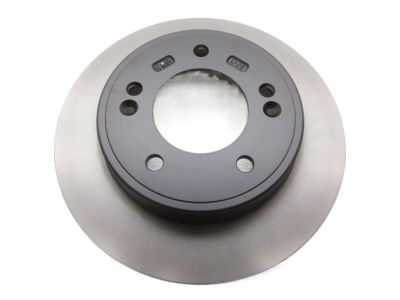
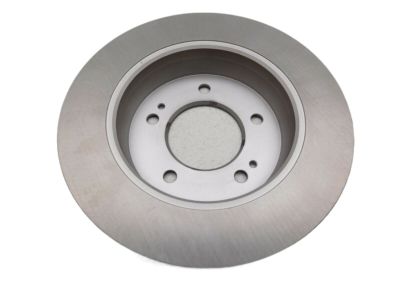
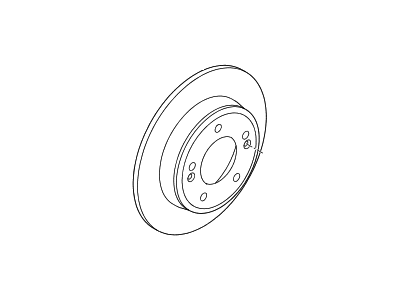

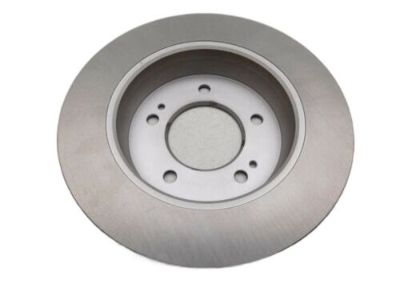
Hyundai Elantra Rear Brake Disc
Part Number: 58411-3Y300$85.41 MSRP: $120.00You Save: $34.59 (29%)Ships in 1-3 Business Days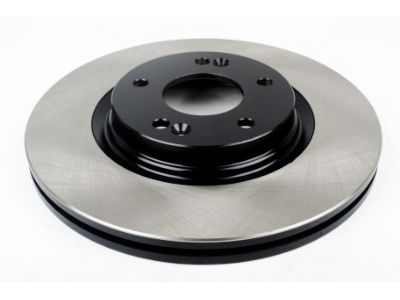
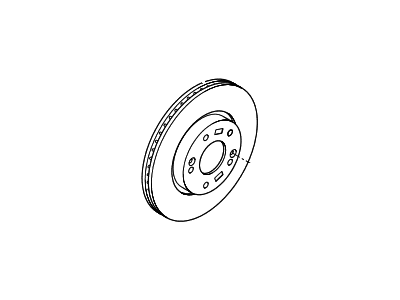

Hyundai Elantra Front Wheel Brake Disc
Part Number: 51712-C1000$142.90 MSRP: $200.78You Save: $57.88 (29%)Ships in 1-3 Business Days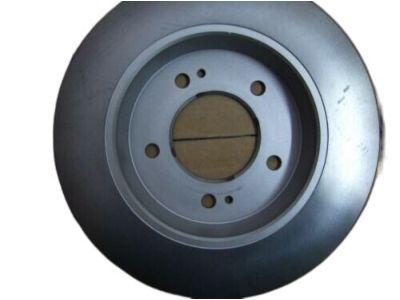
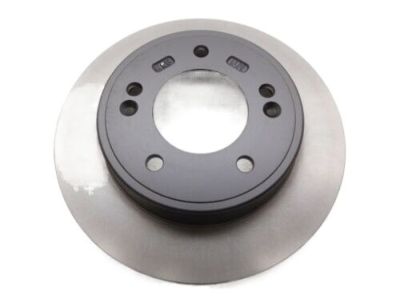
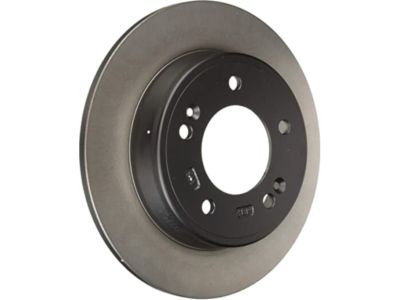
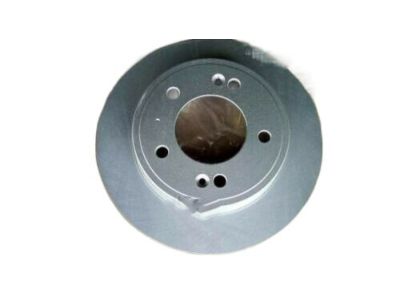

Hyundai Elantra Rear Brake Disc
Part Number: 58411-3X300$117.70 MSRP: $165.37You Save: $47.67 (29%)Ships in 1-3 Business Days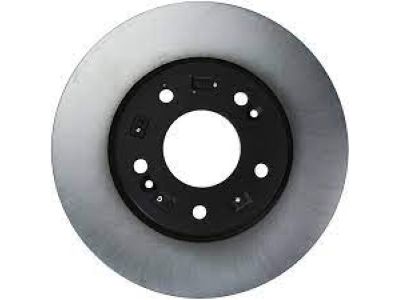
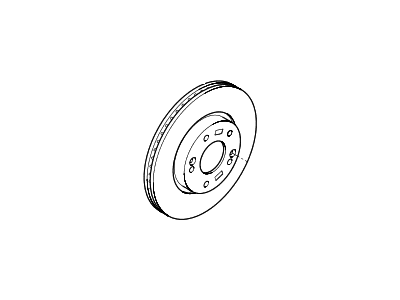

Hyundai Elantra Front Wheel Brake Disc
Part Number: 51712-3Y000$91.44 MSRP: $128.47You Save: $37.03 (29%)Ships in 1-2 Business Days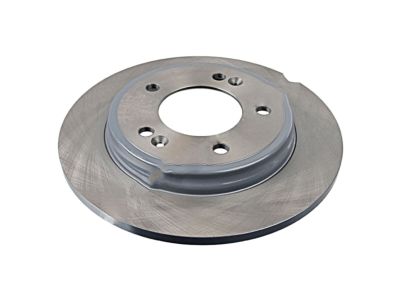
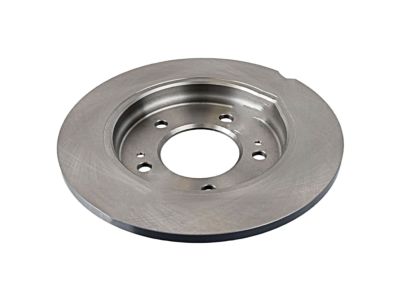
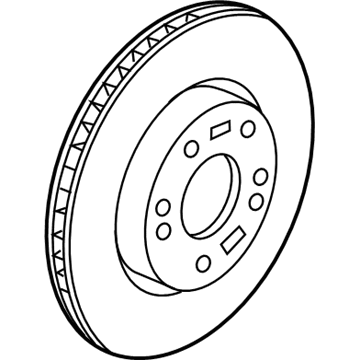

Hyundai Elantra Disc Assembly-Rear Brake
Part Number: 58411-G2300$103.84 MSRP: $145.89You Save: $42.05 (29%)Ships in 1-2 Business Days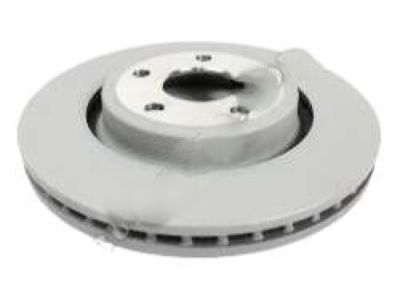
Hyundai Elantra Car Care-Disc-Front Wheel Brake
Part Number: S5171-23X00-0$72.43 MSRP: $101.76You Save: $29.33 (29%)Ships in 1-3 Business Days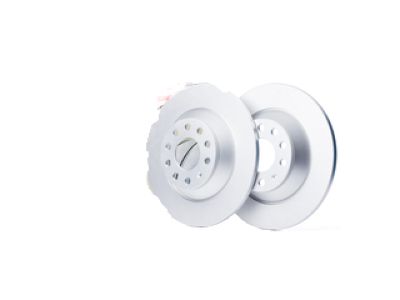

Hyundai Elantra Car Care-Disc-Rear Brake
Part Number: S5841-13X30-0$72.43 MSRP: $101.76You Save: $29.33 (29%)Ships in 1-3 Business Days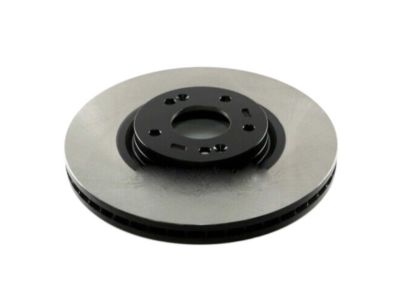
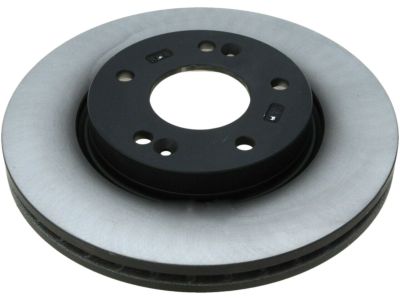

Hyundai Elantra Front Wheel Brake Disc
Part Number: 51712-2H000$103.52 MSRP: $145.44You Save: $41.92 (29%)Ships in 1-3 Business Days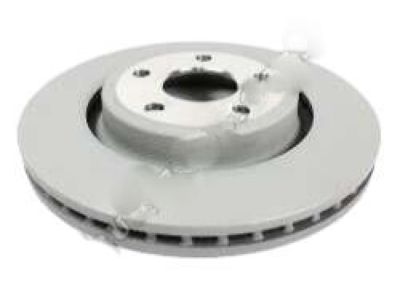
Hyundai Elantra Car Care- Disc-Front Wheel Brake
Part Number: S5171-22H00-0$69.97 MSRP: $98.31You Save: $28.34 (29%)Ships in 1-3 Business Days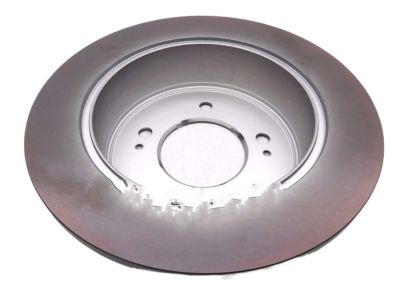
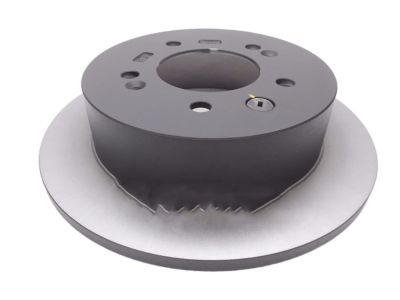

Hyundai Elantra Rear Brake Disc
Part Number: 58411-2H300$80.33 MSRP: $112.85You Save: $32.52 (29%)Ships in 1-3 Business Days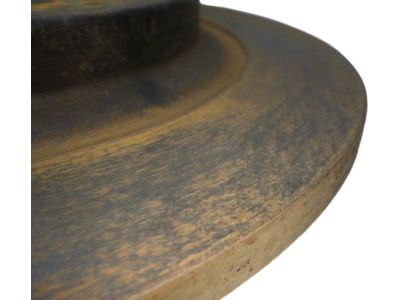
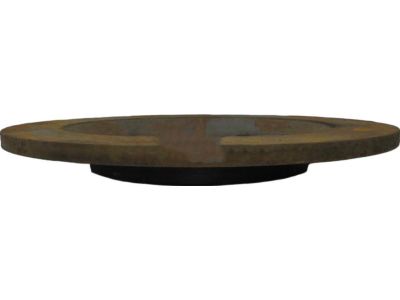
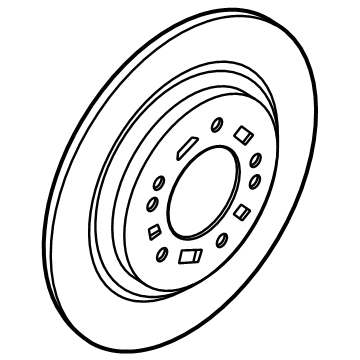

Hyundai Elantra Rear Brake Disc
Part Number: 58411-L1000$96.90 MSRP: $136.15You Save: $39.25 (29%)Ships in 1-3 Business Days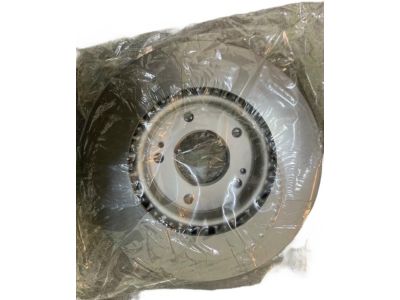
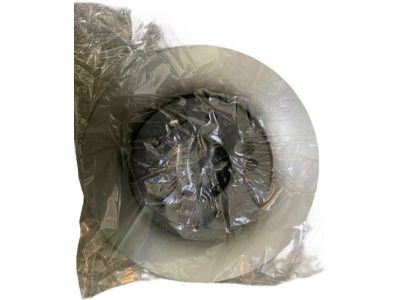
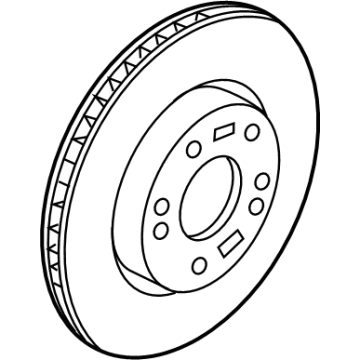

Hyundai Elantra Front Wheel Brake Disc
Part Number: 51712-AA000$156.90 MSRP: $220.43You Save: $63.53 (29%)Ships in 1-3 Business Days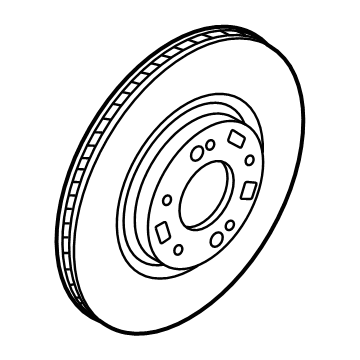

Hyundai Elantra Front Wheel Brake Disc
Part Number: 51712-L1000$125.25 MSRP: $175.96You Save: $50.71 (29%)Ships in 1-3 Business DaysHyundai Elantra Car Care-Disc-Rear Brake
Part Number: S5841-12H30-0$72.43 MSRP: $101.76You Save: $29.33 (29%)Ships in 1-3 Business Days

Hyundai Elantra Front Wheel Brake Disc
Part Number: 51712-28300$80.26 MSRP: $112.76You Save: $32.50 (29%)Ships in 1-3 Business Days

Hyundai Elantra Front Wheel Brake Disc
Part Number: 51712-2D310$75.08 MSRP: $105.48You Save: $30.40 (29%)Ships in 1-3 Business DaysHyundai Elantra Front Wheel Brake Disc
Part Number: 51712-38100$86.44 MSRP: $121.44You Save: $35.00 (29%)Ships in 1-3 Business DaysHyundai Elantra Car Care- Disc-Front Wheel Brake
Part Number: S5171-22D37-0$59.60 MSRP: $83.74You Save: $24.14 (29%)Ships in 1-3 Business Days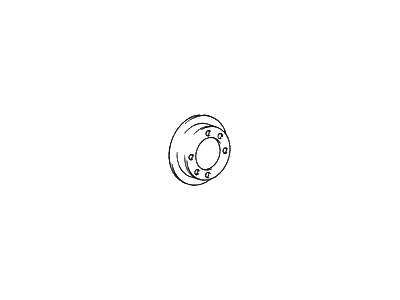

Hyundai Elantra Car Care-Disc-Rear Brake
Part Number: S5841-12931-0$59.60 MSRP: $83.74You Save: $24.14 (29%)Ships in 1-3 Business Days
| Page 1 of 2 |Next >
1-20 of 26 Results
Hyundai Elantra Brake Disc
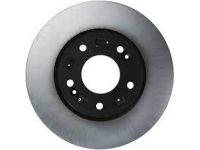
You can rely on the Hyundai Elantra Brake Disc to deliver powerful, fade resistant performance. Each Brake Disc attached to the hub spins with the wheel. When the calipers press down on the pad, motion is converted into heat which quickly dissipates into the open air. This gives a clear advantage over a drum brake which keeps the heat contained. The early models of Elantra adopted front discs and rear drums. But later on, the other Elantra versions applied four-wheel discs to reduce pull, shorten service time, and keep a firm pedal feel. The rotor of the Hyundai Brake Disc is made either solid or vented, with internal fins, and is made to rapidly dissipate heat in order to withstand fade on steep hills or during repeated hard stops. Sport trims may suit drilled or slotted Brake Disc designs that eliminate water and gas, though their extra holes can increase pad wear. Hyundai's two-piece Brake Disc assemblies for select Elantra performance packages are engineered to reduce weight and allow for the independent expansion of the ring and hat. This minimizes warping and distortion under extreme heat and stresses. After 40,000 to 50,000 miles, changing parts keeps Hyundai braking sharp and renews the Elantra confidence every driver expects.
If you are looking for affordable high-quality OEM Hyundai Elantra Brake Disc, then you have come to the prime place. Our website provides a large amount of genuine Hyundai Elantra Brake Disc at unbeatable prices. All our parts come backed with the manufacturer's warranty.
Hyundai Elantra Brake Disc Parts Questions & Experts Answers
- Q:How to inspect, remove, and install brake discs on Hyundai Elantra?Posted by Odean C.A:This procedure applies to both the front and rear brake discs on vehicles so equipped. Begin by loosening the wheel lug nuts, raising the vehicle, and securely supporting it on jackstands before removing the wheel. If inspecting the rear disc, release the parking brake. Next, remove the Brake Caliper without disconnecting the brake hose and suspend it out of the way with a piece of wire. Visually inspect the disc surface for scoring or damage; while light scratches and shallow grooves are normal, deep scoring necessitates refinishing by an automotive machine shop. Check both sides of the disc. If pulsation during braking is noted, suspect disc runout and check it using a dial indicator placed about 1/2-inch from the outer edge of the disc. Ensure the disc retaining screws or lug nuts are tight, then rotate the disc and monitor the runout; if it exceeds the maximum allowable limit, the disc must be machined or replaced. It is advisable to resurface the discs regardless of the dial indicator reading to ensure a smooth finish and flat surface, which helps eliminate brake pedal pulsation. If not resurfacing, remove any glazing from the surface with emery cloth or sandpaper using a swirling motion. It is critical that the disc not be machined to a thickness less than the minimum allowable thickness, which is typically stamped on the disc; use a micrometer to check the thickness at several points. For removal, if not already done, take off the brake caliper without disconnecting the brake hose and also remove the caliper mounting bracket. For 2000 or earlier models, remove the steering knuckle and have the hub flange pressed out of the knuckle to unbolt the disc from the hub. For 2001 or later models, simply slide the disc off the hub flange. On rear disc brakes, remove the retaining screw and take the disc off the hub. Installation is the reverse of removal; tighten the mounting bracket and caliper bolts, install the wheel, lower the vehicle, and tighten the lug nuts. Depress the brake pedal a few times to bring the brake pads into contact with the disc, and check the operation of the brakes carefully before placing the vehicle into normal service.Answered by Hyundai Parts Specialist Conor / Aug 01, 2023
Related Hyundai Elantra Parts
 Hyundai Elantra Brake Pad Set
 Hyundai Elantra Brake Bleeder Screw
 Hyundai Elantra Parking Brake Cable
 Hyundai Elantra ABS Control Module
 Hyundai Elantra Brake Master Cylinder
 Hyundai Elantra Brake Line
 Hyundai Elantra Brake Booster
 Hyundai Elantra Wheel Cylinder Repair Kit
Browse by Year
2026 Brake Disc 2025 Brake Disc 2024 Brake Disc 2023 Brake Disc 2022 Brake Disc 2021 Brake Disc 2020 Brake Disc 2019 Brake Disc 2018 Brake Disc 2017 Brake Disc 2016 Brake Disc 2015 Brake Disc 2014 Brake Disc 2013 Brake Disc 2012 Brake Disc 2011 Brake Disc 2010 Brake Disc 2009 Brake Disc 2008 Brake Disc 2007 Brake Disc 2006 Brake Disc 2005 Brake Disc 2004 Brake Disc 2003 Brake Disc 2002 Brake Disc 2001 Brake Disc 2000 Brake Disc 1999 Brake Disc 1998 Brake Disc 1997 Brake Disc 1996 Brake Disc 1995 Brake Disc 1994 Brake Disc 1993 Brake Disc 1992 Brake Disc 1991 Brake Disc