×
- Hello
- Login or Register
- Quick Links
- Live Chat
- Track Order
- Parts Availability
- RMA
- Help Center
- Contact Us
- Shop for
- Hyundai Parts
- Hyundai Accessories


My Garage
My Account
Cart
Genuine Hyundai Elantra Brake Pad Set
Disc Brake Pad Set- Select Vehicle by Model
- Select Vehicle by VIN
Select Vehicle by Model
orMake
Model
Year
Select Vehicle by VIN
For the most accurate results, select vehicle by your VIN (Vehicle Identification Number).
43 Brake Pad Sets found
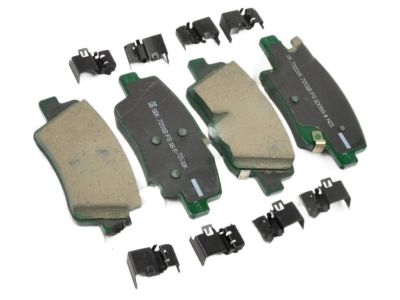
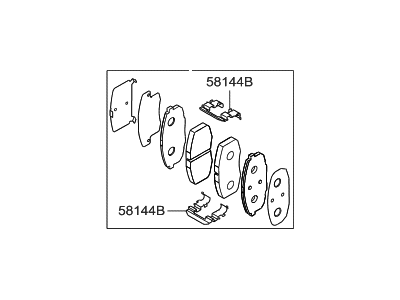

Hyundai Elantra Front Disc Brake Pad Kit
Part Number: 58101-F3A00$73.32 MSRP: $103.02You Save: $29.70 (29%)Ships in 1-2 Business Days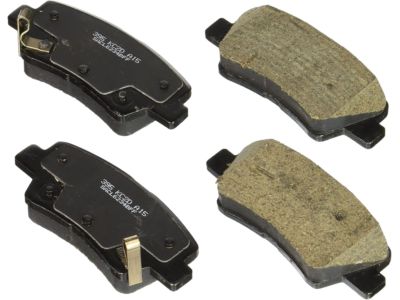
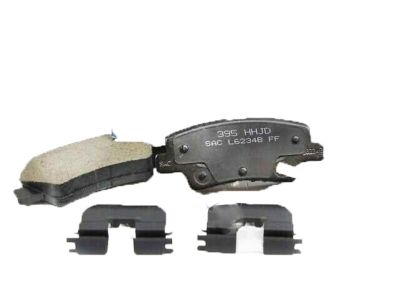
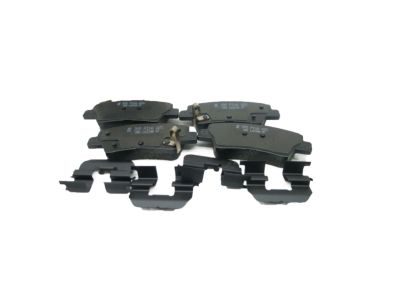
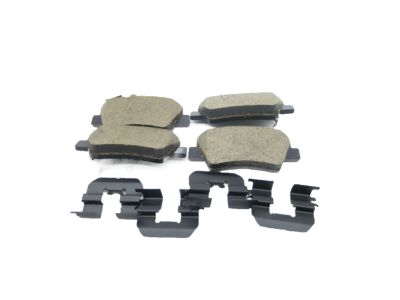
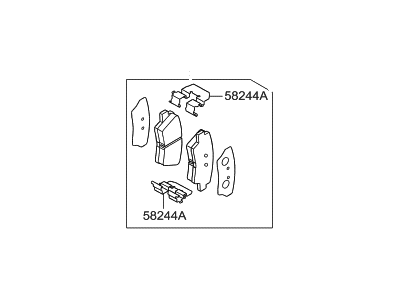

Hyundai Elantra Rear Disc Brake Pad Kit
Part Number: 58302-3XA30$65.49 MSRP: $92.02You Save: $26.53 (29%)Ships in 1-2 Business Days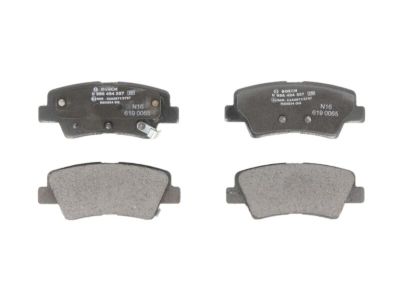
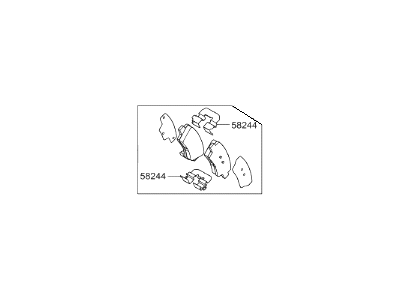

Hyundai Elantra Rear Disc Brake Pad Kit
Part Number: 58302-F3A30$58.49 MSRP: $82.18You Save: $23.69 (29%)Ships in 1-2 Business Days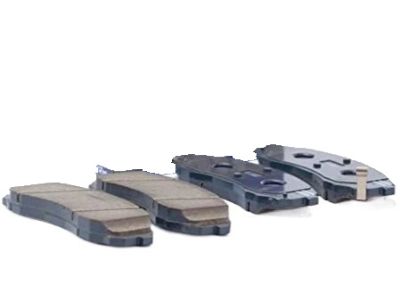
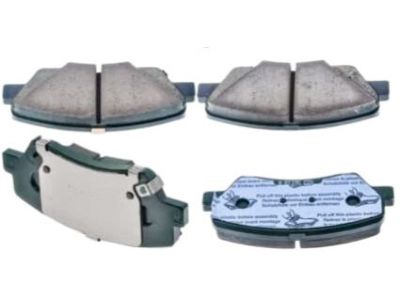
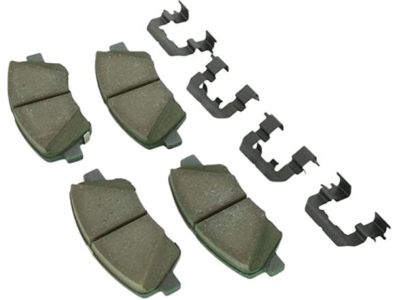
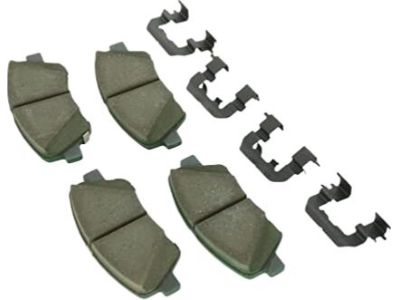
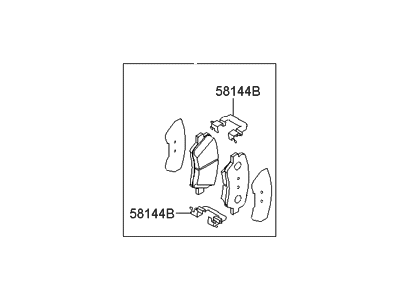

Hyundai Elantra Front Disc Brake Pad Kit
Part Number: 58101-3XA20$59.74 MSRP: $83.94You Save: $24.20 (29%)Ships in 1-3 Business Days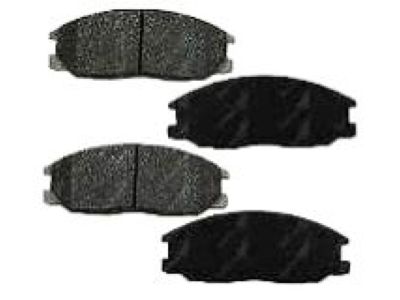
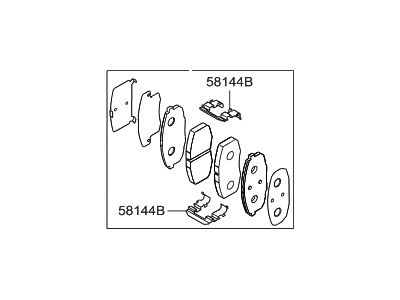

Hyundai Elantra Front Disc Brake Pad Kit
Part Number: 58101-F2A00$68.93 MSRP: $96.84You Save: $27.91 (29%)Ships in 1-3 Business Days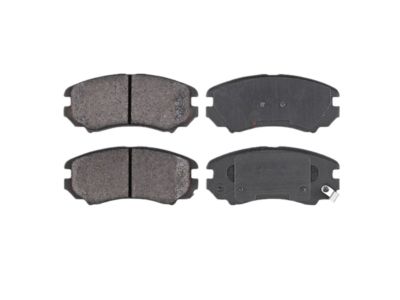
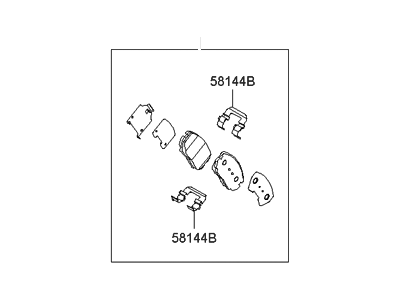

Hyundai Elantra Front Disc Brake Pad Kit
Part Number: 58101-2HA10$82.58 MSRP: $116.02You Save: $33.44 (29%)Ships in 1-2 Business Days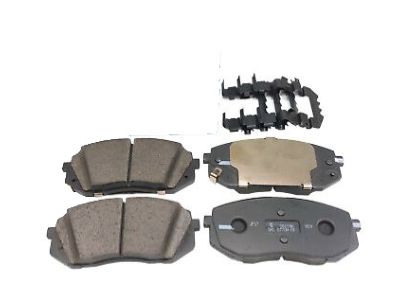
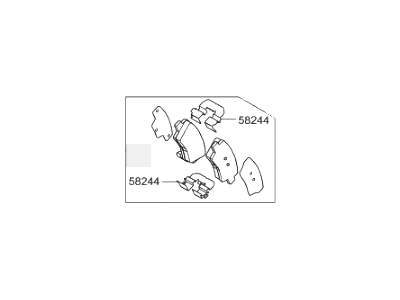

Hyundai Elantra Rear Disc Brake Pad Kit
Part Number: 58302-F2A30$55.45 MSRP: $77.22You Save: $21.77 (29%)Ships in 1-3 Business Days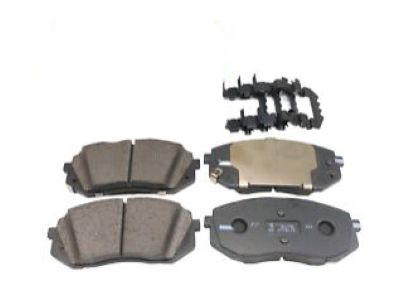
Hyundai Elantra Front Disc Brake Pad Kit
Part Number: 58101-F2A50$68.93 MSRP: $96.84You Save: $27.91 (29%)Ships in 1-3 Business Days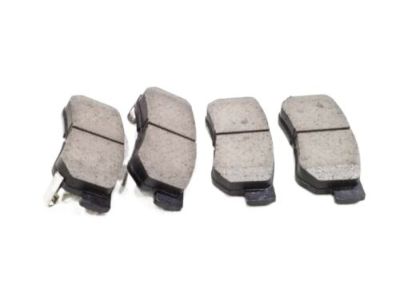
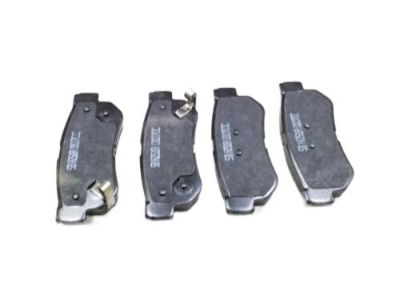
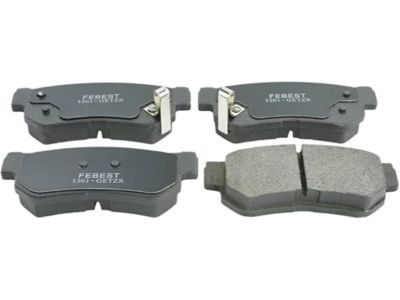
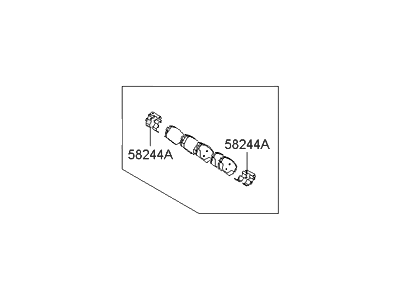

Hyundai Elantra Rear Disc Brake Pad Kit
Part Number: 58302-2HA00$54.07 MSRP: $75.31You Save: $21.24 (29%)Ships in 1-3 Business Days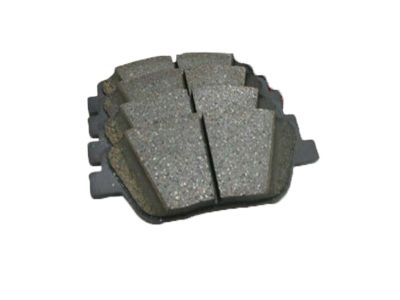
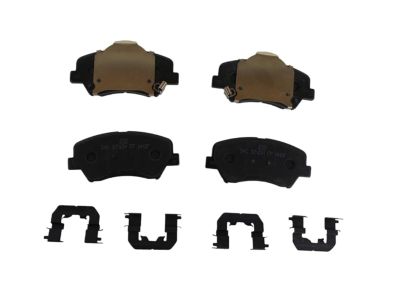
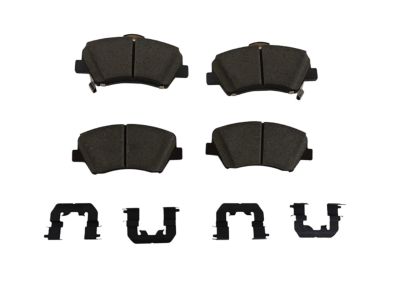
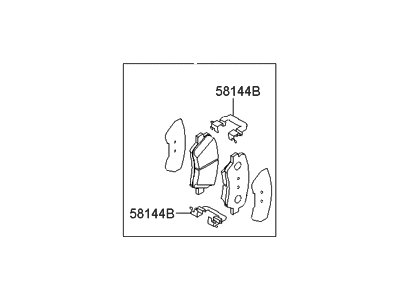
Hyundai Elantra Front Disc Brake Pad Kit
Part Number: 58101-3XA00$82.58 MSRP: $116.02You Save: $33.44 (29%)Ships in 1-3 Business Days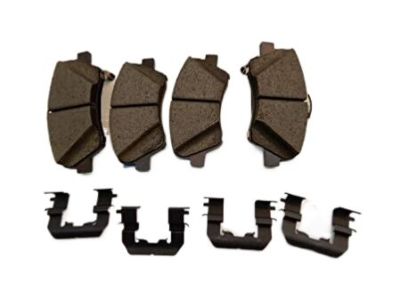
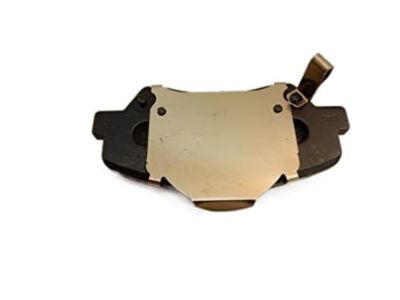
Hyundai Elantra Front Disc Brake Pad Kit
Part Number: 58101-3XA10$82.58 MSRP: $116.02You Save: $33.44 (29%)Ships in 1-3 Business Days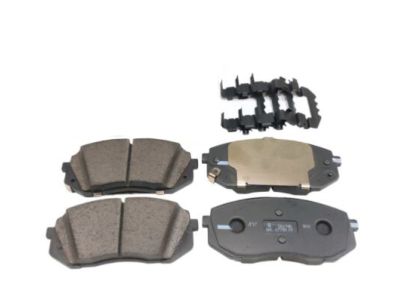
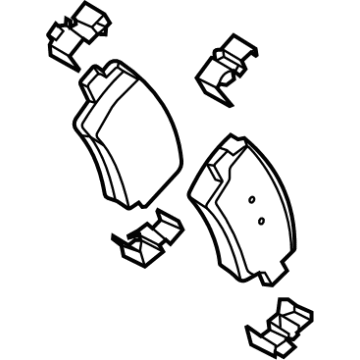

Hyundai Elantra Rear Disc Brake Pad Kit
Part Number: 58302-AAA30$81.62 MSRP: $114.68You Save: $33.06 (29%)Ships in 1-2 Business Days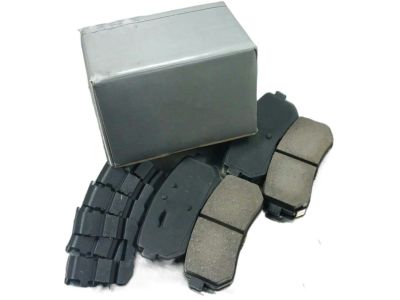
Hyundai Elantra Car Care Front Disc Brake Pad Kit
Part Number: S5810-13XA2-0$52.11 MSRP: $72.59You Save: $20.48 (29%)Ships in 1-3 Business Days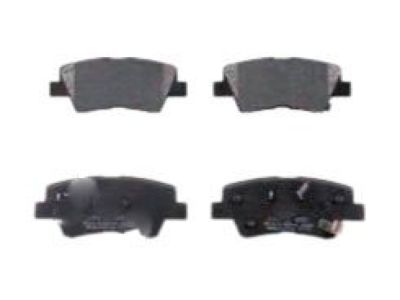
Hyundai Elantra Car Care Rear Disc Brak Pad Kit
Part Number: S5830-23XA3-0$52.11 MSRP: $72.59You Save: $20.48 (29%)Ships in 1-3 Business Days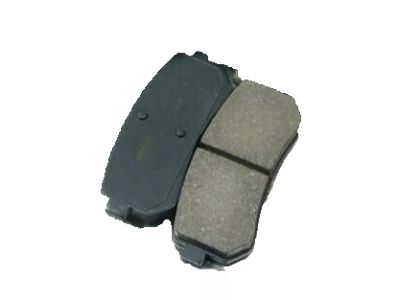
Hyundai Elantra Car Care Front Disc Brake Pad Kit
Part Number: S5810-12HA1-0NA$52.11 MSRP: $72.59You Save: $20.48 (29%)Ships in 1-3 Business Days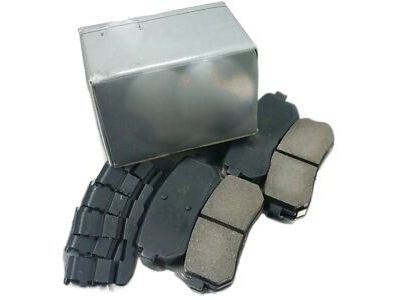
Hyundai Elantra Car Care Rear Disc Brak Pad Kit
Part Number: S5830-22HA0-1NA$52.11 MSRP: $72.59You Save: $20.48 (29%)Ships in 1-3 Business Days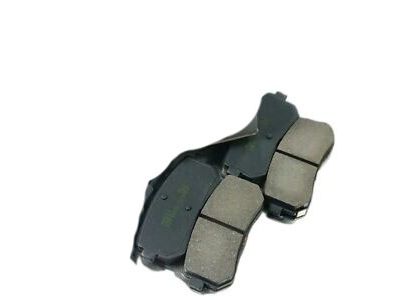
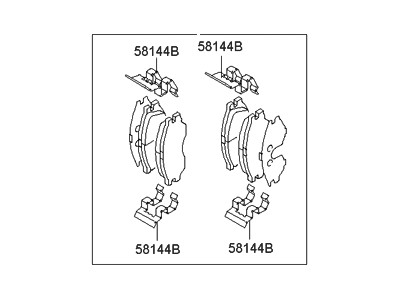

Hyundai Elantra Car Care Front Disc Brake Pad Kit
Part Number: S5810-12DA3-1NA$52.11 MSRP: $72.59You Save: $20.48 (29%)Ships in 1-3 Business Days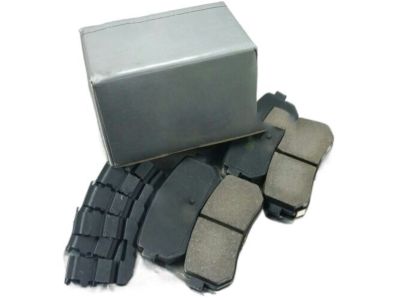
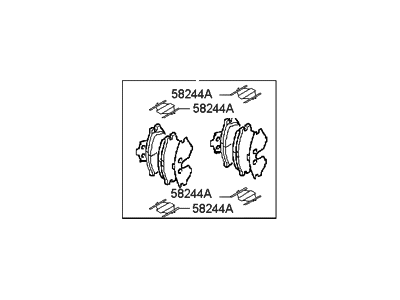

Hyundai Elantra Car Care Rear Disc Brak Pad Kit
Part Number: S5830-22DA0-0$42.75 MSRP: $59.55You Save: $16.80 (29%)Ships in 1-3 Business Days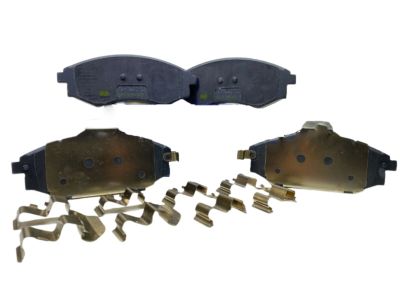
Hyundai Elantra Front Disc Brake Pad Kit
Part Number: 58101-29B10$68.93 MSRP: $96.84You Save: $27.91 (29%)Ships in 1-3 Business Days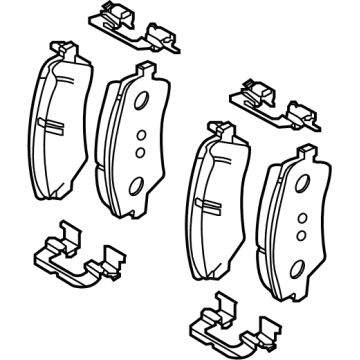

Hyundai Elantra Front Disc Brake Pad Kit
Part Number: 58101-AAA00$90.45 MSRP: $127.09You Save: $36.64 (29%)Ships in 1-2 Business Days
| Page 1 of 3 |Next >
1-20 of 43 Results
Hyundai Elantra Brake Pad Set
The Hyundai Elantra Brake Pad Set provides steady stopping power as it presses the friction material against the rotors to convert motion to heat. Each Brake Pad Set is a combination of a steel backing plate and a molded friction compound that will stand up to temperatures of up to about 400 degrees Fahrenheit in everyday driving but will hold firm even when spikes get higher. Over the years, the Elantra has made use of several different brake pad formulas, including semi-metallic formulations that are well known for their durability, non-metallic formulations that drive quietly, and ceramic formulations that are fade and dust resistant. Which Brake Pad Set to buy depends on if you are cruising calmly or pushing the car harder. Regardless of type, built-in wear signals or electronic sensors alert drivers when lining thickness approaches the factory minimum to signal time for a new Hyundai Elantra Brake Pad Set before rotor damage or longer stops occur. Routine checks roughly every 50,000 miles ensure that the hydraulic disc system is kept in good health, and replacing a worn Hyundai Brake Pad Set will restore the balanced feel the vehicle was designed to offer. Doing so protects both Hyundai owners and their Elantra from fade during sudden stops.
If you are looking for affordable high-quality OEM Hyundai Elantra Brake Pad Set, then you have come to the prime place. Our website provides a large amount of genuine Hyundai Elantra Brake Pad Set at unbeatable prices. All our parts come backed with the manufacturer's warranty.
Hyundai Elantra Brake Pad Set Parts Questions & Experts Answers
- Q:How to Replace and Inspecting a Brake Pad Set on Hyundai Elantra?Posted by Thamer A.A:Attach this procedure to front and rear factory disc brake systems. First, unscrew the cap of the brake fluid container; then, unscrew the wheel lug nuts; lift the vehicle and support on jackstands. Take off the wheels, now you should disassemble the brake in turns, comparing with the assembled one if it is necessary. Check out the Brake Disc to see if it needs honing;, if so then remove it to view the calipers and pads. To disassemble front pads, it is necessary to pull the piston backwards into the bore by applying pressure with a C-clamp; when doing this, the master cylinder fluid should not overflow. Clean the disc, caliper, and brake pads using brake system cleaner and unbolt the caliper mounting bolt to lift the caliper. Take off the anti-rattle springs, outer brake pad, the inner brake pad, and examine the pad retainer clips; if they do not interference tightly then insert the new one. Slather high temp grease on the retainer and anti squeal on the back of the pads before fitting the new inner and outer pads, Look that the retainers engage well on the clips. Lubricate and apply grease to the caliper pin and then take the caliper down over the new pad, and tighten the mounting bolt. In removing rear pads, clean the brake assembly with brake system cleaner and if there is a need, also remove the center console and of the Parking Brake Cable for additional length. First, the parking brake cable should be disconnected with the bracket, the caliper assembly has to be removed and after that, it is necessary to use special tool and rotate the caliper piston in order to achieve necessary amount of clearance. Take anti-squeal compound and apply it on the back plates of new pads, fix the new pads, then lower the Caliper into place and secure it with mounting bolts before re-connecting the parking brake cable. Last, the wheel & lugs nuts must be fitted then the car must be lowered and the lugs nuts finally tightened. Press the Brake Pedal and release it several times to get proper contact with the brake disks, check the level of the brake fluid and if it is low then add the brake fluid. Perform brake tests on closed roads to avoid testing the brakes when you are in traffic.Answered by Hyundai Parts Specialist Kevin / Feb 20, 2026
Related Hyundai Elantra Parts
 Hyundai Elantra Brake Disc
 Hyundai Elantra Brake Caliper
 Hyundai Elantra Brake Proportioning Valve
 Hyundai Elantra Brake Fluid Pump
 Hyundai Elantra Brake Drum
 Hyundai Elantra Wheel Cylinder
 Hyundai Elantra Brake Pedal
 Hyundai Elantra Brake Shoe
 Hyundai Elantra Parking Brake Shoe
 Hyundai Elantra Master Cylinder Repair Kit
Browse by Year
2026 Brake Pad Set 2025 Brake Pad Set 2024 Brake Pad Set 2023 Brake Pad Set 2022 Brake Pad Set 2021 Brake Pad Set 2020 Brake Pad Set 2019 Brake Pad Set 2018 Brake Pad Set 2017 Brake Pad Set 2016 Brake Pad Set 2015 Brake Pad Set 2014 Brake Pad Set 2013 Brake Pad Set 2012 Brake Pad Set 2011 Brake Pad Set 2010 Brake Pad Set 2009 Brake Pad Set 2008 Brake Pad Set 2007 Brake Pad Set 2006 Brake Pad Set 2005 Brake Pad Set 2004 Brake Pad Set 2003 Brake Pad Set 2002 Brake Pad Set 2001 Brake Pad Set 2000 Brake Pad Set 1999 Brake Pad Set 1998 Brake Pad Set 1997 Brake Pad Set 1996 Brake Pad Set 1995 Brake Pad Set 1994 Brake Pad Set 1993 Brake Pad Set 1992 Brake Pad Set 1991 Brake Pad Set