×
- Hello
- Login or Register
- Quick Links
- Live Chat
- Track Order
- Parts Availability
- RMA
- Help Center
- Contact Us
- Shop for
- Hyundai Parts
- Hyundai Accessories


My Garage
My Account
Cart
Genuine Hyundai Sonata Crankshaft Position Sensor
Engine Crankshaft Position Sensor- Select Vehicle by Model
- Select Vehicle by VIN
Select Vehicle by Model
orMake
Model
Year
Select Vehicle by VIN
For the most accurate results, select vehicle by your VIN (Vehicle Identification Number).
16 Crankshaft Position Sensors found
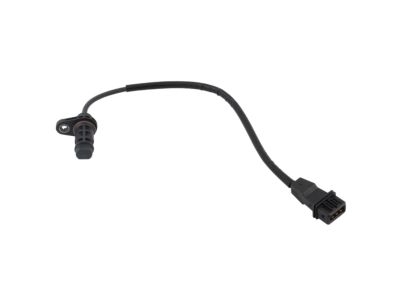
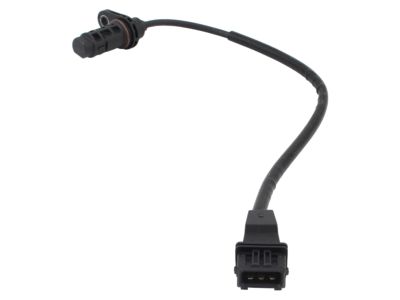
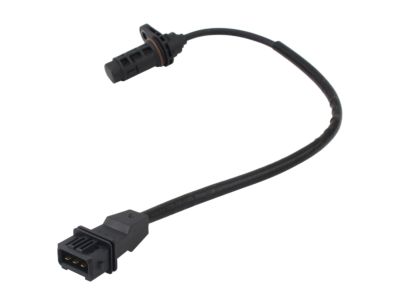
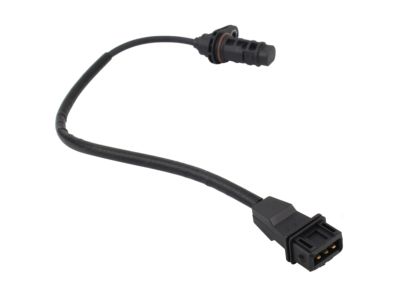
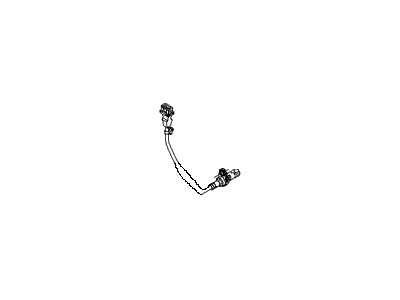

Hyundai Sonata Crankshaft Position Sensor
Part Number: 39180-25300$193.02 MSRP: $271.19You Save: $78.17 (29%)Ships in 1-3 Business Days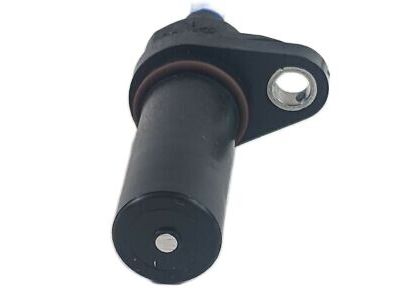
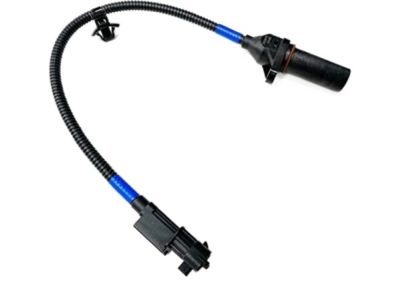
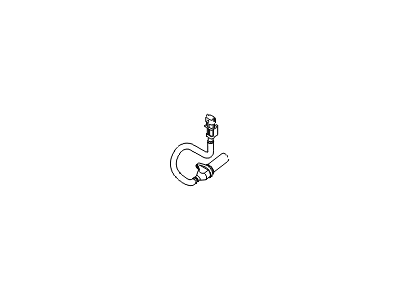

Hyundai Sonata Crankshaft Position Sensor
Part Number: 39180-2B030$160.01 MSRP: $224.81You Save: $64.80 (29%)Ships in 1-3 Business Days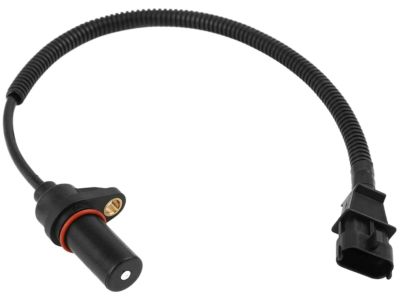
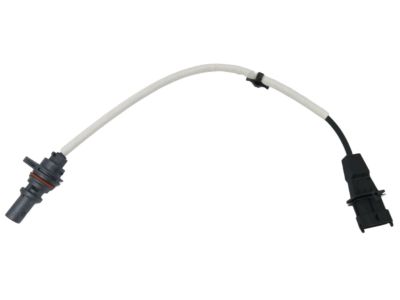
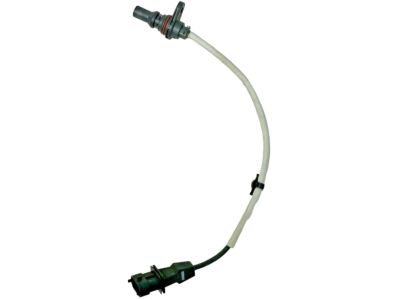
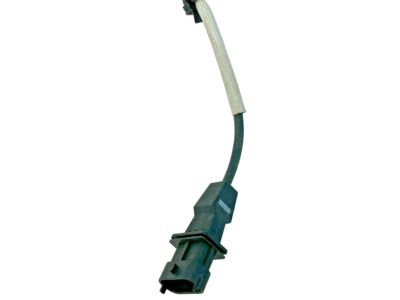
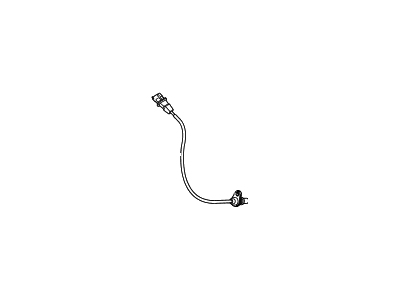
Hyundai Sonata Crankshaft Position Sensor
Part Number: 39180-2G000$154.68 MSRP: $217.32You Save: $62.64 (29%)Ships in 1-3 Business Days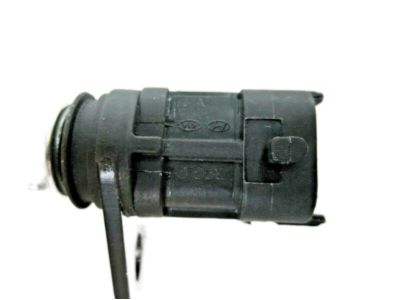
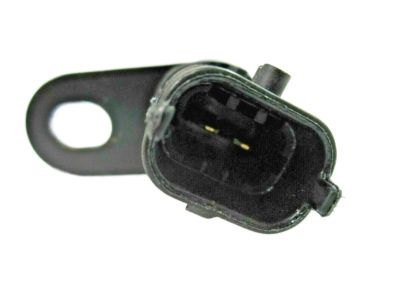
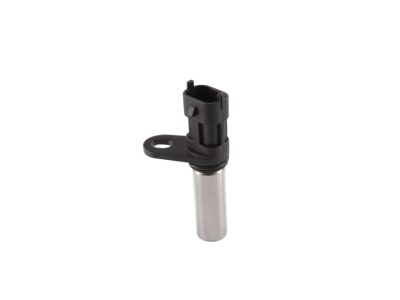
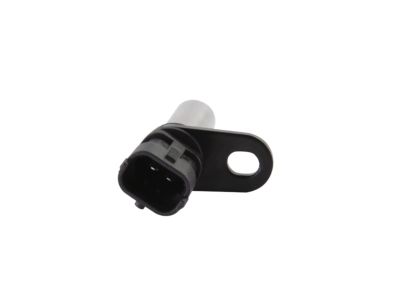
Hyundai Sonata Sensor-Crankshaft Angle
Part Number: 39310-3C100$138.91 MSRP: $195.16You Save: $56.25 (29%)Ships in 1-3 Business Days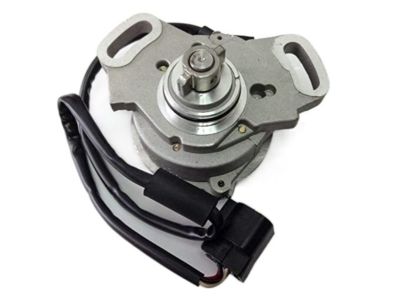
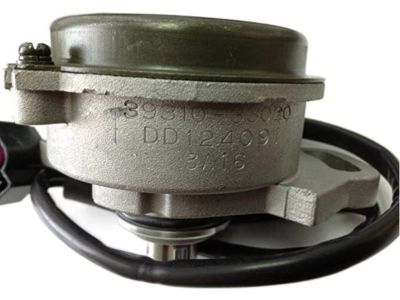
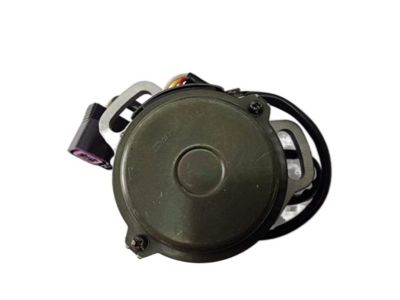
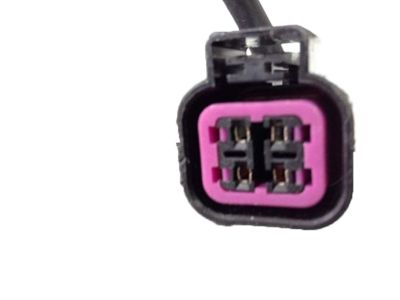

Hyundai Sonata Sensor-Crankshaft Angle
Part Number: 39310-33020$313.21 MSRP: $440.05You Save: $126.84 (29%)Ships in 1-3 Business Days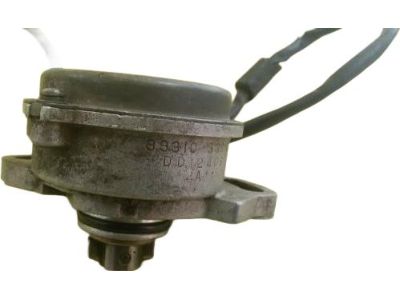
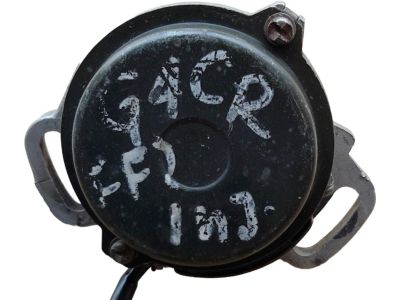
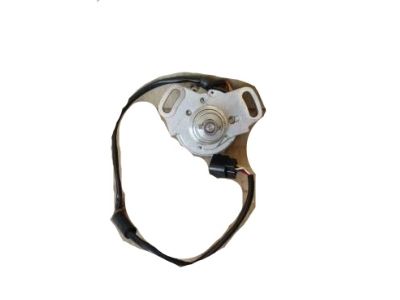
Hyundai Sonata Sensor-Crankshaft Angle
Part Number: 39310-33010$305.16 MSRP: $428.74You Save: $123.58 (29%)Ships in 1-3 Business Days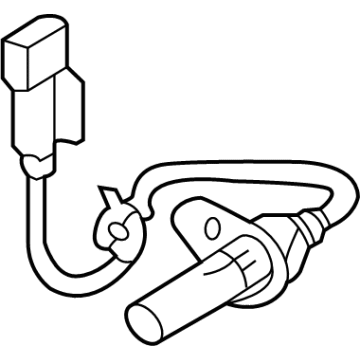

Hyundai Sonata Crankshaft Position Sensor
Part Number: 39180-2M612$122.76 MSRP: $172.47You Save: $49.71 (29%)Ships in 1-3 Business Days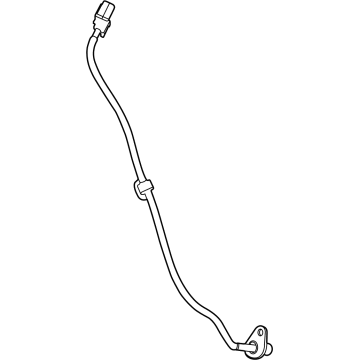

Hyundai Sonata Crankshaft Position Sensor
Part Number: 39180-2S000$59.99 MSRP: $84.29You Save: $24.30 (29%)Ships in 1-3 Business DaysHyundai Sonata Sensor-Crankshaft Angle
Part Number: 39310-33340$311.67 MSRP: $437.89You Save: $126.22 (29%)Ships in 1-3 Business Days
Hyundai Sonata Crankshaft Position Sensor
Part Number: 39180-2S200$57.66 MSRP: $81.02You Save: $23.36 (29%)Ships in 1-3 Business DaysHyundai Sonata Crankshaft Position Sensor
Part Number: 39180-25200$193.02 MSRP: $271.19You Save: $78.17 (29%)Ships in 1-3 Business DaysHyundai Sonata Sensor-Crankshaft Angle
Part Number: 39310-35350$219.25 MSRP: $308.03You Save: $88.78 (29%)Ships in 1-3 Business Days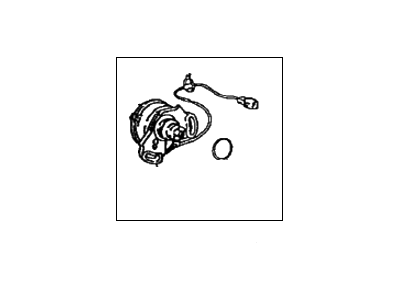

Hyundai Sonata Sensor-Crankshaft Angle
Part Number: 39310-33110$305.16 MSRP: $428.74You Save: $123.58 (29%)Ships in 1-3 Business Days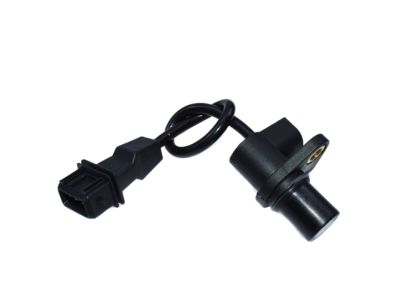
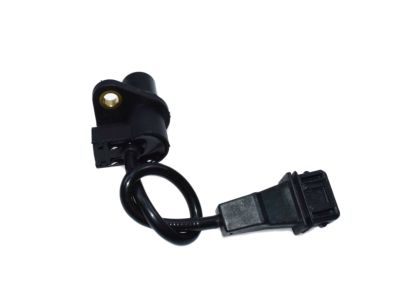
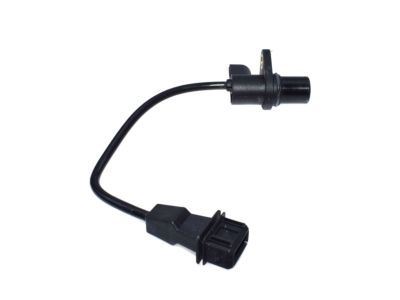
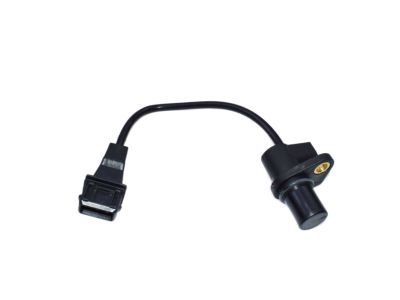

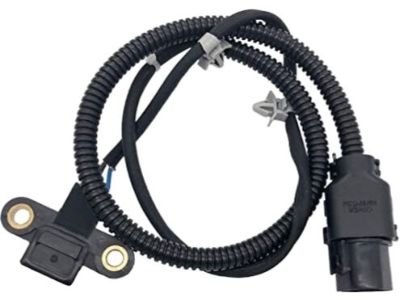
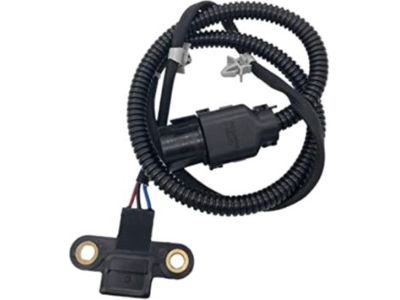

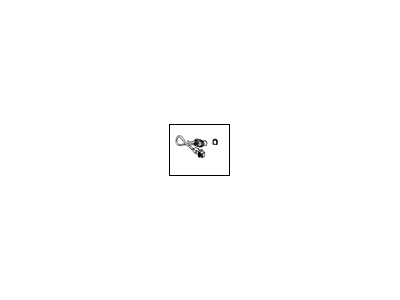

Hyundai Sonata Crankshaft Position Sensor
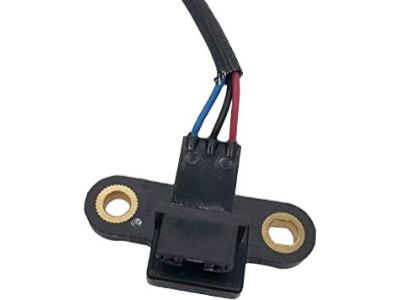
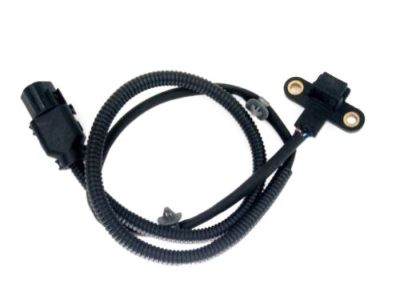
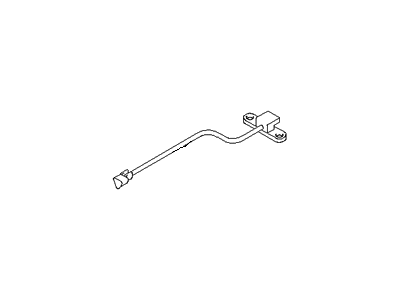
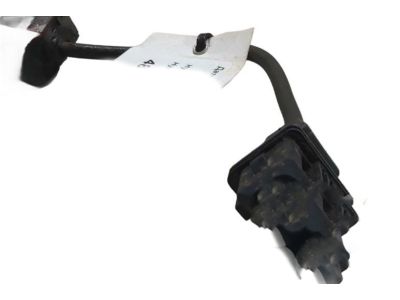
The Crankshaft Position Sensor of the Hyundai Sonata acts as the timing monitor of an engine, sending real-time crank angle and speed data to the powertrain computer so spark and fuel happen at the right time. If the Crankshaft Position Sensor fails, the ECU loses its roadmap completely, which will lead to hard starts, stalling, misfiring, and sluggish acceleration. Located near the crank pulley or flywheel, the Crankshaft Position Sensor registers the passing teeth of a reluctor ring and converts the movement to electrical pulses for the ECU to interpret for accurate RPM and position data. Older inductive versions found on early Hyundai Sonata models create their own AC signal. Newer Hall effect and magnetoresistive designs are standard on later Hyundai Sonata generations. They require a power supply but provide a sharper response at low crank speeds. Plus, they can read a stationary crank. As perfect optical units exist, people very rarely notice them in the brand's products due to dust and oil clouding their light beam. The main areas in which Crankshaft Position Sensors differ are the type of signal, sensitivity, and resilience to heat and vibration. Nevertheless, all of them strive to synchronize injection and ignition. When a Crankshaft Position Sensor fails on a Hyundai Sonata, it quickly deteriorates drivability. The Crankshaft Position Sensor's role is crucial for optimal engine performance.
If you are looking for affordable high-quality OEM Hyundai Sonata Crankshaft Position Sensor, then you have come to the prime place. Our website provides a large amount of genuine Hyundai Sonata Crankshaft Position Sensor at unbeatable prices. All our parts come backed with the manufacturer's warranty.
Hyundai Sonata Crankshaft Position Sensor Parts Questions & Experts Answers
- Q:How to replace the Crankshaft Position Sensor on Hyundai Sonata?Posted by Rodolfo O.A:For four-cylinder models from 1999 through 2005, the CKP sensor is located on the front of the engine, behind the timing belt cover, next to the crankshaft sprocket. Begin by disconnecting the cable from the negative battery terminal, then remove the lower timing belt cover. Next, disconnect the sensor wiring harness, remove the two mounting bolts, and lift the sensor off. Installation follows the reverse order of removal. For all other models, the sensor is mounted near the driver's side of the engine, close to the flywheel/driveplate, toward the rear. Start by removing the intake air duct and any other components that may interfere. If equipped, remove the shield fasteners and the shield. Disconnect the sensor wiring harness from its retainer and the connector, then remove the CKP sensor mounting bolt and the sensor itself. If reinstalling the same sensor, ensure the O-ring is in good condition, and installation is the reverse of removal.Answered by Hyundai Parts Specialist Allen / Feb 04, 2025

Related Hyundai Sonata Parts
 Hyundai Sonata Oxygen Sensor
 Hyundai Sonata Coolant Temperature Sensor
 Hyundai Sonata Camshaft Position Sensor
 Hyundai Sonata Throttle Position Sensor
 Hyundai Sonata MAP Sensor
 Hyundai Sonata Mass Air Flow Sensor
 Hyundai Sonata Knock Sensor
 Hyundai Sonata Parking Assist Distance Sensor
 Hyundai Sonata Yaw Sensor
Browse by Year
2026 Crankshaft Position Sensor 2025 Crankshaft Position Sensor 2024 Crankshaft Position Sensor 2023 Crankshaft Position Sensor 2022 Crankshaft Position Sensor 2021 Crankshaft Position Sensor 2020 Crankshaft Position Sensor 2019 Crankshaft Position Sensor 2018 Crankshaft Position Sensor 2017 Crankshaft Position Sensor 2016 Crankshaft Position Sensor 2015 Crankshaft Position Sensor 2014 Crankshaft Position Sensor 2013 Crankshaft Position Sensor 2012 Crankshaft Position Sensor 2011 Crankshaft Position Sensor 2010 Crankshaft Position Sensor 2009 Crankshaft Position Sensor 2008 Crankshaft Position Sensor 2007 Crankshaft Position Sensor 2006 Crankshaft Position Sensor 2005 Crankshaft Position Sensor 2004 Crankshaft Position Sensor 2003 Crankshaft Position Sensor 2002 Crankshaft Position Sensor 2001 Crankshaft Position Sensor 2000 Crankshaft Position Sensor 1999 Crankshaft Position Sensor 1998 Crankshaft Position Sensor 1997 Crankshaft Position Sensor 1996 Crankshaft Position Sensor 1995 Crankshaft Position Sensor 1994 Crankshaft Position Sensor 1993 Crankshaft Position Sensor 1992 Crankshaft Position Sensor 1991 Crankshaft Position Sensor 1990 Crankshaft Position Sensor 1989 Crankshaft Position Sensor 1988 Crankshaft Position Sensor